

Welcome to the Archello Podcast, architecture’s most visual podcast series. Listen as Archello's editors sit down with architects to discuss their careers and projects. Each audio episode is accompanied by a rich visual storyboard which listeners can use to follow the discussion.
Introducing Ma Yansong
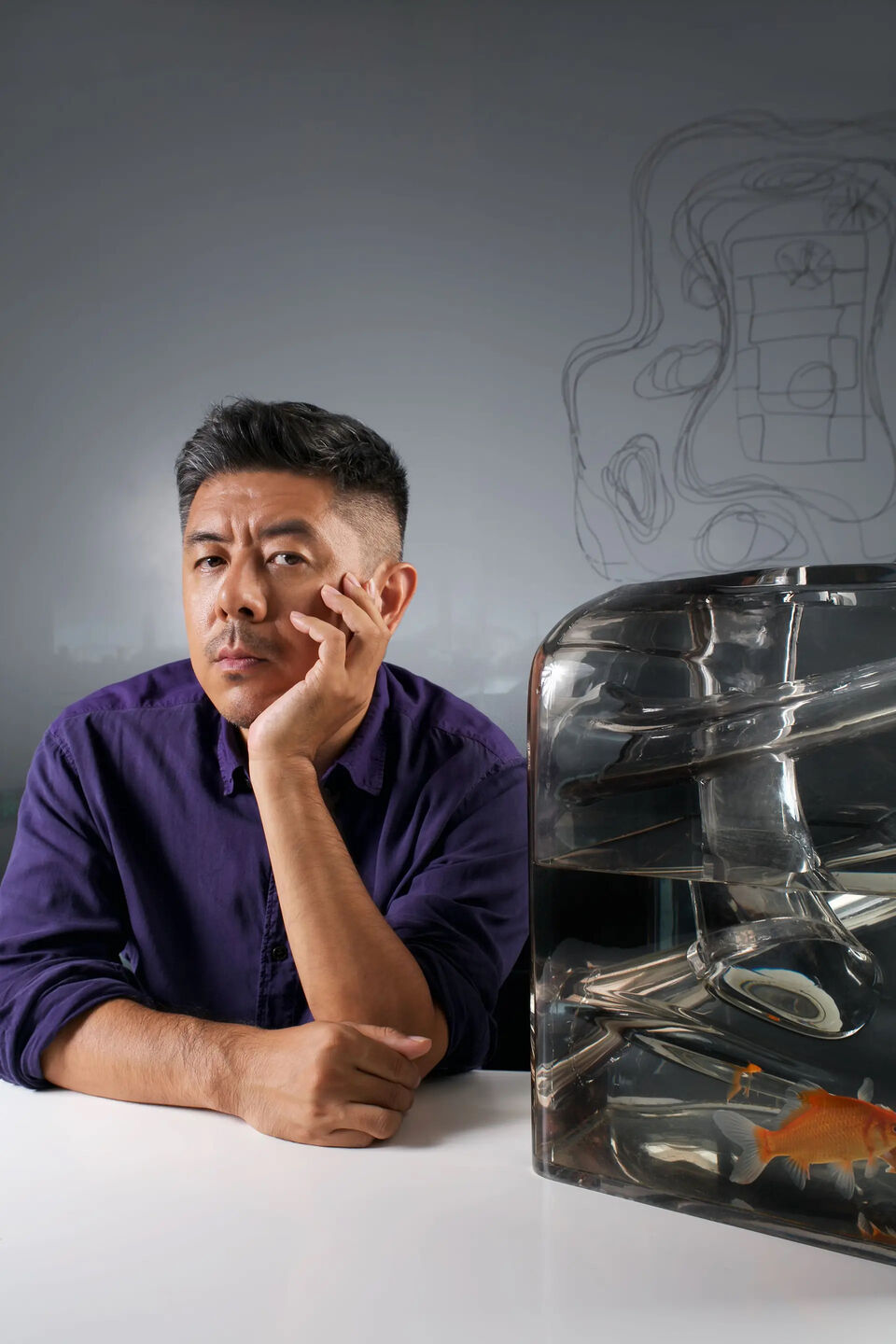
In this episode, Archello's Editor-at-large Michiel van Raaij speaks with Ma Yansong, founder and principal partner of Beijing-based MAD Architects, whose practice spans cultural, civic, and residential projects shaped by fluid forms, emotional resonance, and an ongoing dialogue between architecture, nature, and the city.
Yansong’s work explores how architecture can move beyond efficiency and object-making to create spaces that invite feeling, imagination, and public encounter, while remaining attentive to narrative, community, and the cultural meaning of place.
Listen and scroll as Yansong reflects on the opening of Rotterdam’s Fenix Museum, his approach to sketching and imperfection, the spatial ambitions behind projects such as Harbin Opera House, and the lasting influence of Beijing’s hutongs, offering insight into an architecture grounded in human experience, openness, and change.
On building a museum of migration in Rotterdam
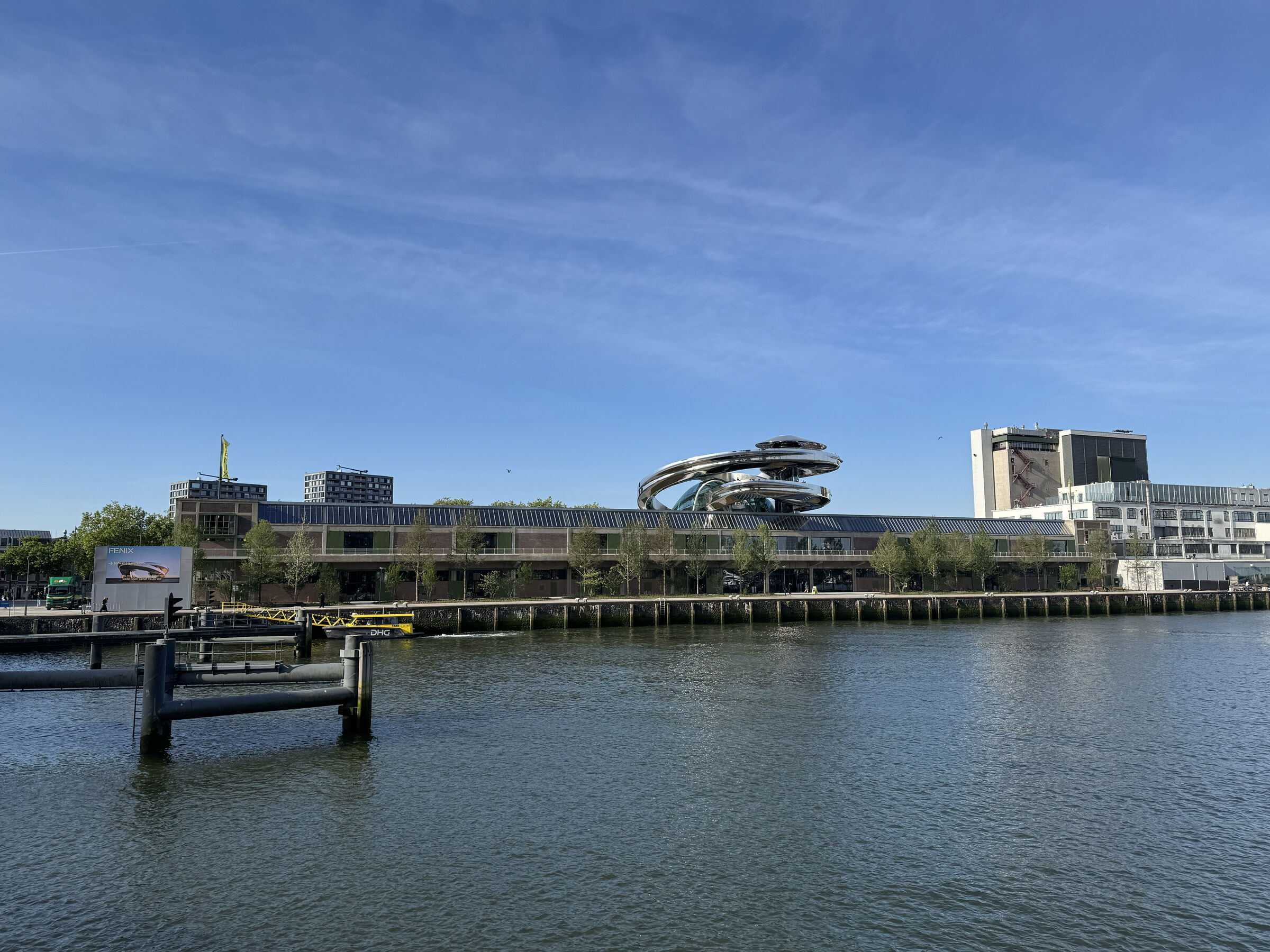
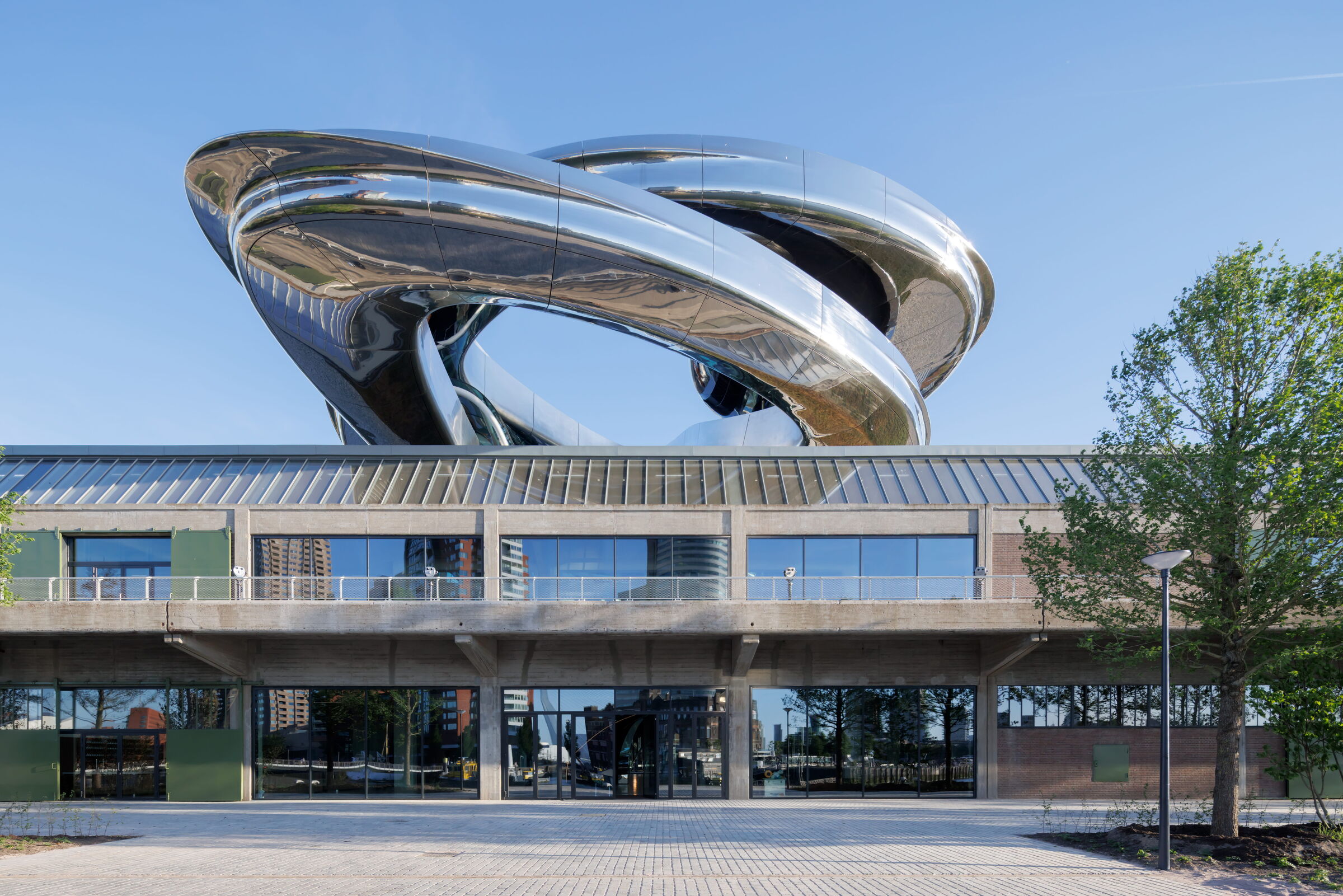
With the opening of the Fenix Museum and the exhibition at Rotterdam’s Nieuwe Instituut, Ma Yansong describes the Dutch project as both a professional milestone and a deeply meaningful cultural commission. He says he feels “very lucky” to be showing the work in Rotterdam, but also to have been able to realize a museum tied to such a resonant subject. For Yansong, the project’s significance lies not only in its architectural form, but in the fact that it is a museum about migration, a place shaped by narrative and human connection rather than by image alone.
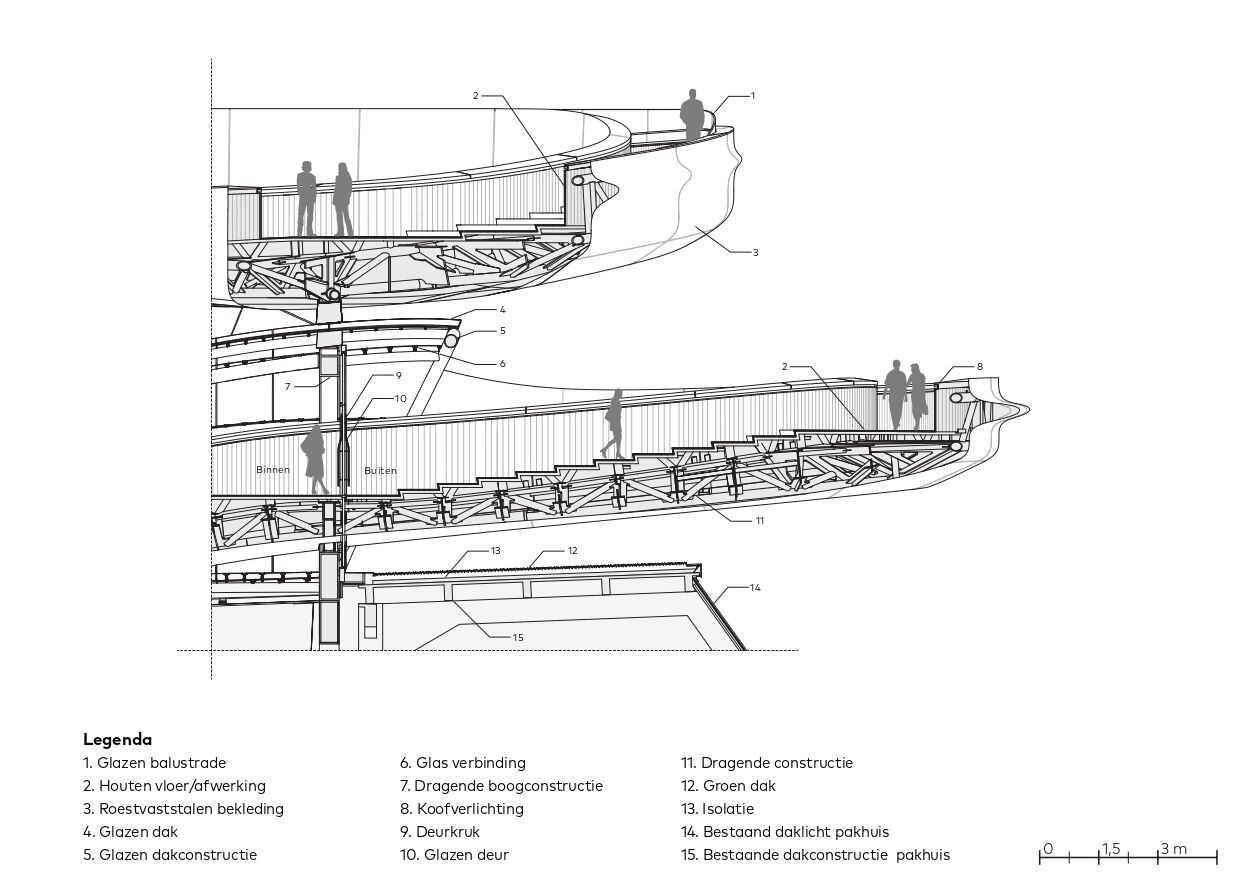
The project took around eight years, a timeline Yansong considers entirely normal for a cultural building of this scale. While the intervention may appear compact from the outside, he stresses that it is in fact a substantial museum inserted into a large warehouse in central Rotterdam. Just as important, he notes, was the need for all those involved to discover the institution’s identity as it developed. “At the very beginning, I don't think everyone was 100 percent clear what this is going to be,” he says. “We knew it was about migration, but what's museum for migration going to be?” What emerged through that long process was not just a building, but a shared understanding of what such a museum could be.
On the staircase becoming alive through people
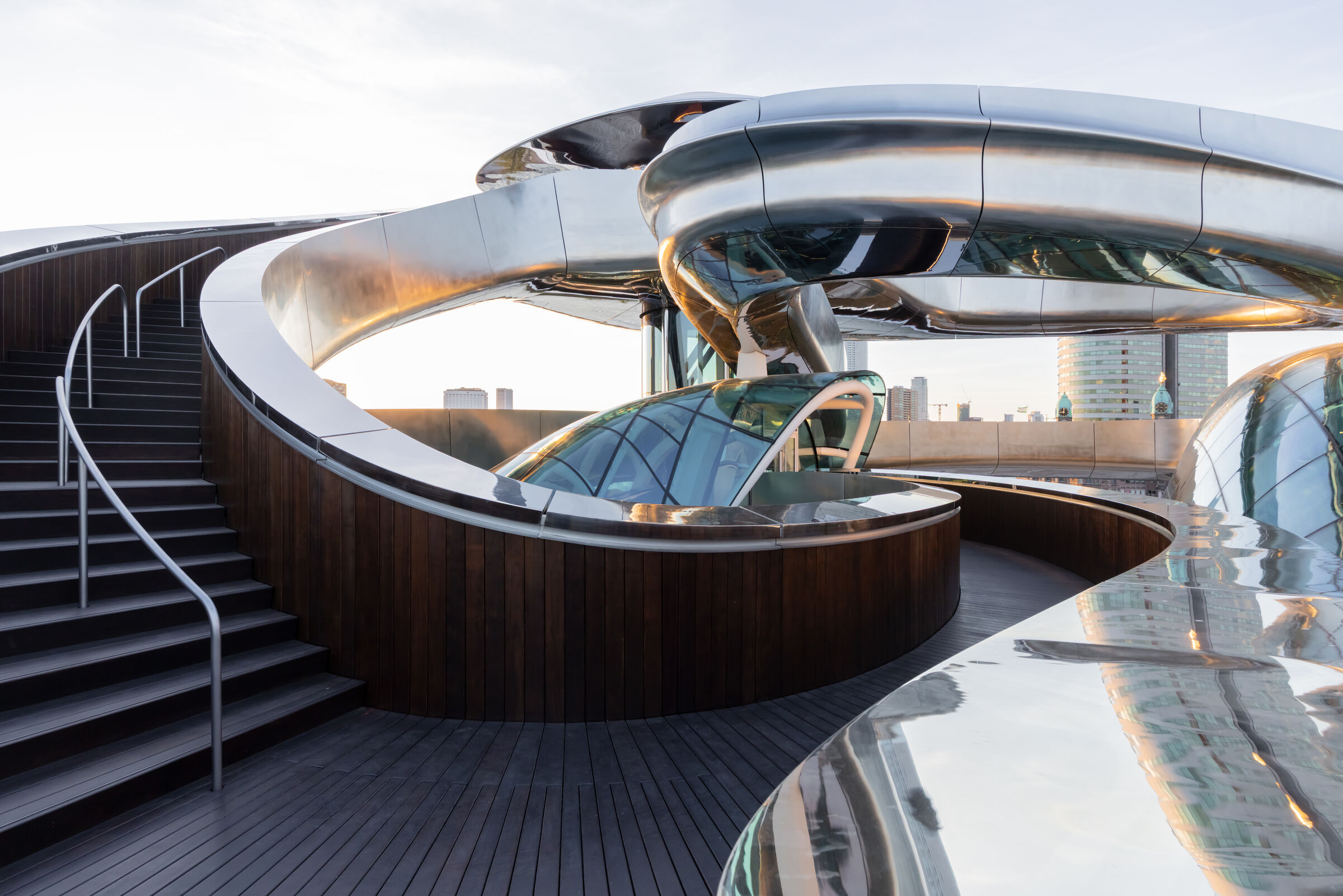
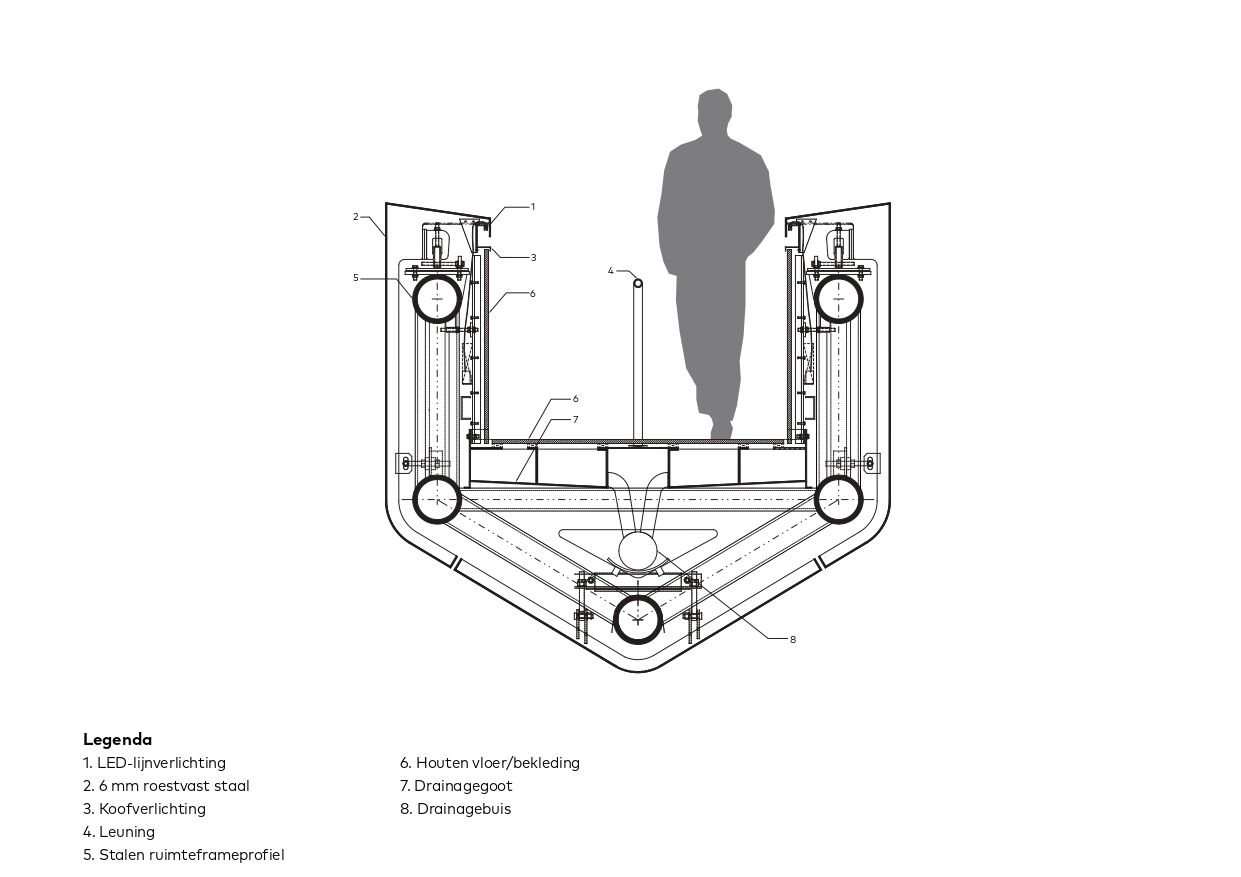
At the center of the museum is the swirling double stair, a continuous public route that cuts through the building and rises above the roofline. Yansong had imagined it for years, from the first sketch onward, yet the completed structure only became fully real once it was occupied. “Only when you see the people experience on this staircase,” he says, does the work become complete. Before that, it remained an abstraction composed of “the geometry, the technology, the material structure.” With visitors moving through it, slowing down, crossing paths, looking outward, and reacting to one another, the staircase shifts from object to lived space.
What moved him most at the opening was not the form itself, but the emotional life that unfolded within it. He describes standing in the crowd and watching people’s expressions, their encounters, and their differing responses as they moved between the public stair and the exhibitions. “With people, it becomes life,” he says. This is also how he defines architectural success more broadly. “Without people, it's not completed. It's cold. It's an object.” In Fenix, he sees visitors arrive with memories of the city already in mind, then move through a sequence of stories, views, and encounters that give the museum a richness no drawing could fully predict.
On sketches, imperfection, and emotional accuracy
For Yansong, architecture begins not with optimization but with emotion. He speaks of sketching as a fast and instinctive response to a place or idea, one that often cannot be fully explained even by the author himself. The first drawing for Fenix was, in his own telling, almost embarrassingly simple: “just a simple line, like horizontal warehouse with a tornado, like a really sketchy curved line in the middle.” People laughed when they saw it, he recalls, because it looked like “a very childish sketch.” Yet that impulsive drawing eventually became an extraordinarily complex architectural reality.
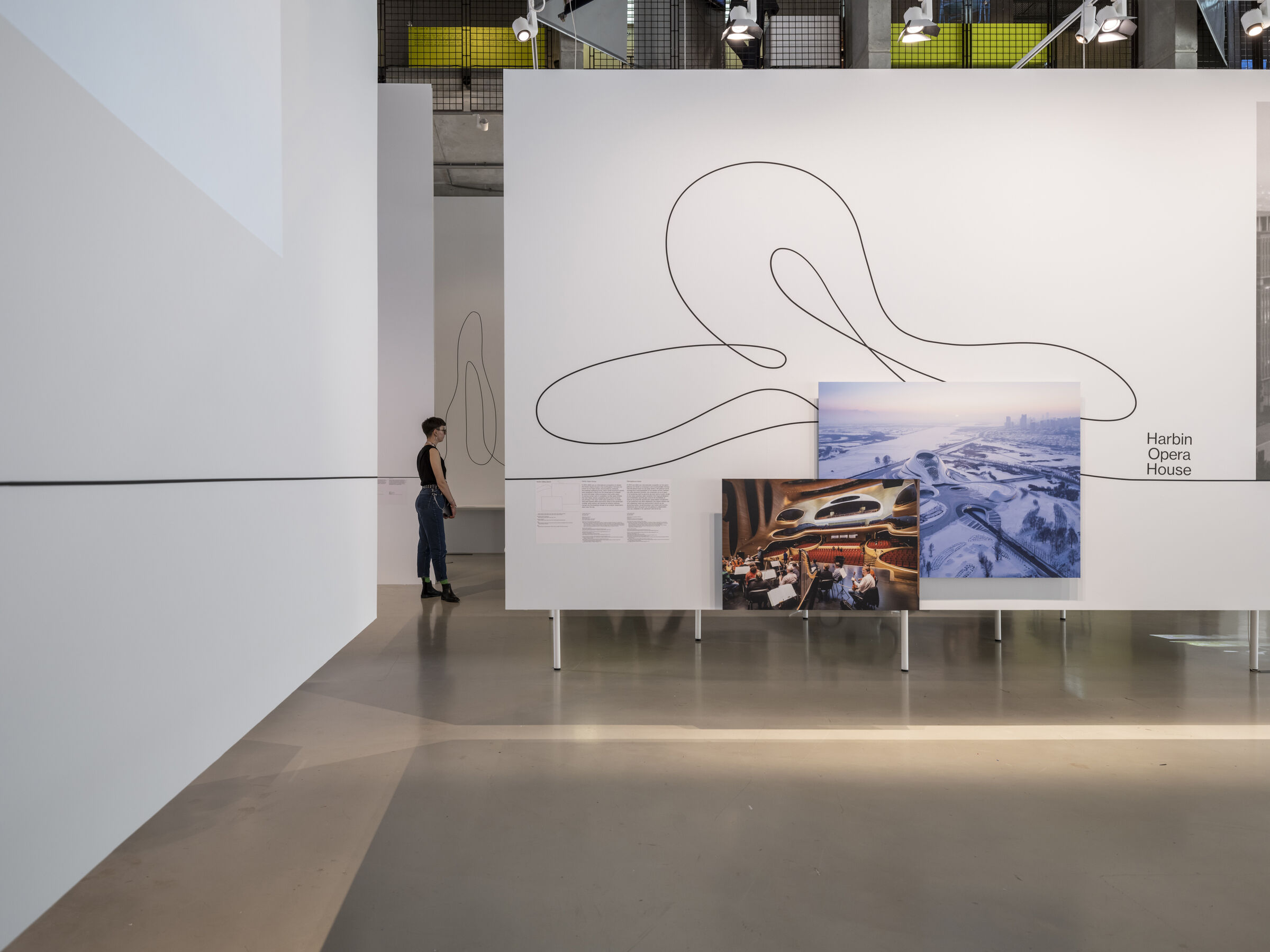
What matters to him is not refining away that first intuition, but translating it with as much fidelity as possible into built form. That does not mean ignoring feasibility, structure, or materials; rather, it means using them in service of preserving the emotional charge of the original line. In his view, the so-called imperfections embedded in a sketch are often the most human part of the design. “So-called imperfection is actually very human,” he says, and it is precisely this quality that allows visitors to feel something beyond technical accomplishment.
11:30
“I don't want to make it perfect. I don't want to correct my first sketch. I want to keep everything.”
- Ma Yansong
He contrasts this openness with architecture that appears too resolved from the outset. When something looks entirely correct or complete, he suggests, it leaves little room for curiosity. “When something looks too perfect, you don't need to go in there,” he says, because you already know what it will feel like. A sketch, by contrast, suggests an experience that remains uncertain and therefore inviting. For Yansong, architecture should preserve that sense of expectation and discovery, carrying the freedom of the first gesture all the way into the finished space.
On narrative, abstraction, and making architecture understandable
Yansong repeatedly returns to the idea that architecture must communicate with people beyond the profession. Public space, in his view, cannot remain mute or self-referential; it has to connect with visitors emotionally and culturally, regardless of their background. He admires the way museums frame narratives so that artworks become legible to broader audiences, and he believes architecture should do something similar. “I think that's important that architecture can tell stories,” he says. Through story, “a cold object can communicate with everyone.”
At the same time, he does not want narrative to become didactic. The challenge is to create enough clarity for people to enter the work, while leaving enough openness for them to imagine their own meanings. “It's not about telling everyone the same thing,” he says. If architecture becomes too abstract, it risks alienating people; if it becomes too fixed in its message, it closes down interpretation. What he values in Fenix is precisely the balance between those two conditions: a museum that offers stories belonging to many people, then invites each visitor to begin “your own story” in response.
This role, for him, is central to the cultural institution. It should not tell visitors what to think, nor should it retreat into inaccessible formalism. Instead, it should create a framework in which individual memories, associations, and reflections can emerge. He describes that condition as something like a stage: the architecture and curatorial content establish the setting, but each person must complete the experience for themselves.
On curves, nature, and resisting the machine
Although MAD’s work is often associated with curved forms, Yansong insists that this is not a rigid rule. He uses straight lines and boxes when appropriate, but finds that free lines give him greater freedom to express emotion. That preference is also tied to a broader critique of the modern environment. In the industrial era, he argues, architecture became dominated by efficiency, repetition, and functional logic. The famous modernist image of the dwelling as a machine remains, for him, fundamentally troubling. “Who wants to live in a machine?” he asks. “I don't like living in a machine.”
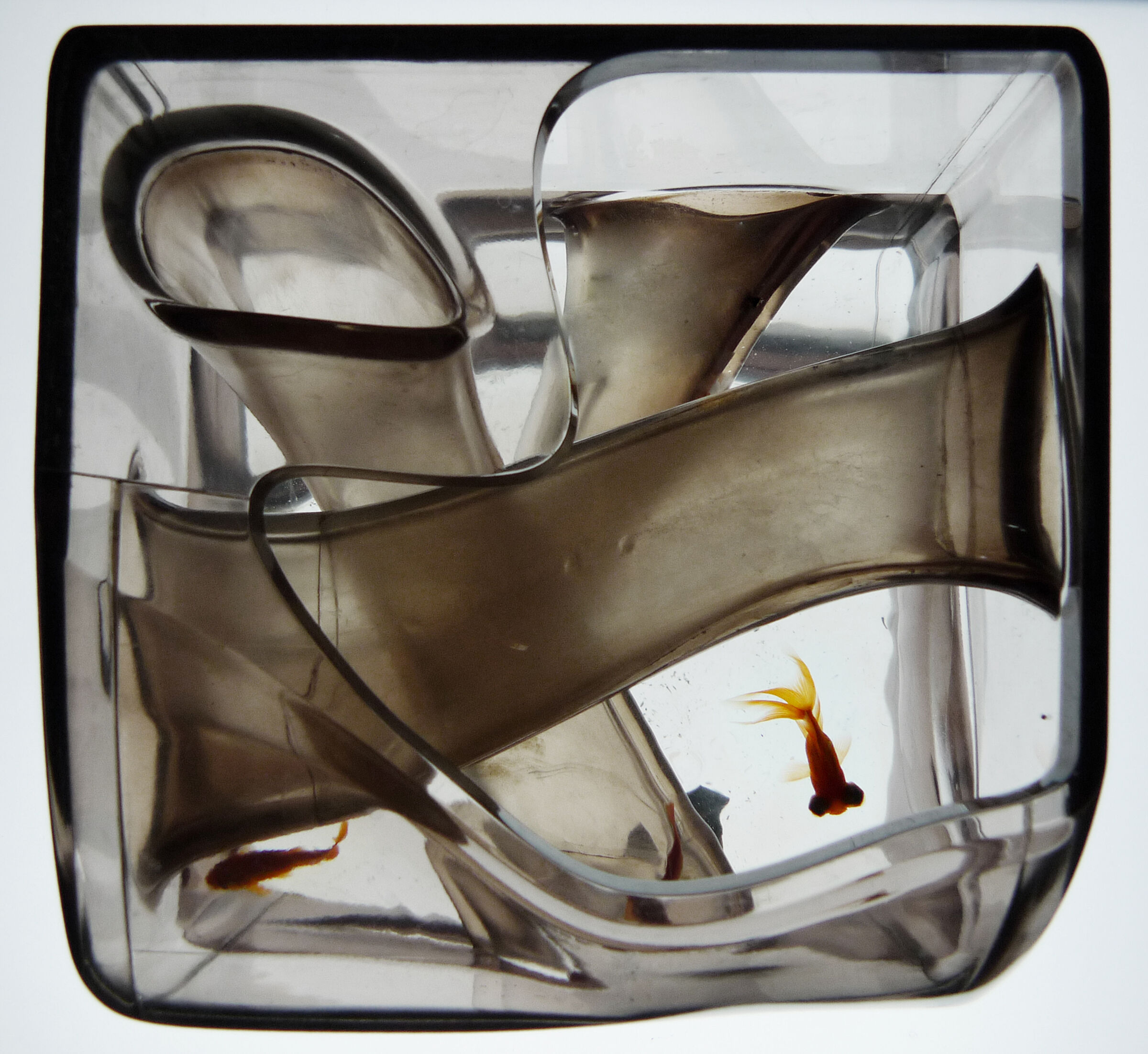
Against that legacy, he points to older spatial traditions in which life was understood as inseparable from landscape. He recalls courtyard houses, Chinese gardens, and Japanese gardens as examples of ways of living where buildings and nature formed a single composition. Technological progress may have improved comfort, but he doubts it has improved the experience of living. “Maybe closer to the nature was so important,” he says, “and that's totally missing in our modern buildings.” In that sense, his architecture is less about formal novelty than about recovering emotional and cultural conditions that industrial production has largely erased.
This argument also shapes his attitude toward artificial intelligence. He uses AI in the office and acknowledges its usefulness in production, regulation, and efficiency, but he draws a clear line between those tasks and the more human dimension of design. “There is another phase, similar to art, you create something for people,” he says, and that depends on “human's conversation, the judgement.” For Yansong, the risk is not that AI will make architecture more capable, but that it will separate buildings from the specific dreams, errors, and values of the people and time that produced them.
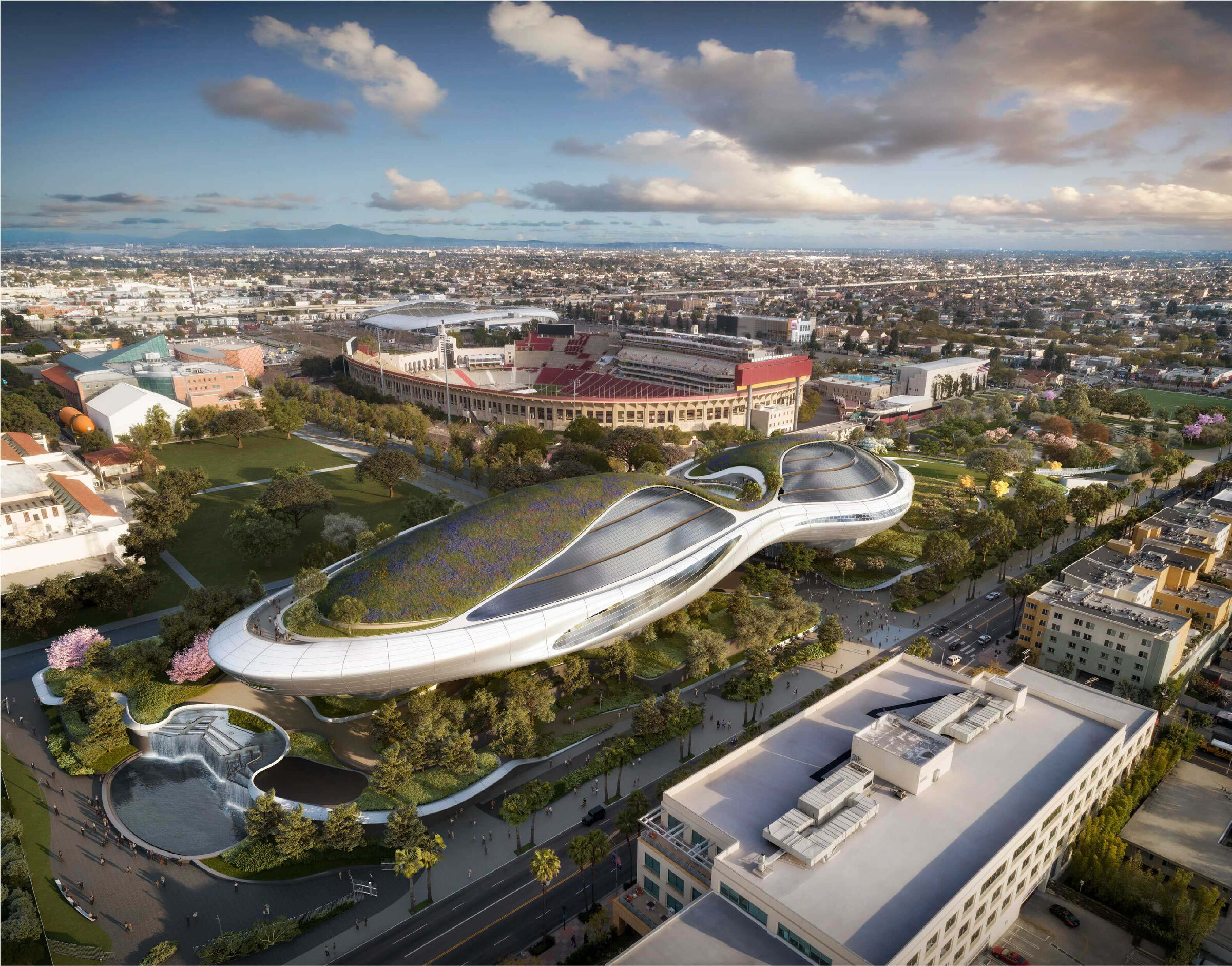
On the Dance House and cultural buildings for everyone
In addition to Fenix, Yansong is also working on the transformation of the adjacent warehouse into Danshuis, a new building for dance studios and performance. The project is focused primarily on the interior, with the possibility of adding a small theater in the garden behind. More than a technical reuse, however, he sees it as part of the same cultural ambition as the museum: creating a place that brings people together through art rather than setting art apart from everyday life.
Dance interests him especially because of its collective and accessible nature. He compares the program to the phenomenon of public group dancing in China, where people of different ages gather in squares after dinner to dance together. “They're so happy,” he says, describing it as both exercise and a social ritual. That spirit of openness, in which movement becomes a shared activity rather than a specialist performance, is what he hopes the Rotterdam project can support as well.
He explicitly contrasts this ambition with the model of the “international style contemporary art museum,” which can sometimes project exclusivity or distance. “We're trying to do something opposite to that,” he says. The goal is not to make art feel elevated beyond ordinary life, but to make cultural space feel collective, welcoming, and socially active. In that respect, Fenix and Danshuis are part of the same project: institutions rooted in community rather than prestige.
On travel, diverse teams, and adapting architecture to place
Asked how a globally active practice sustains creativity across different building types and locations, Yansong describes travel itself as one of his main sources of inspiration. He did not pursue international work simply as a business strategy; in fact, he suggests it would have been easier to remain within China. Instead, he values architecture precisely because it can emerge from specific places and stories. “Meeting people from different places is really inspiring,” he says, and those encounters have become inseparable from both his professional and personal life.
Rotterdam, for example, gave him not just a commission but access to histories of migration, local conversations, and a different understanding of the city. He describes writing and thinking while moving between places, and sees exchanges with artists, writers, and others outside architecture as vital to the studio’s culture. That openness also extends to the team itself. Many young designers are drawn to the office because they want to “bring something new” to architecture, and the studio is open even to people without formal architectural training if they can contribute new energy and ambition.
This sensitivity to place also explains why MAD does not pursue the same relationship between structure and form in every project. Yansong says the office remains flexible, since each project depends on local construction capacity, budget, and context. In some cases, pursuing an overly complex tectonic resolution would simply create problems on site. What matters more is the overall spatial effect. “What people see is a light and how the space responding to the light,” he says. Architecture, in that sense, is “the boundary” that shapes experience, not an end in itself.
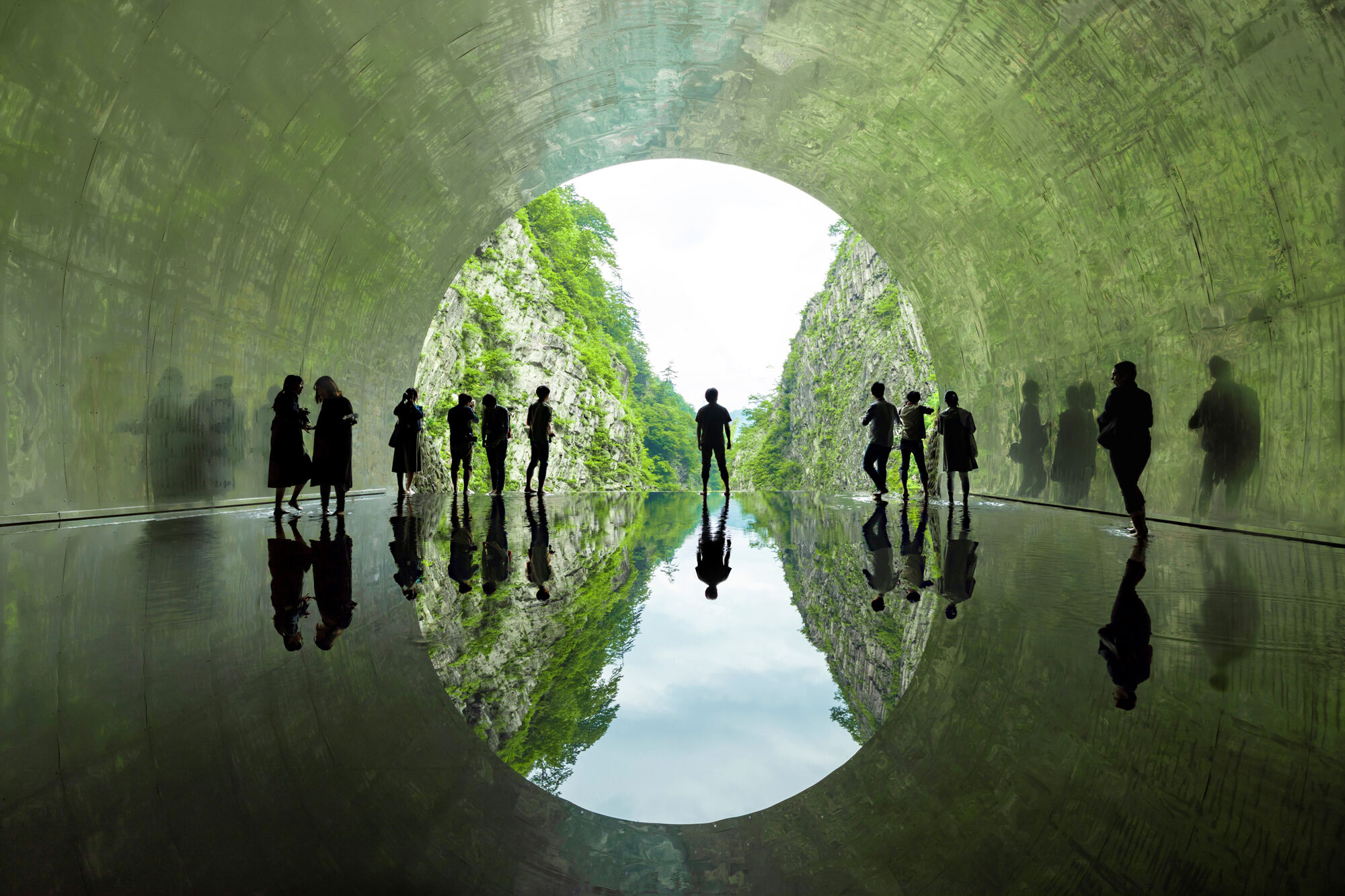
On dematerialized space, Harbin, and learning from Gaudí and Niemeyer
Yansong acknowledges that some observers describe his work as a kind of dematerialized architecture, and the phrase seems close to how he sees it himself. He is attentive to materials, but often tries to prevent them from dominating the reading of the space. “If I use concrete, I want it to be just concrete,” he says; if he uses wood, he wants its warmth and softness, not a flood of historical associations with other buildings. This is why he tends toward materials that are “simple and clean and abstract,” allowing space and atmosphere to remain primary.
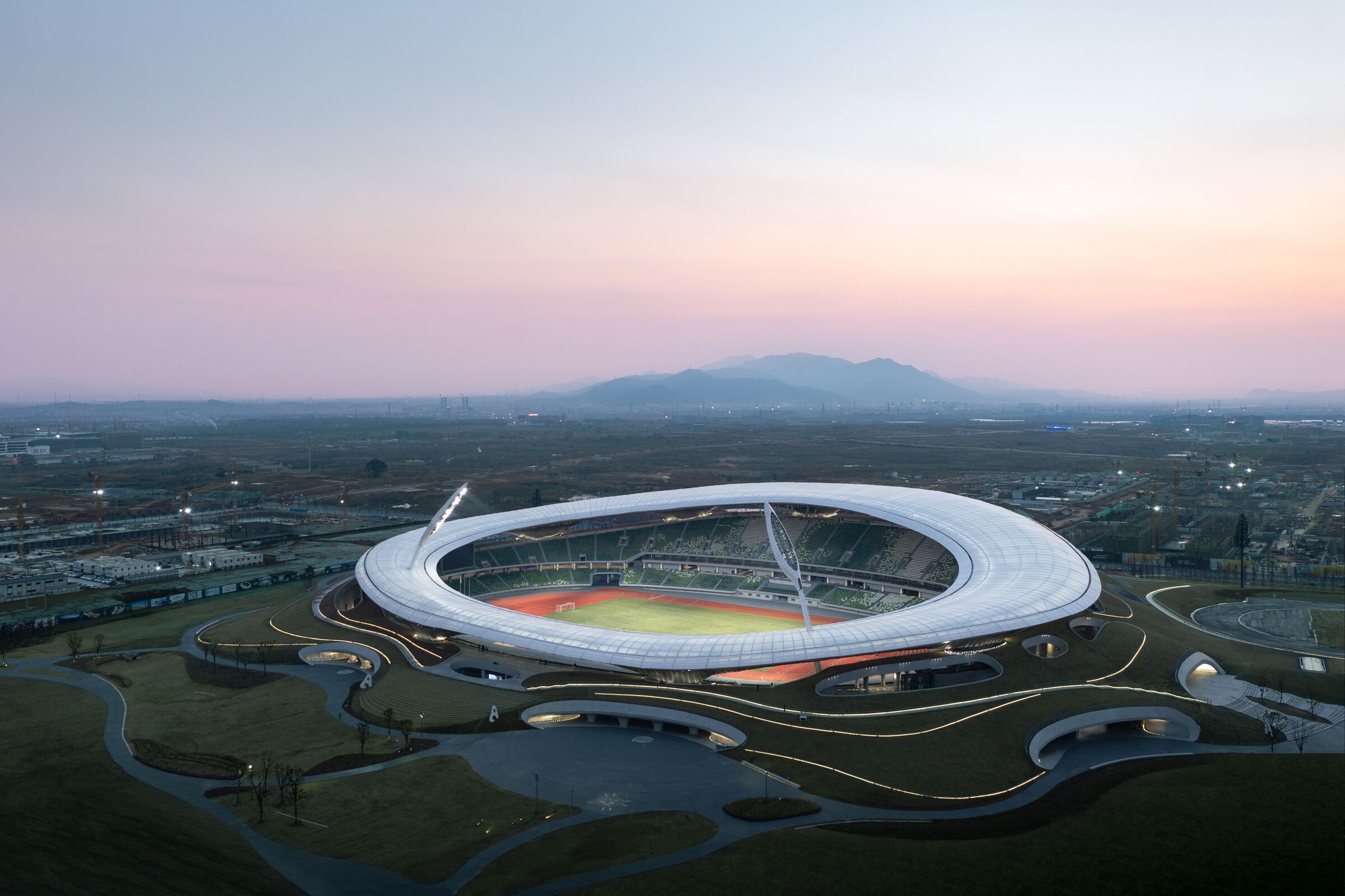
That approach was tested at great scale in the Harbin Opera House, a project whose realization was technically difficult when it began. Digital modeling was not the major challenge; construction and detailing were. The office had to figure out how to assemble complex metal panels while preserving a continuous white surface, even in a harsh and polluted climate. Looking back, Yansong sees the building as successful, but he also reflects critically on its beauty. “Sometimes I think is it too beautiful,” he says. He worries that architecture should do more than please; it should provoke, engage, and continue yielding something meaningful decades later.
His admiration for Antoni Gaudí and Oscar Niemeyer follows a similar line. What he values in them is not style alone, but the freedom with which they drew from nature and from sculpture, refusing an architecture that becomes merely functional or cold. “I think architecture should be sensitive,” he says. He also expresses an interest in color, even while acknowledging how hard it is to use well. More broadly, he is drawn to architecture as a total art form, capable of bringing together sculpture, atmosphere, surface, and bodily sensation into a single experience.
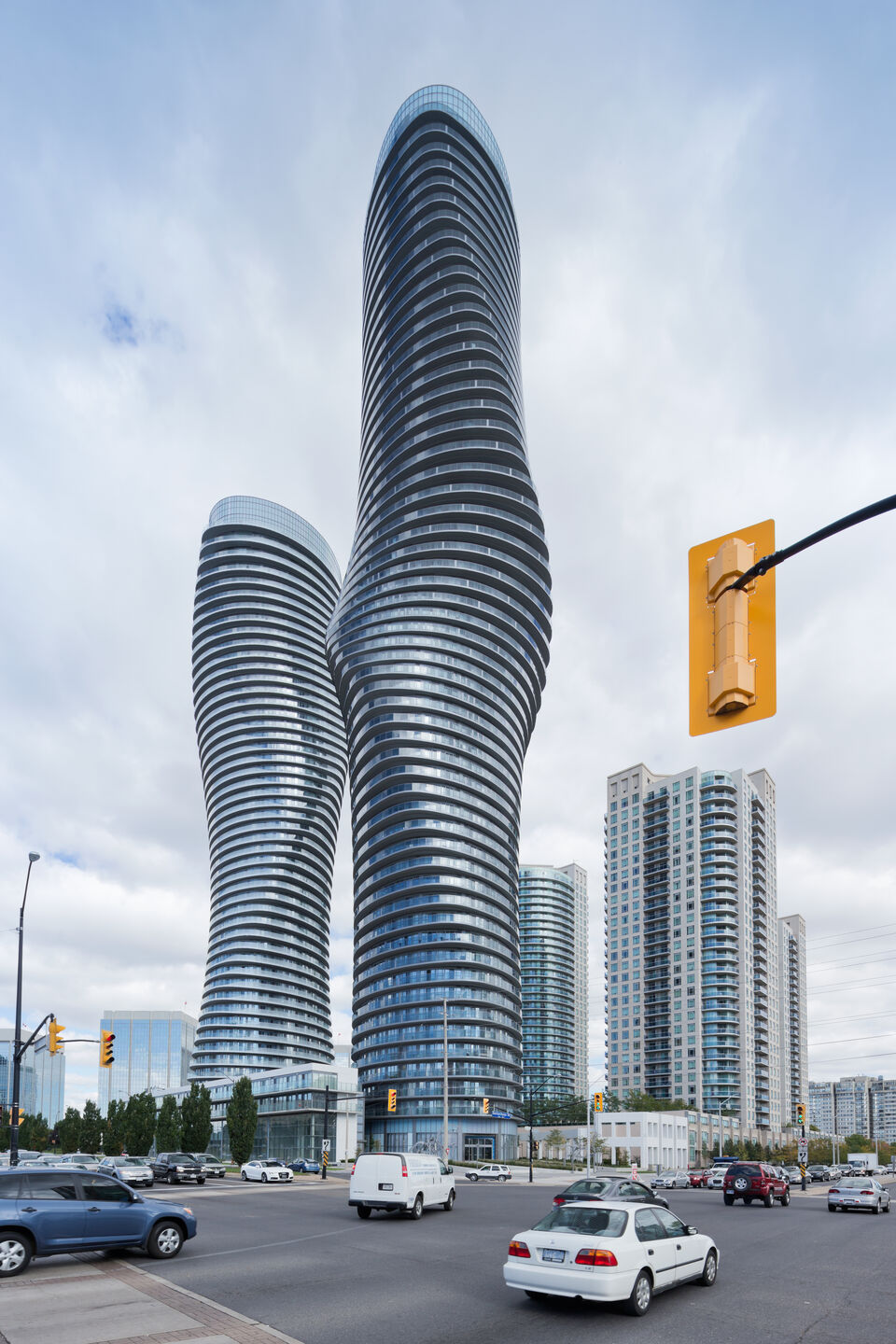
On growing up in the hutongs and what cities should preserve
Yansong’s thinking about nature, community, and interior worlds is rooted in his childhood in Beijing’s hutongs. He recalls the old saying, “if you don't get beaten within three days, you will go up to the roof,” a joke about mischievous children climbing above the courtyard walls and crossing into neighboring homes. The spatial logic of the traditional courtyard house, he explains, is paradoxical: it gives a family privacy, enclosure, and “your own sky,” but that same enclosure also creates a desire to climb, to cross, and to connect.
What he values in that environment is not nostalgia for a style, but a distinct relationship between architecture and nature. In a courtyard house, rooms face inward toward a curated landscape that becomes an extension of life. He contrasts this with the detached house in the United States, where the building often sits as an object in the middle of a surrounding garden. In the Chinese tradition, by contrast, people look into a constructed world of stone, planting, shadow, and seasonal change. That experience shaped him early on. “I saw the nature was more important than building,” he says of his student years, tracing the roots of a position that has remained constant.
When discussing the preservation of the hutongs today, he is careful not to romanticize official intervention. Their beauty, he argues, came from a bottom-up urban fabric formed by families over time, not from top-down planning. “It has to respect the life, the neighborhood behind the building,” he says. Rather than turning the hutongs into museums, he argues for providing basic modern infrastructure so that people can continue to live there. His own Hutong Bubble project, a reflective curved toilet inserted into a courtyard, was conceived in exactly those terms: a small intervention that supports daily life without erasing the social fabric that gives the neighborhood meaning.
On housing, community, and the future city
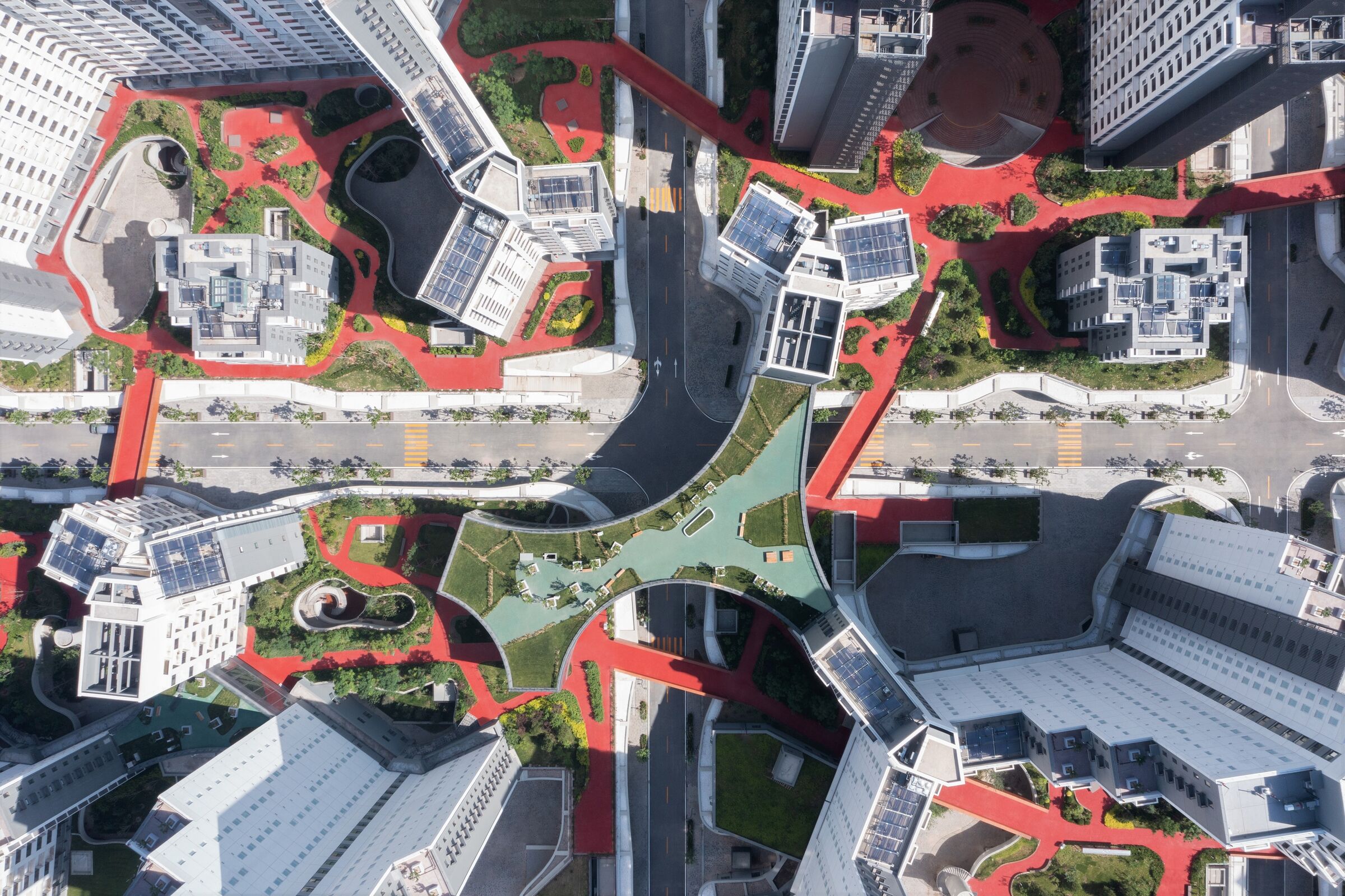
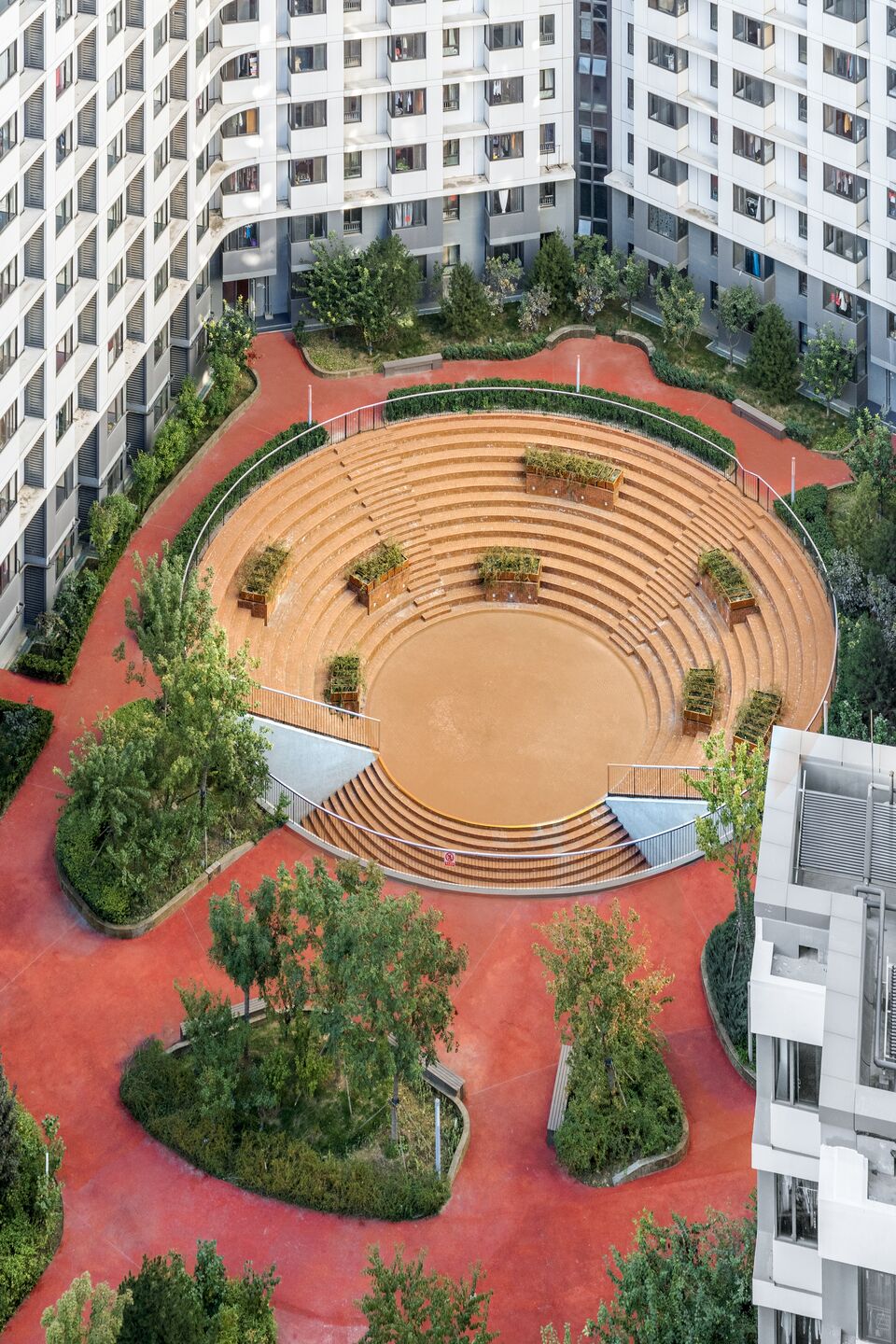
From the hutongs, Yansong moves to one of the largest questions in contemporary urbanism: how to bring community and nature into the high-density housing that now dominates Chinese cities. He criticizes the logic of gated residential compounds, which are often designed to separate social groups and maximize real-estate value rather than support collective life. What is lost, he suggests, is precisely the culture of the neighbor. In the traditional city, daily life required people to negotiate difference and coexist closely; in the tower, people retreat into units, elevators, and phones.
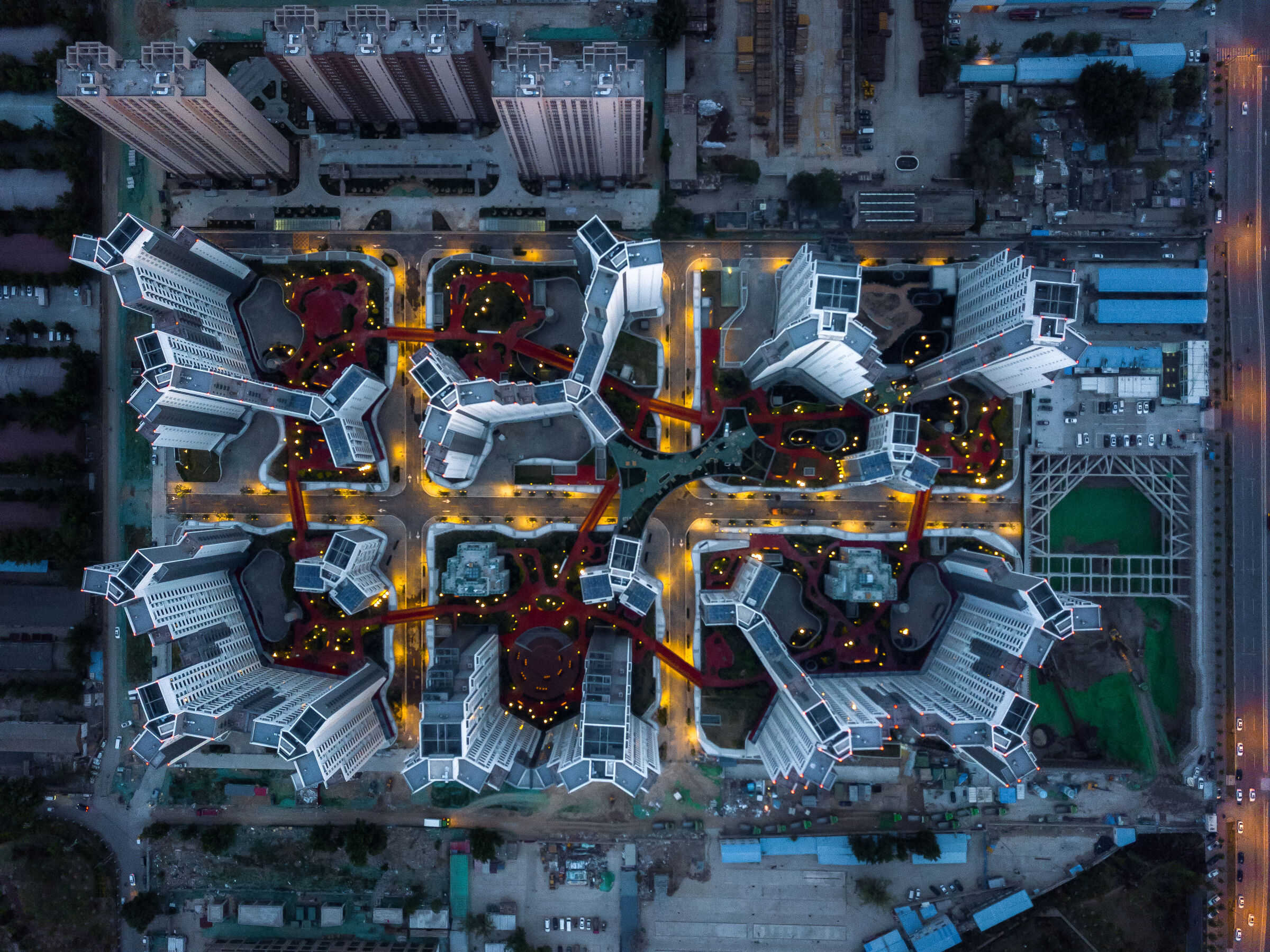
His research into social housing in China has shown him that larger apartments and newer construction do not necessarily make people happier if those environments isolate them from each other and from the city. “Open the gate, open the wall,” he says. That, for him, is not just a formal gesture but a social one. If a housing project can become a place others want to visit, rather than a segregated zone, residents no longer feel forgotten or stigmatized. The real challenge is to use architecture to create community within the limits of codes, density, and standard housing types.
Looking ahead, Yansong speaks less about technological futures than about freedom, diversity, and courage. “We should be more free,” he says, but immediately links that freedom to the acceptance of difference: “Only when you allow other people to freedom, you can feel free.” The city of the future, in his view, should not be standardized or optimized into sameness. It should remain visibly shaped by dreams, imagination, disagreement, and a positive vision of what collective life can be. Architecture, at its best, should make that plurality tangible.


