Welcome to the Archello Podcast, architecture’s most visual podcast series. Listen as Archello's Paris-based Editor in Chief, Collin Anderson, sits down with architects to discuss their careers and projects. Each audio episode is accompanied by a rich visual storyboard which listeners can use to follow the discussion.
Introducing Michael Murphy
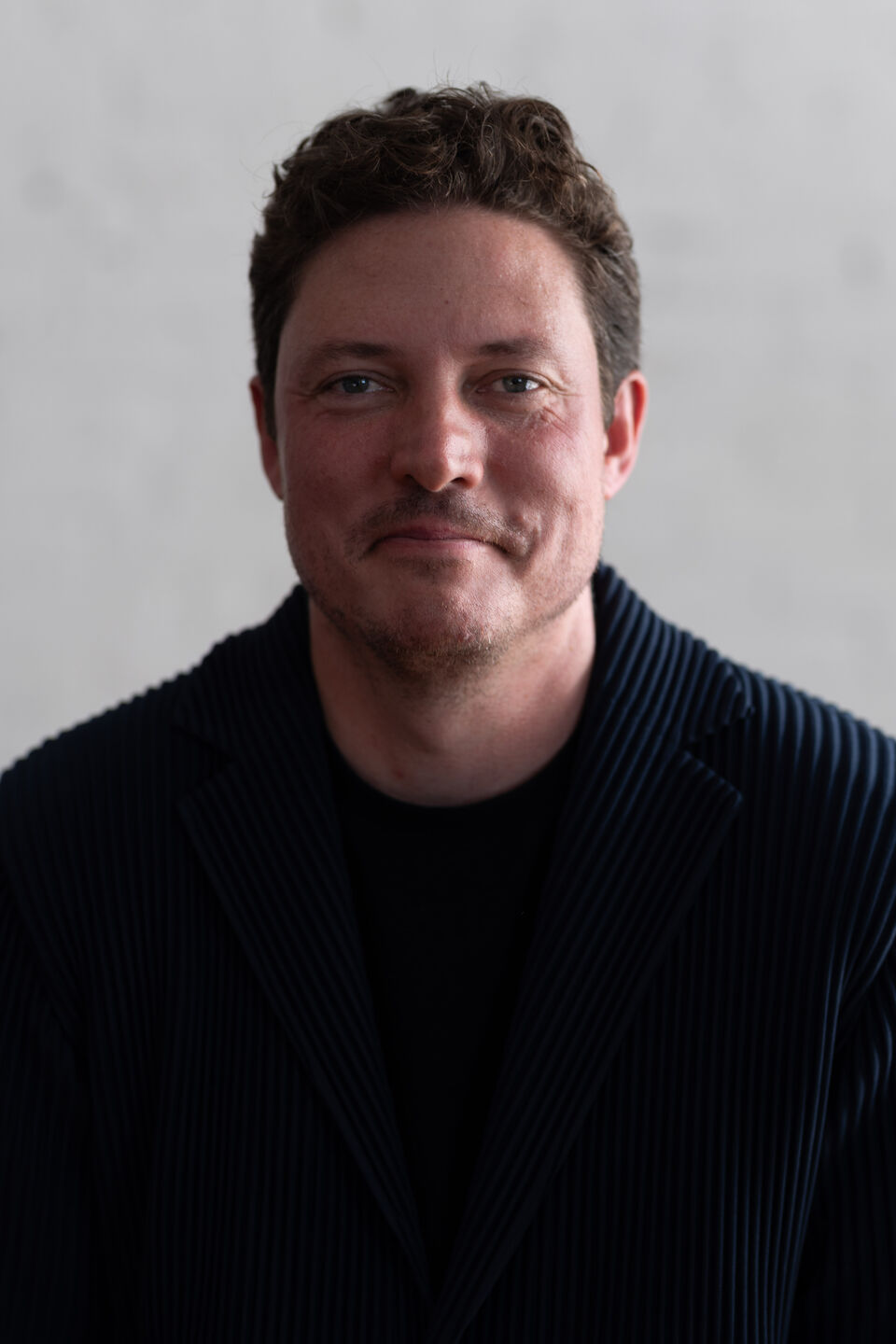
In this episode, Archello speaks with Michael Murphy, architect, author, and founding principal of AMMA, formerly of MASS Design Group, whose work has helped redefine the relationship between architecture, health, public memory, and community-driven design.
Murphy’s work examines how buildings shape human life at both intimate and systemic scales, exploring architecture not only as the design of objects, but as a social, cultural, and economic force capable of influencing health, equity, identity, and collective experience.
Listen and scroll as Murphy reflects on the founding of MASS Design Group during the global financial crisis, his early work in Rwanda with Partners in Health, the ideas behind his new book Our World in Ten Buildings, and projects including the National Memorial for Peace and Justice, offering insight into an approach to architecture grounded in public responsibility, systems thinking, and the transformative power of the built environment.
On starting again in Los Angeles
Murphy joins the conversation from Los Angeles, where he has recently relocated after nearly two decades in New England. The move comes at a transitional moment in his career, following his departure from MASS Design Group and the launch of his new practice, AMMA. Speaking from his new office, he describes the shift not simply as a change of geography, but as the beginning of a different phase of thinking about architecture, ownership, and practice itself.
Murphy traces part of that trajectory to an early competition presentation in Barcelona while still a student, a moment he now sees as unexpectedly foundational. The project, developed with a loose group of collaborators, was “the first real competition I was ever in,” presented in front of architects and critics he deeply admired. Winning the competition gave legitimacy to a young team that had not yet formally become a practice. “It kind of set off the founding of my first company in a way,” he explains, describing the experience as “a completely transformational moment.”
The timing of those years was equally important. Murphy entered architecture during the 2008 financial crisis with a background not in design, but in English literature, and often felt like “a fish out of water” in architectural education. At the same time, the profession itself was collapsing economically. He recalls reading that architects had replaced English literature graduates as “the least employable profession,” a realization he describes with humor but also honesty. “I was very unemployable, I guess is the conclusion there,” he says. Rather than entering a traditional office, that uncertainty pushed him toward a very different path, one that would eventually connect architecture to medicine, public health, memorialization, and systems change.
On learning architecture through medicine and public health
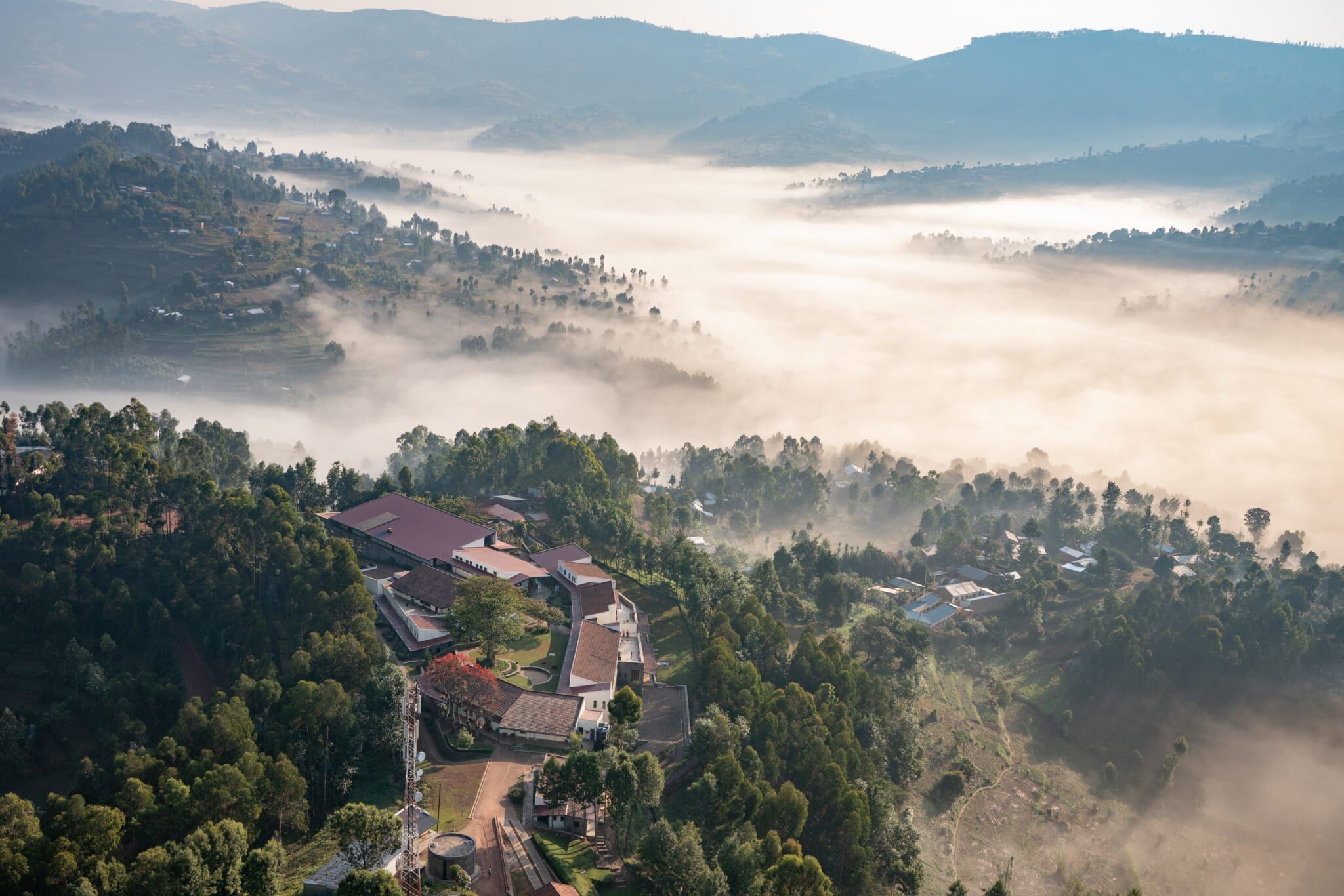
The uncertainty of that period ultimately redirected Murphy toward a very different understanding of architecture. While still in school, he began working with Partners in Health in Rwanda at a moment when the country itself was rebuilding after the genocide and rethinking its healthcare infrastructure from the ground up. At the same time, the loose network of collaborators around him was gradually evolving into what would become MASS Design Group. “That kind of ragtag group of collaborators,” he says, “a few of them stayed on and continued.” What began as improvised teamwork between students and young designers gradually evolved into a practice with a very different definition of what architecture could do.
Murphy describes those early years less as a conventional architectural education than as an immersion in another discipline entirely. Working alongside doctors and public health leaders forced him to explain architecture not in formal or theoretical terms, but in relation to care, survival, and human outcomes. The questions he encountered were direct and unsentimental: “Where's the evidence that these decisions you're making are going to improve people's lives?” Doctors wanted to know whether a design decision would affect treatment, workflows, or patient outcomes, and whether architecture itself could contribute to saving lives.
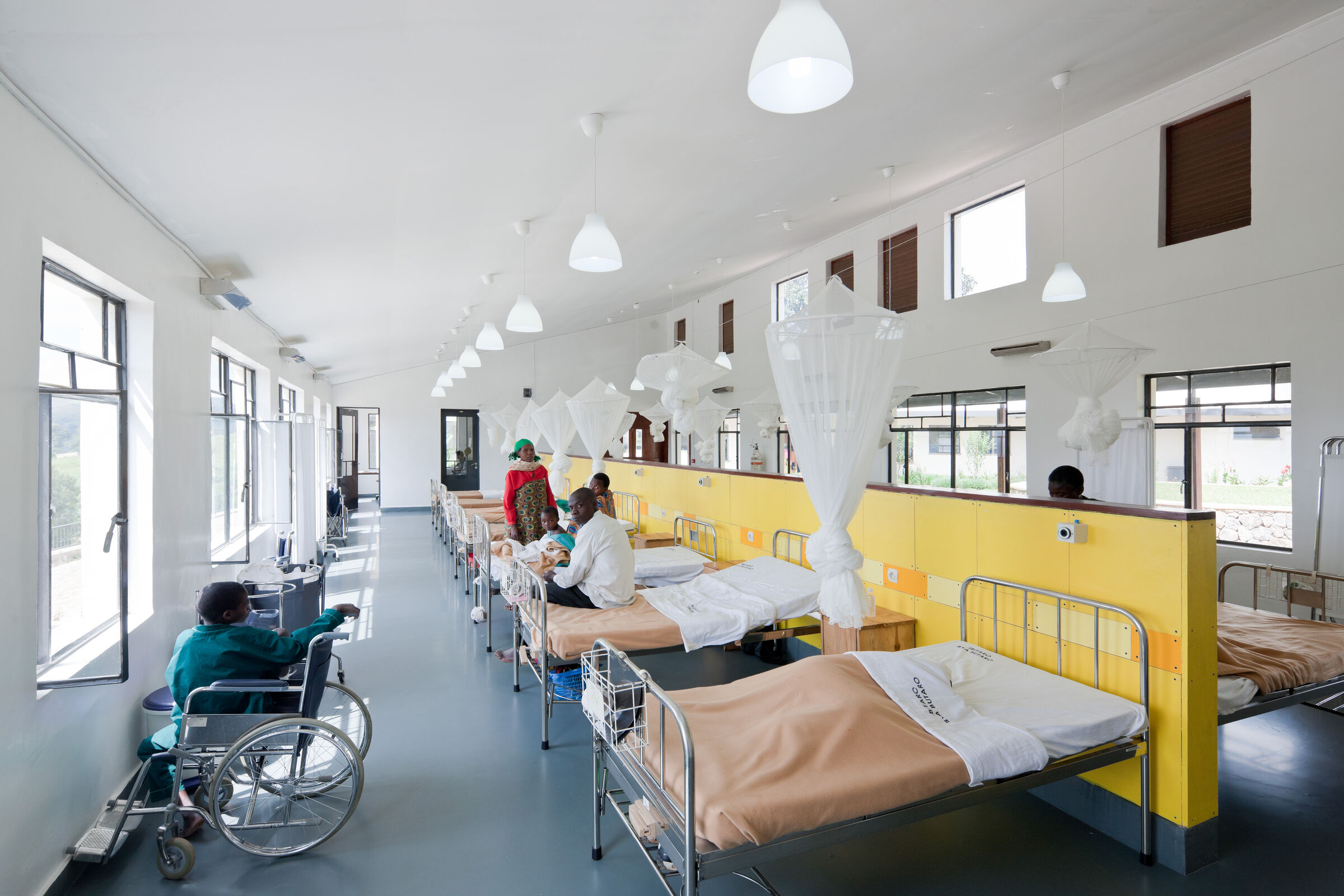
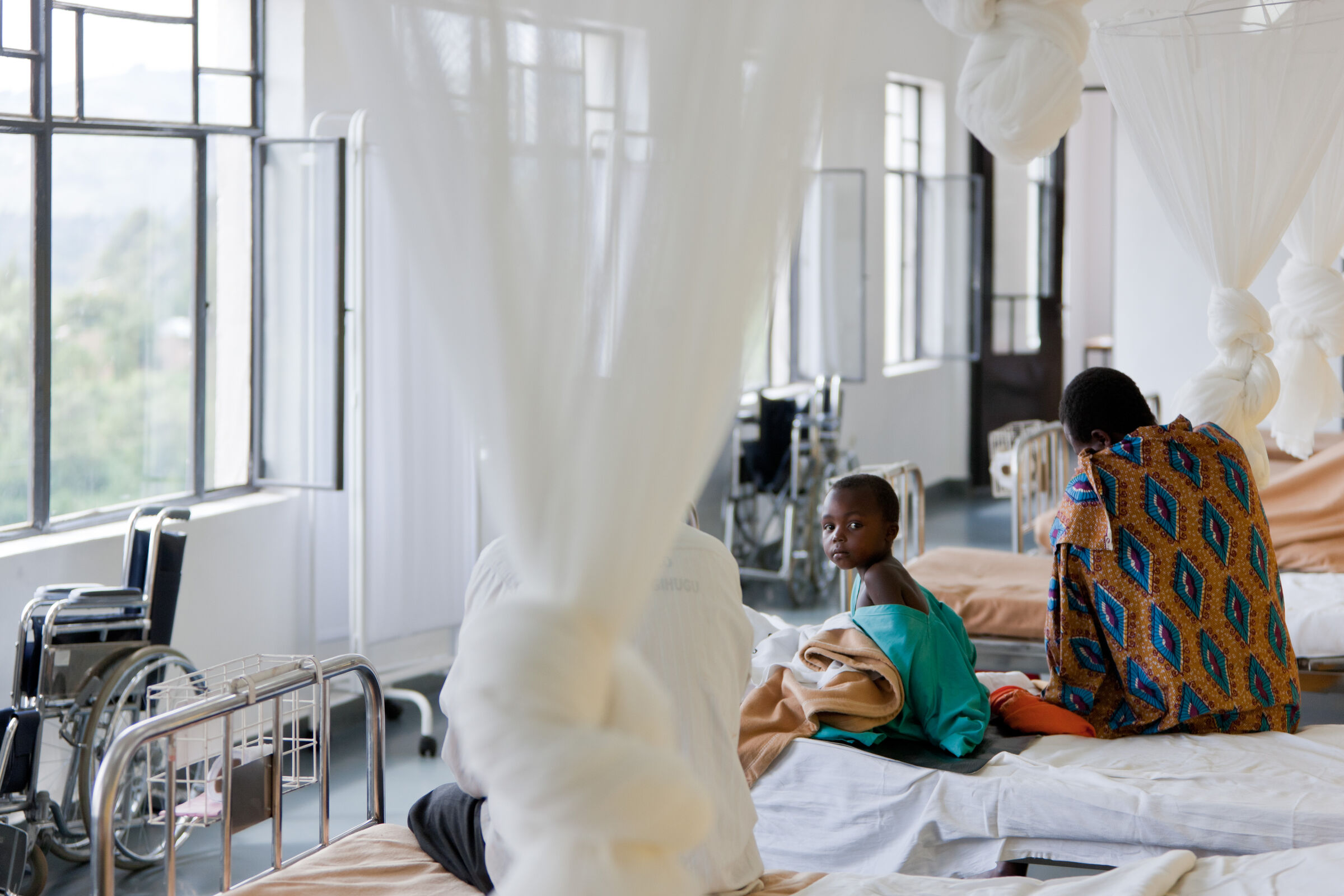
That experience reshaped Murphy’s understanding of architecture and who it needed to speak to. Working alongside doctors and public health experts forced him to move beyond architectural language and explain design in terms of care, evidence, systems, and human outcomes. “It changed the way I talked about or learned to talk about the need and value of the building around us,” he says. Architecture, in this context, was equally about construction and about how buildings influence survival, dignity, behavior, and everyday life.
On Rwanda, Paul Farmer, and the founding of MASS
Murphy’s first major architectural work began after meeting Dr. Paul Farmer, the physician and global health leader whose work in Haiti and Rwanda helped reshape approaches to healthcare for underserved communities. Rwanda, then only a little more than a decade beyond the genocide, was rebuilding its education and healthcare systems from the ground up. Murphy describes entering a context where, while much of the world was losing jobs in design and construction, Rwanda was actively building new infrastructure.
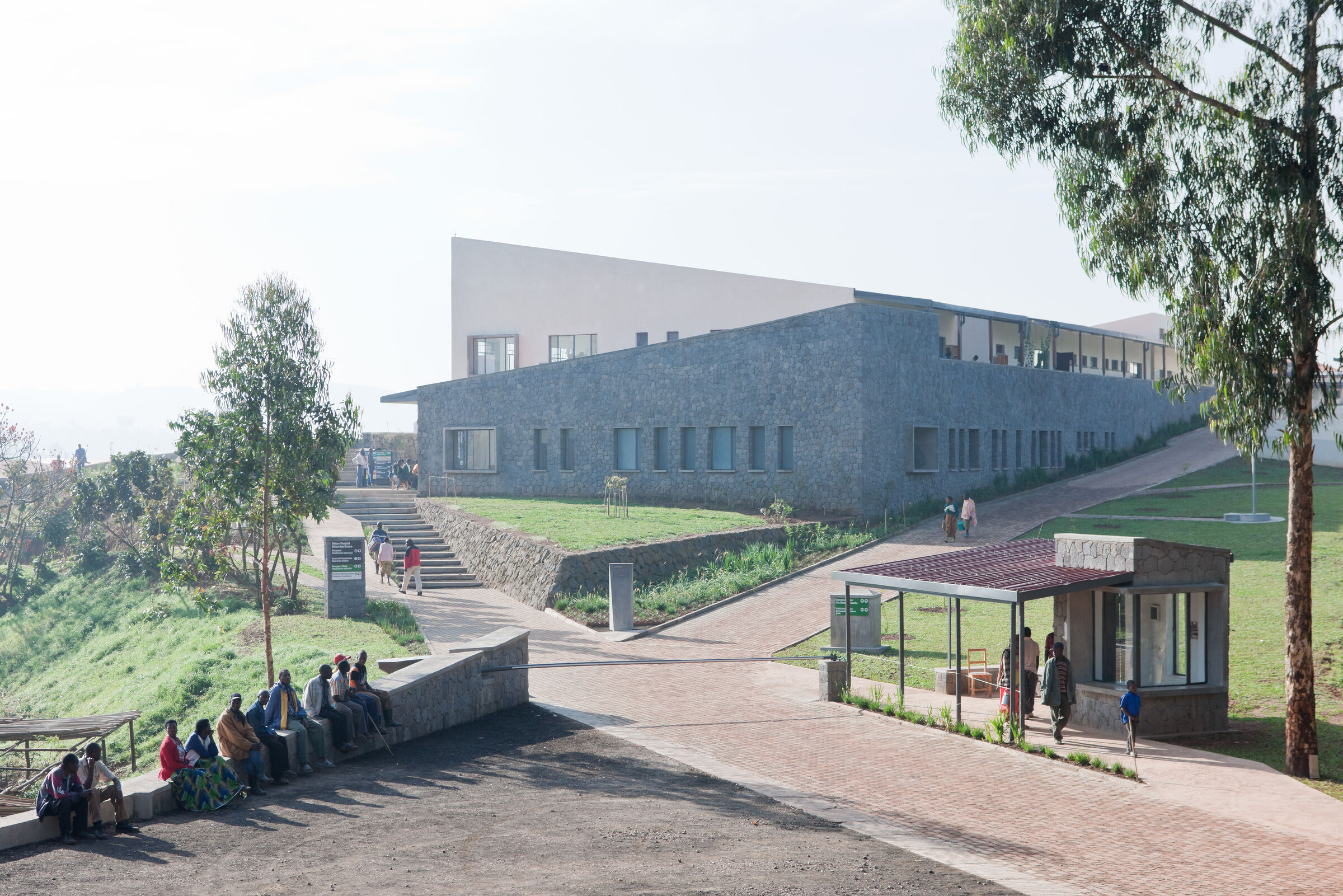
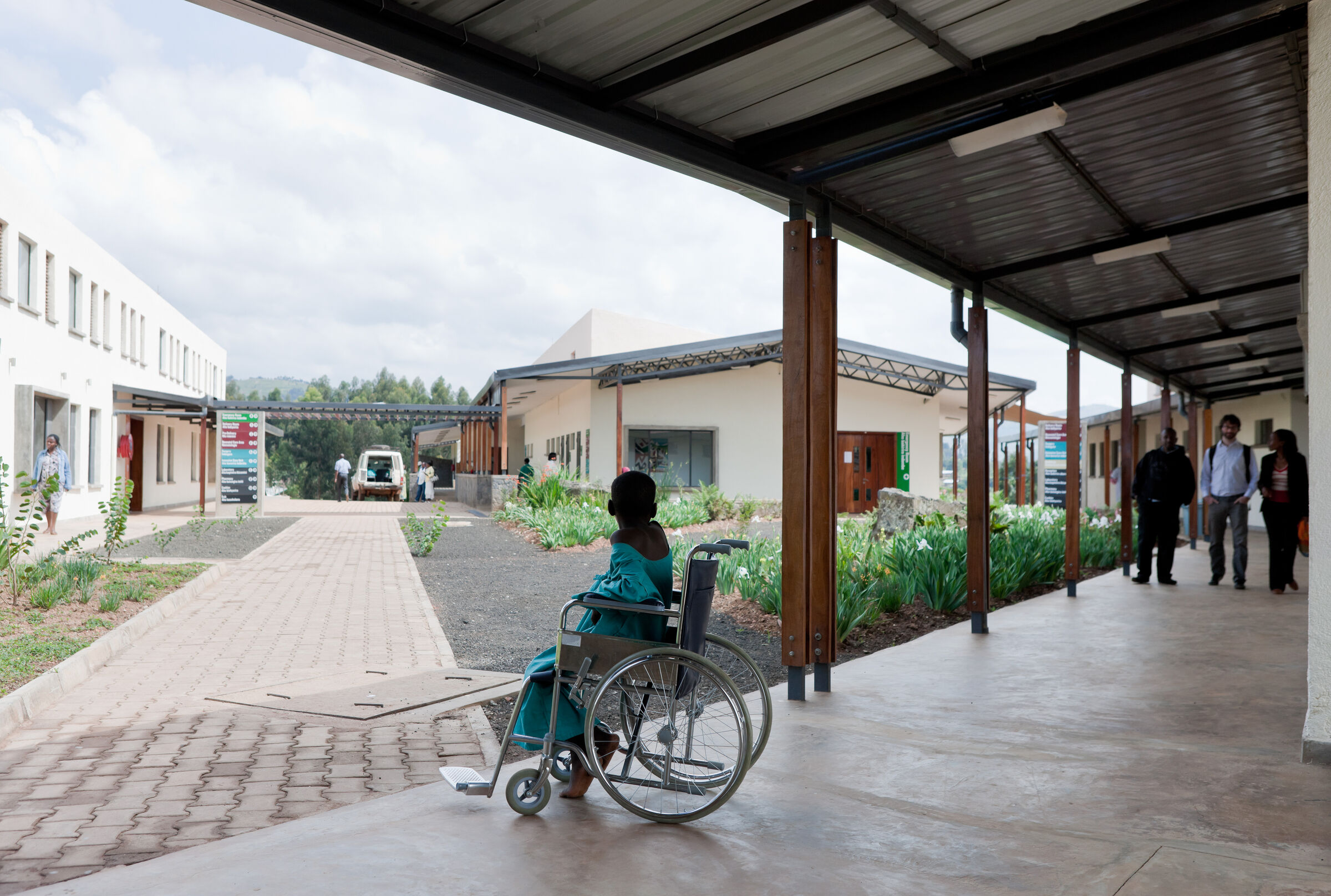
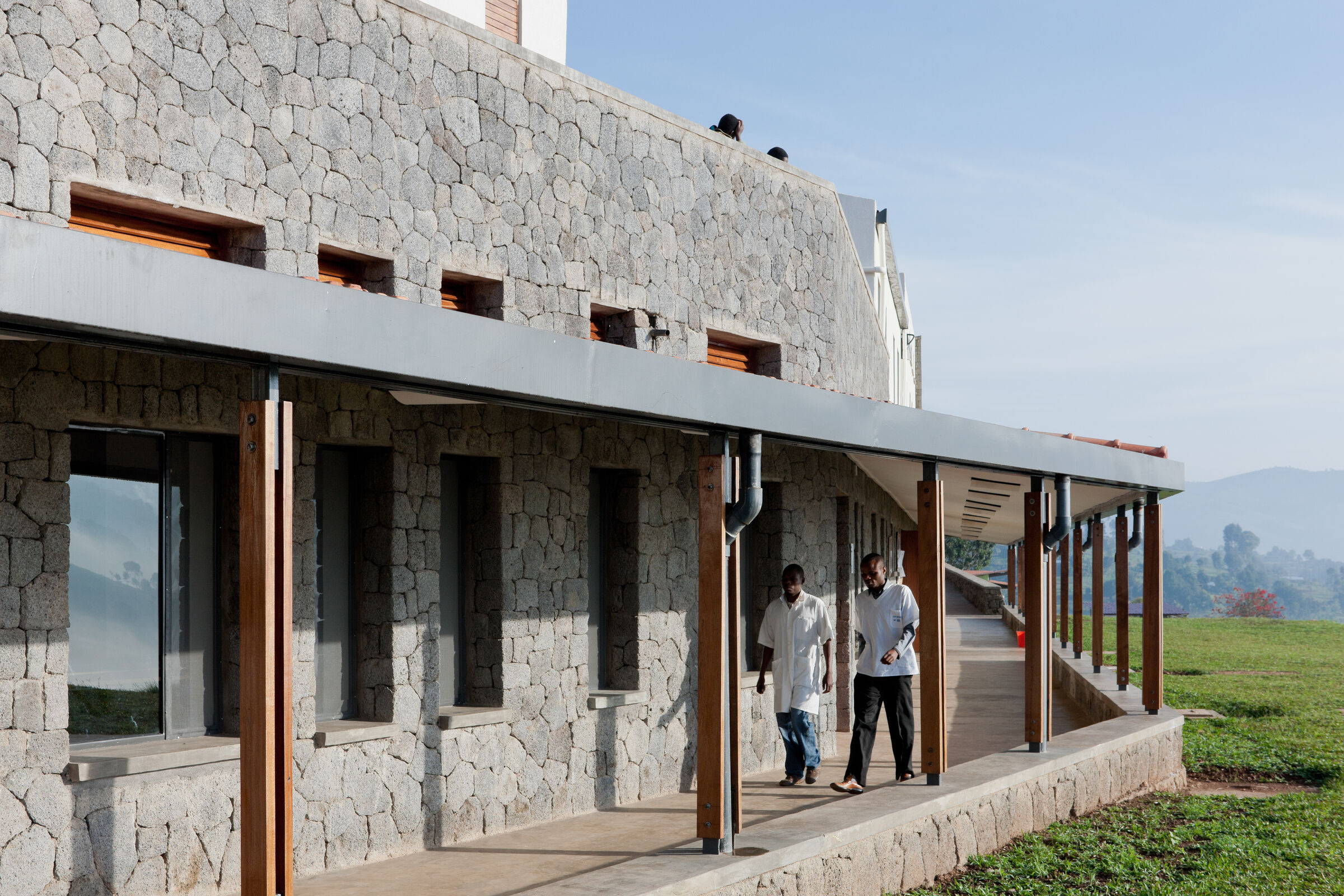
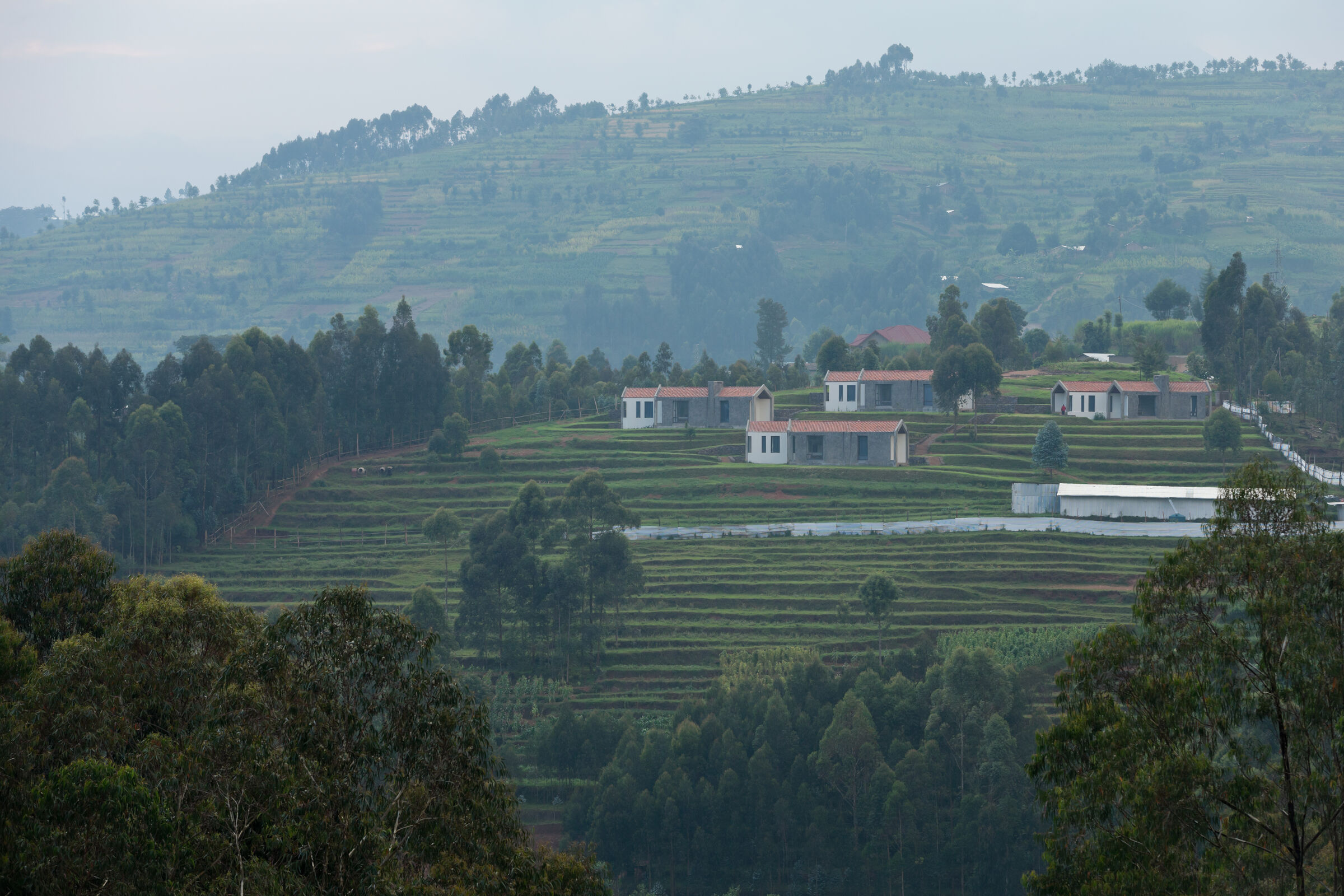
Instead of taking a conventional architecture internship, Murphy spent a summer working with Partners in Health in Rwanda. He began with small projects, including a laundry building and a conference center, before being asked to help design a new medical facility in the north of the country. “I don't know how to build a hospital,” he remembers thinking. “I'm not really sure if you want me to do this with you.” But the opportunity was impossible to refuse.
The hospital project became the foundation for MASS Design Group. As the work grew, Murphy realized he needed more collaborators and a more formal structure. “I needed more people,” he says. He set up a nonprofit during the project, brought in additional collaborators, and began to define a practice that could work at the intersection of architecture, health, and social impact. “That's what it became from that project.”
On writing architecture for a broader public
Murphy’s new book, Our World in Ten Buildings, grew from a question that has followed him throughout his career: how can architects serve more communities, and how can the value of architecture be communicated beyond the profession? His experience with Partners in Health exposed a disconnect between architectural expertise and the institutions that could benefit from it. “It’s because there’s something missing in the way we provide services and how we communicate our value,” he says.
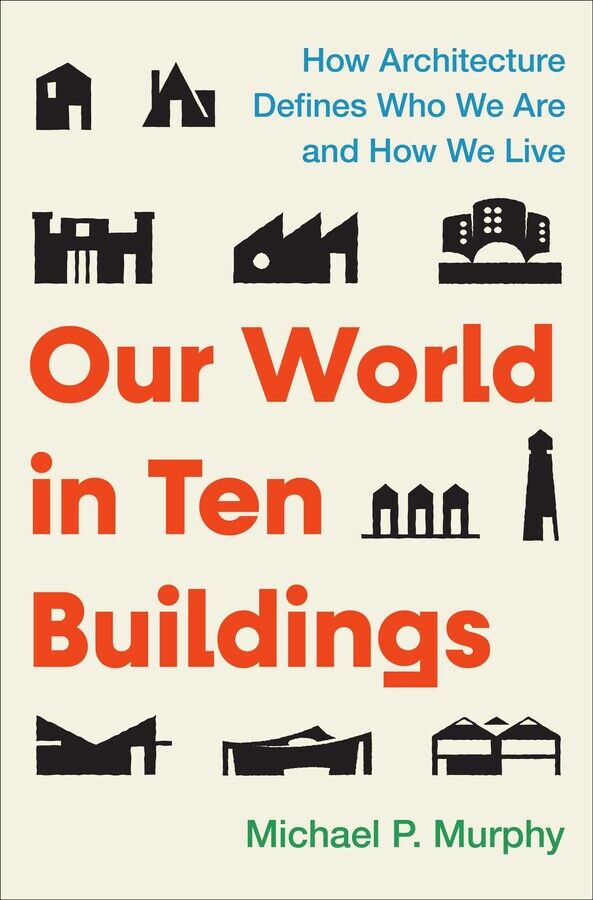
For Murphy, this is not only a professional problem, but a cultural one. Architecture often operates within “this very small box,” serving a limited group of clients who already understand or can afford its value. To move beyond that, he argues, architects need to explain why buildings matter in ordinary life, how they shape identity, community, access to rights, memory, and health. “These things we spend 90 percent of our lives in are shaping us every single day,” he says.
The book therefore avoids the format of a traditional monograph. Instead, Murphy writes through personal stories and archetypal building types, using accessible language to “de-jargonify our work.” He wanted readers to see their own lives in architecture, and to begin asking questions about the buildings that have shaped them. “How is this building shaping my life?” he asks. “What buildings do I love and why?”
On home, hope, and the intimate scale of building
The book opens with a personal story about returning home when Murphy’s father was ill and renovating a family house together. For Murphy, the act of maintaining or reconstructing a home is not simply practical. It draws the body and mind into the physical structures that shelter memory, family, and daily life. “The maintenance of the home, the intimate work of craftsmanship,” he says, connects people to “the things that keep us safe.”
In his father’s case, this became something more profound. Diagnosed with stage four cancer, his father found purpose in working on the house. “Working on the house and restoring it saved his life,” Murphy says. That statement became one of the driving questions of his career: whether ordinary buildings and the care invested in them can reshape people physiologically, emotionally, and even existentially.
19:45
"Buildings are operating on what I would call the intimate and the infinite."
Murphy connects this intimate experience of building to the opposite end of architectural experience: awe. If the act of touching, sanding, repairing, and making a home works at the scale of the body, cathedrals and monumental spaces operate through wonder, scale, and the sense of being part of something larger.
On the National Memorial for Peace and Justice
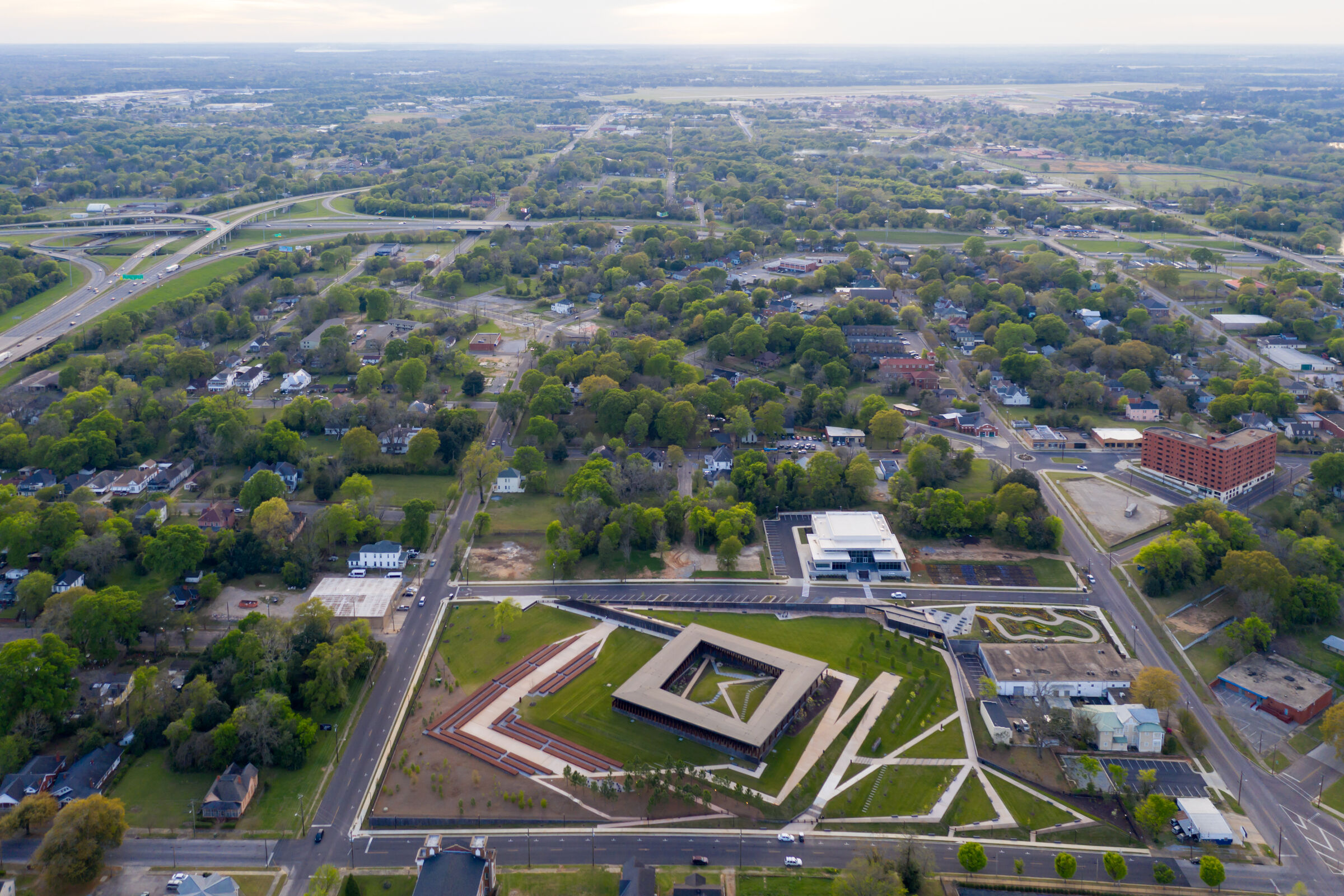
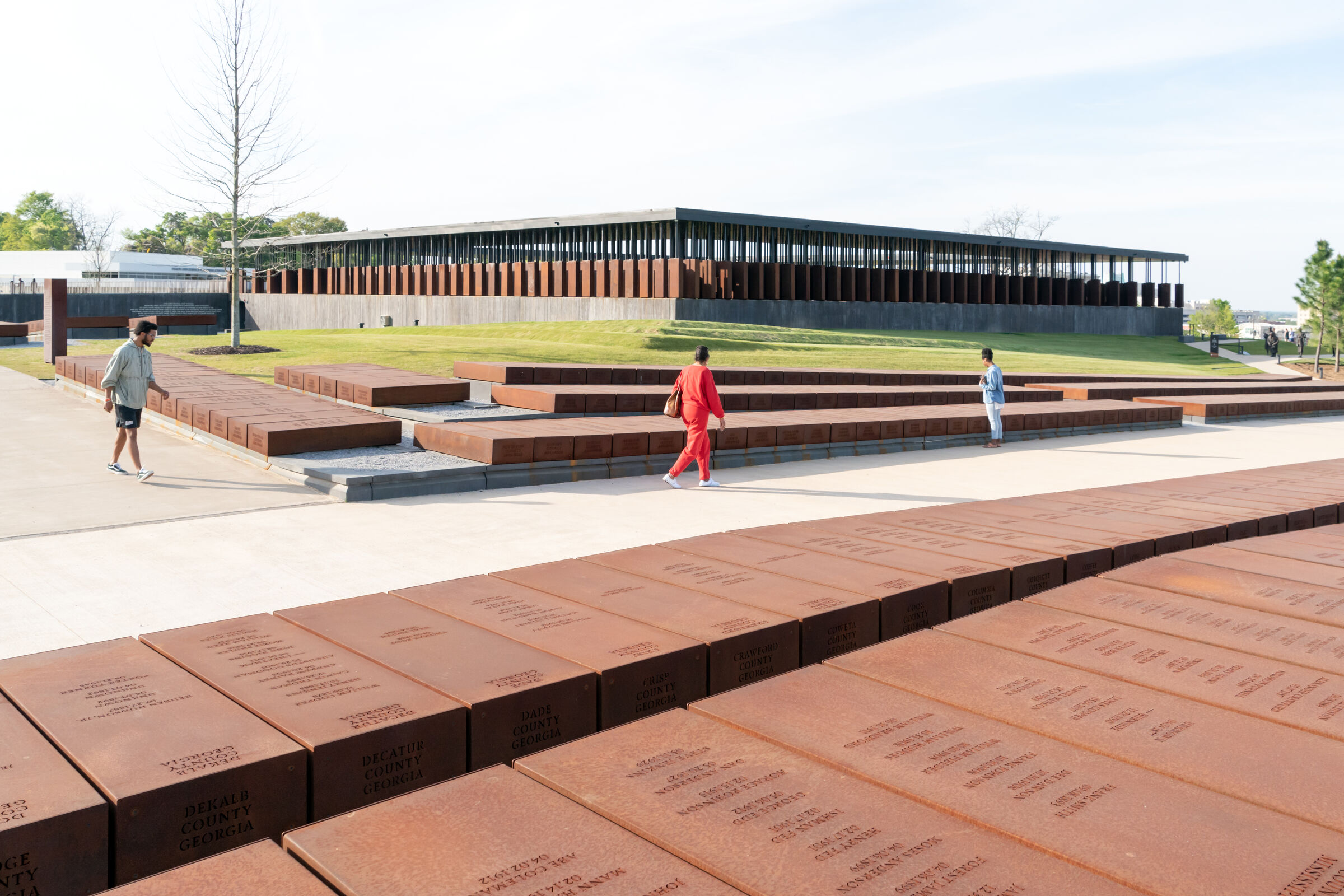
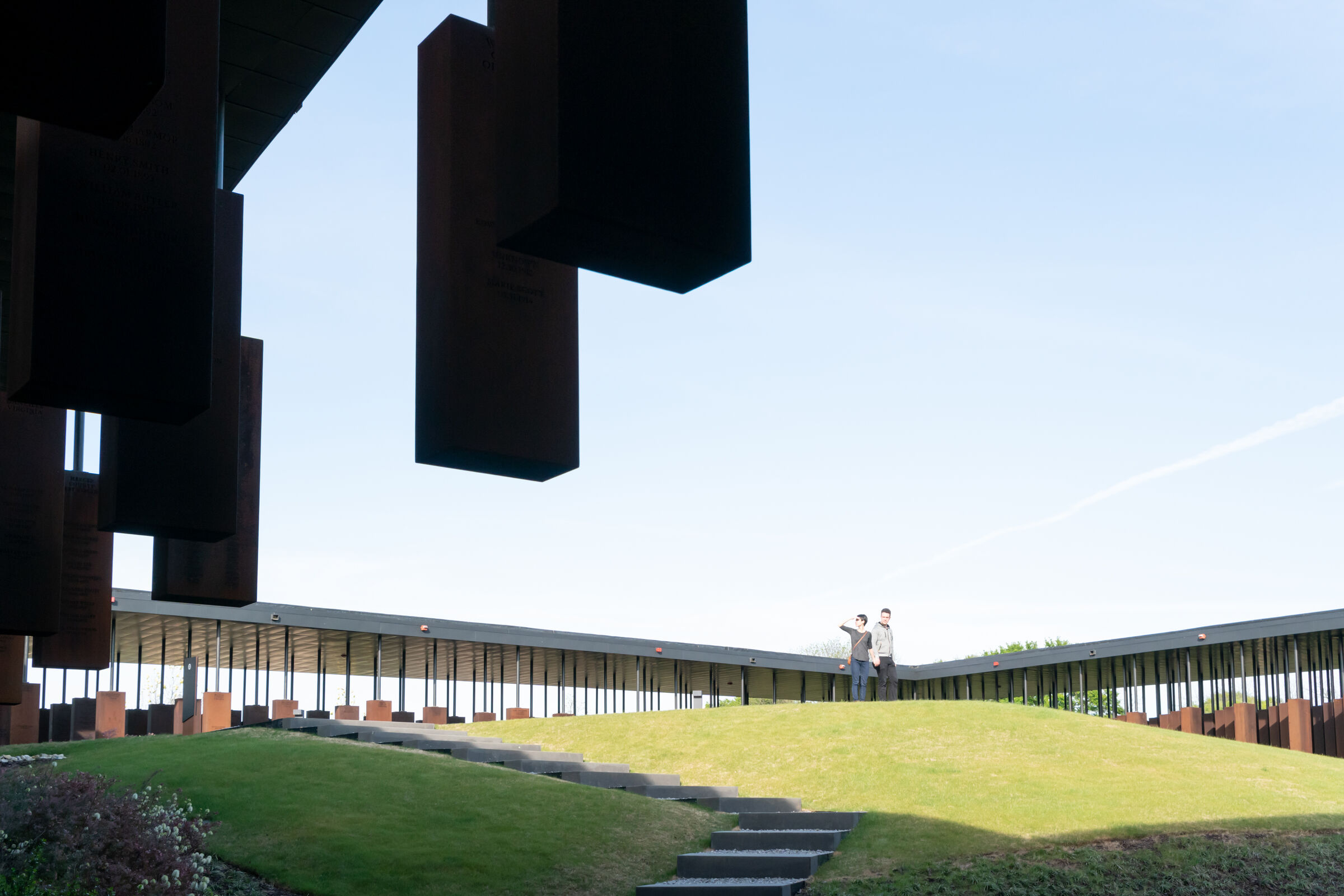
Murphy’s work on the National Memorial for Peace and Justice in Montgomery, Alabama, began after he read about Bryan Stevenson’s ambition to mark every site of lynching in America. Stevenson wanted to commemorate more than 4,500 African Americans who were killed between 1880 and 1950, and to make visible a history that had often been hidden or denied. Murphy sent a cold email to Stevenson’s team, later advising others to do the same: “Always reach out. You wouldn't be surprised who might respond.”
The memorial began without a fixed form. It might have become one site or many, a small sculptural intervention or a larger immersive landscape. Murphy and his team developed scenarios from small to large and from local to national, helping define the scale of the project. The result was a six-acre national memorial in downtown Montgomery, designed in 2015 and opened in 2018.
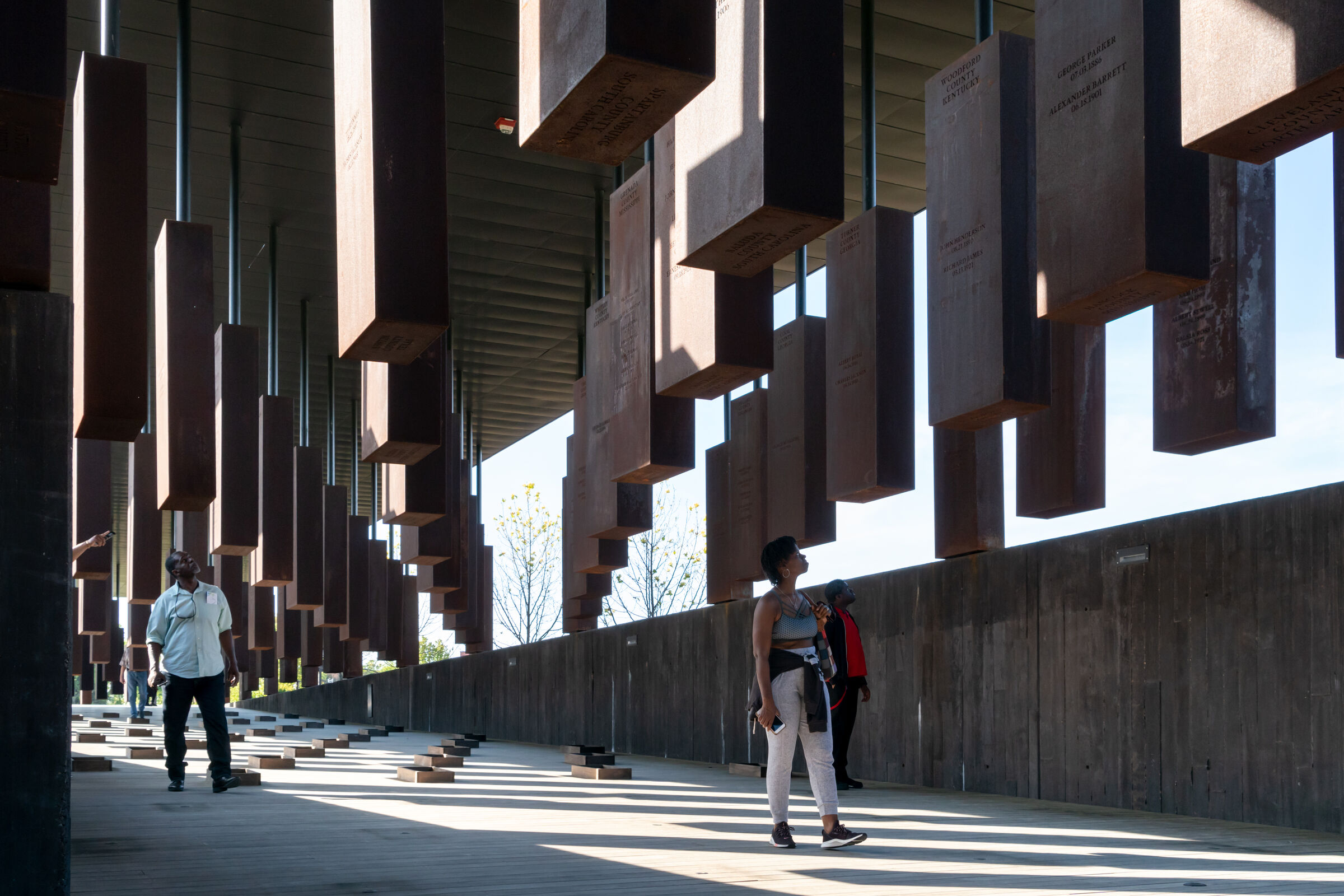
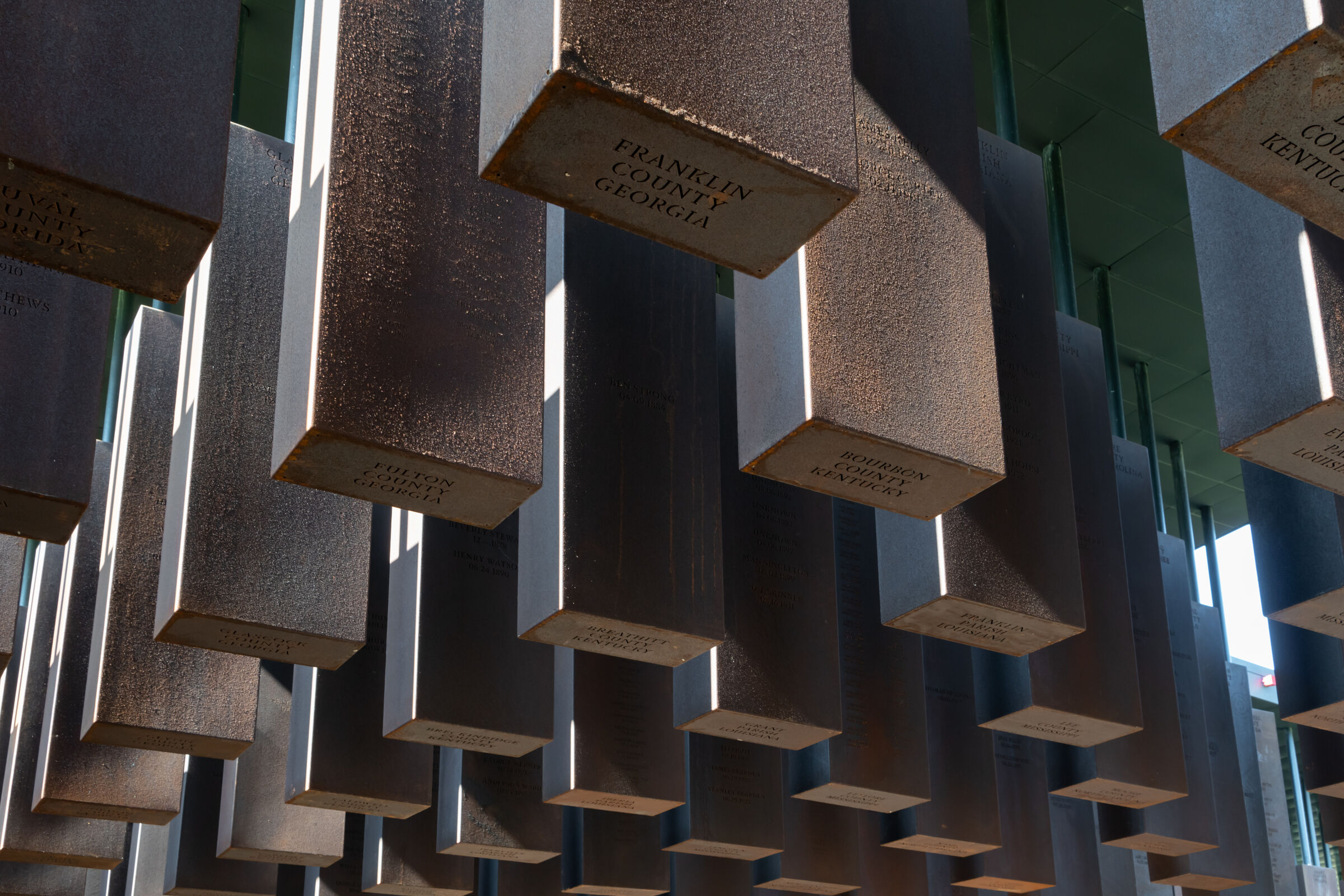
For Murphy, the project changed his understanding of the architect’s role. The memorial was not only a response to a brief, but part of a broader system of cultural transformation, economic development, and public memory. “What is the actual project here?” he asks. “Is it bigger than the frame of the building?” The answer, for him, was yes: the project was also the city, the national conversation, and the way America approaches memorialization.
On memorials as transformation
In Our World in Ten Buildings, Murphy uses the memorial as one of ten architectural archetypes through which he explores how buildings influence memory, identity, and collective experience. Murphy reflects on how memorials can guide people through discomfort, recognition, and transformation: the goal of a memorial is not only to mark history, but to create “a journey, a pilgrimage,” a place where visitors are changed by encountering the weight of what has been withheld or forgotten.
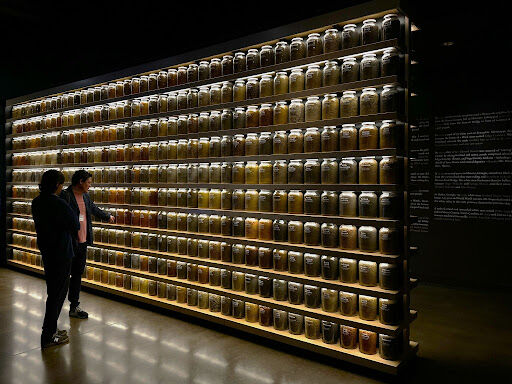
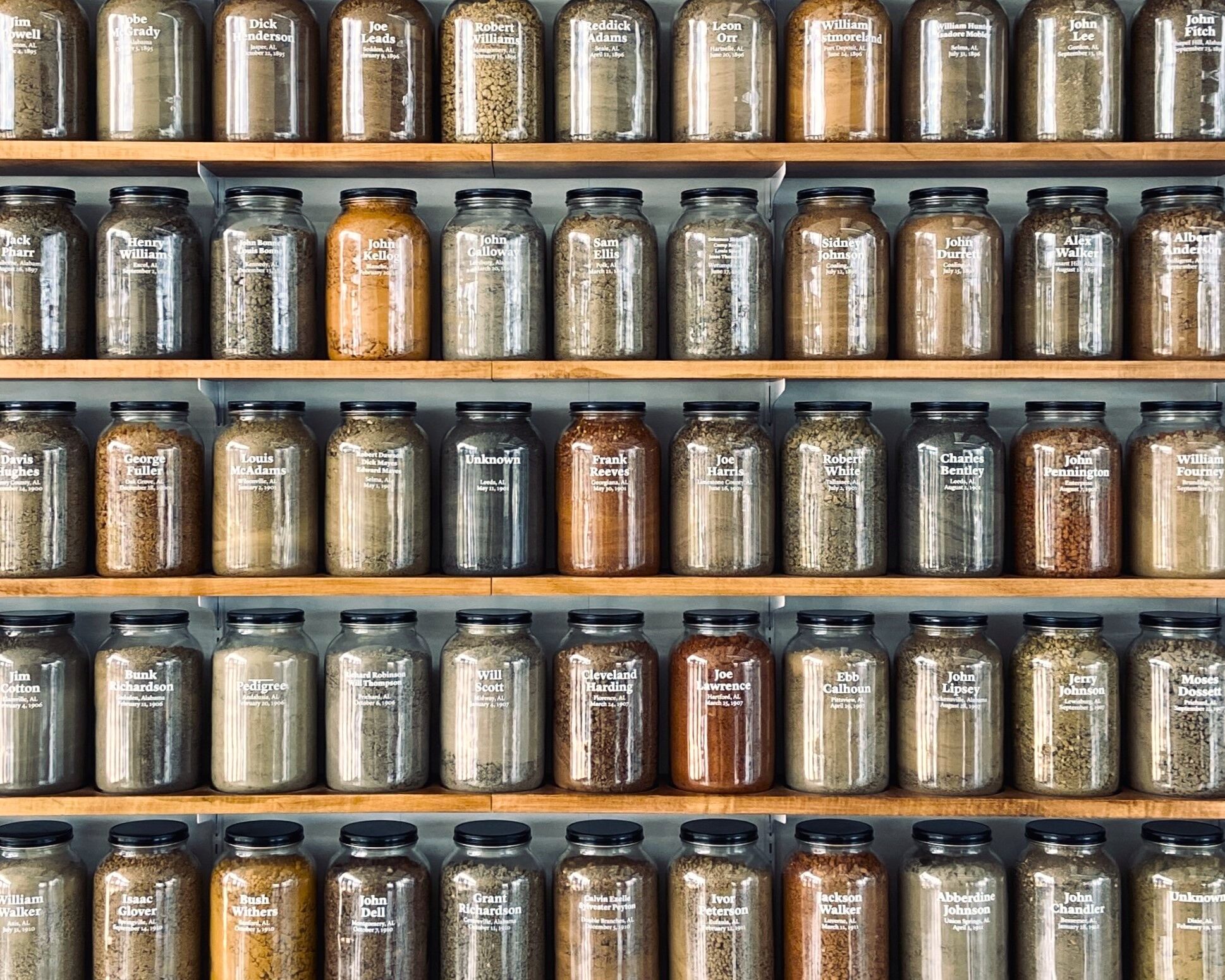
His thinking was shaped in part by experiences in South Africa, where he studied memorials built after apartheid. Some were didactic, some sculptural, and others deeply immersive, such as the Apartheid Museum outside Johannesburg. From these examples, Murphy understood that architecture could make people feel compression and freedom, discomfort and hope, the intimate and the infinite.
25:40
“We could make people feel hope and discomfort”
That immersive quality became essential to the Montgomery memorial. Murphy wanted visitors to leave not only informed, but altered, or at least provoked into asking new questions about their own communities. In this sense, memorial architecture is not passive remembrance. It can become an ethical and spatial instrument for bringing hidden histories into public life.
On making architecture legible to non-architects
Although Murphy had written books before, he describes Our World in Ten Buildings as a very different kind of project. Earlier publications remained closer to the conventions of architectural publishing. He values those books, but also recognizes their limited reach. “Architects buy other architects' books, and about nobody else does,” he says. “That bums me out.”
With this book, he wanted to reach a general audience. That meant working with a major publishing house, a book agent, and a different standard of accessibility. The ambition was not to produce another object for architects’ bookshelves, but to write something that could reach tens of thousands of readers and invite them into architectural thinking. For Murphy, this required reframing the argument.
He sees jargon as one of the main barriers between architects and the public. Like medicine, architecture has its own internal language, but that language can prevent people from understanding why spatial decisions matter. “We have to persuade them that these decisions make a difference,” he says. The most powerful way to do that, he has learned, is through human stories about how buildings shape lives.
On COVID, health, and spatial awareness
Murphy’s 2015 TED Talk, titled Architecture that's built to heal revealed to him how strongly people respond when architecture is explained through personal experience. After the talk, he received emails from listeners wanting to share how buildings had shaped their own lives. “It cracked something open in people,” he says. The response strengthened his belief that architecture becomes more powerful when people recognize themselves in it.
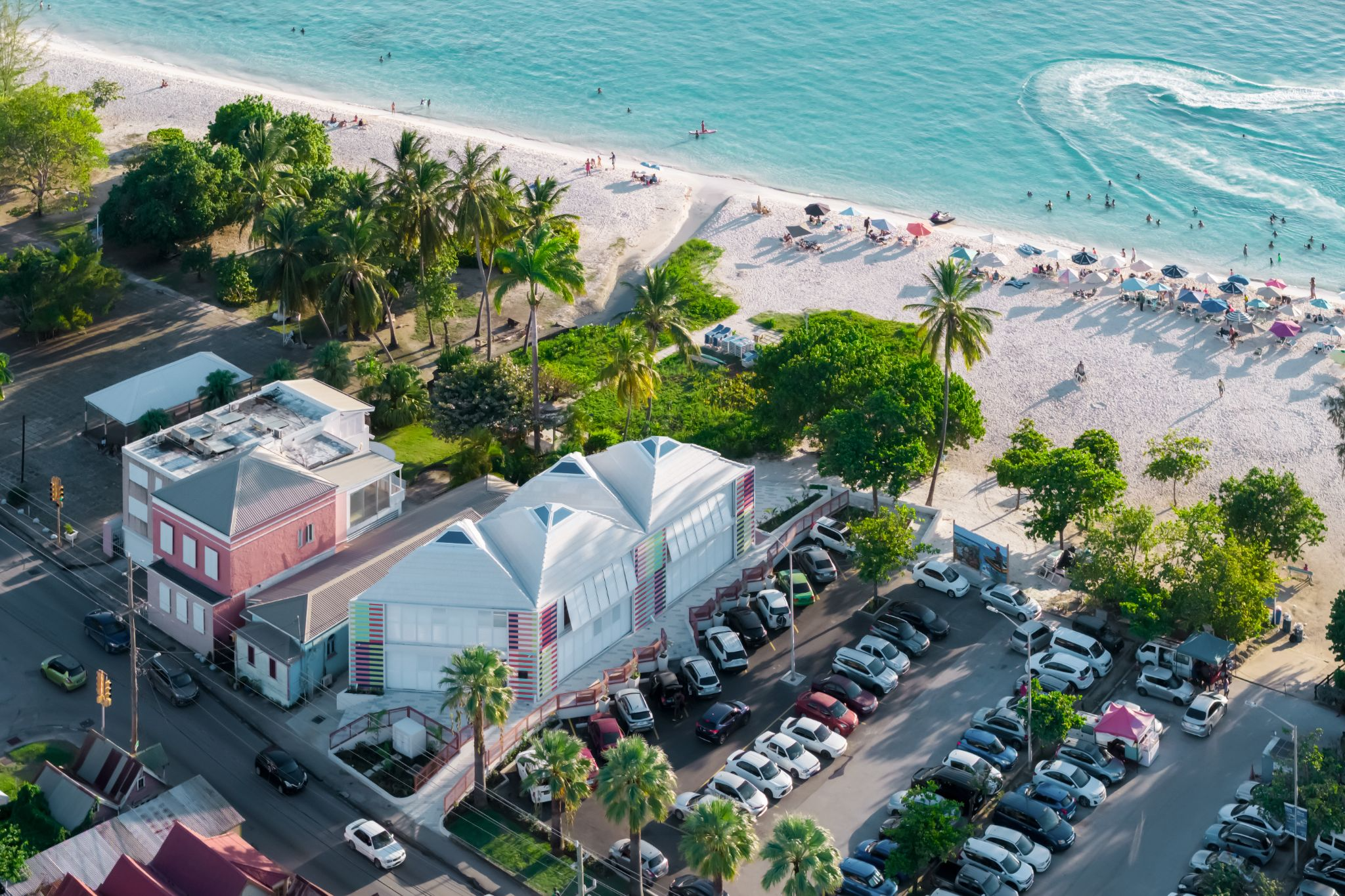
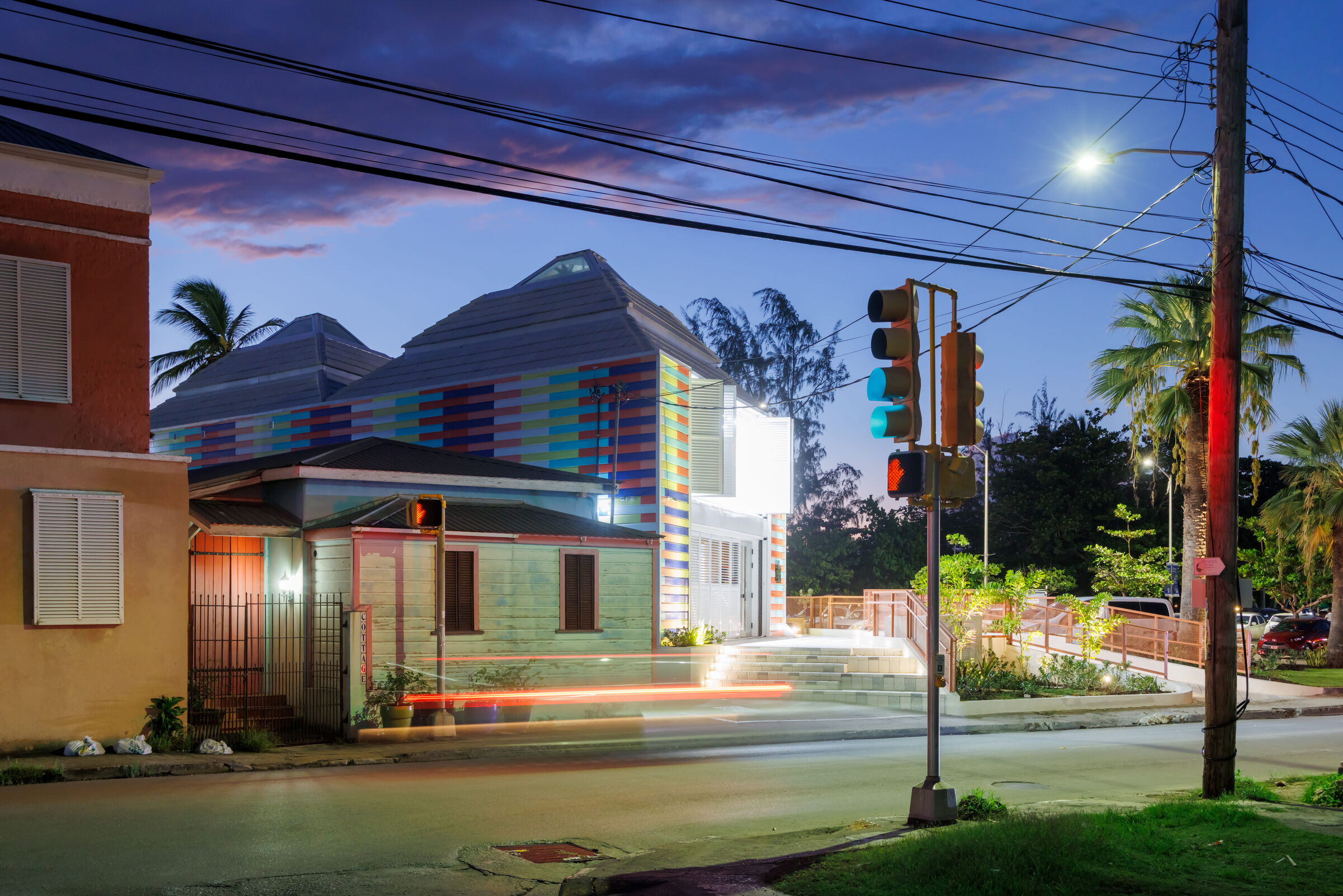
The COVID pandemic expanded that awareness on a global scale. Suddenly, people everywhere were asking whether the spaces they entered could make them sick or endanger their families. For Murphy, this was a “spatial awakening,” a moment when the built environment became urgently visible as a matter of life, health, and collective responsibility. Architects, he argues, already held knowledge that could respond to that fear.
He connects this back to architecture’s oldest responsibilities: strength, usefulness, and beauty. The Vitruvian triad remains relevant, but it must be communicated in a way that communities can understand and value. Architecture is not an optional luxury, in his view, but something people need, something that can inspire them, and something “we can't function without.”
On moving west and beginning AMMA
Murphy describes his move to Los Angeles and his founding of AMMA as “westward dreaming.” He remains proud of what MASS became: a nonprofit practice that grew to more than 200 people, worked internationally, and demonstrated how design could serve clients and communities that might otherwise lack access to architectural services. “I hope there's more nonprofits, organizations that emerge, copy its model,” he says, seeing MASS as a model for expanding design’s reach.
At the same time, Murphy became increasingly aware of the limits of the nonprofit structure. In projects like the Montgomery memorial, architecture helped create enormous cultural and economic value, yet the nonprofit organizations involved could not fully capture or reinvest that value. That realization pushed him toward a new question: not only how to supply better architecture, but how to create demand for socially and environmentally impactful architecture through ownership, finance, and land.
On ownership, equity, and the architect as partner
AMMA is built around this shift. Murphy wants to rethink the architectural project not simply as a building, but as “a system intervention in a place.” That means considering ownership, equity, land acquisition, financing, and long-term value as part of the design process. The office is exploring cultural projects with housing, memorial projects linked to adjacent real estate, and vertically integrated construction models involving mass timber and modular systems.
This marks a move away from the architect as a conventional service provider. Murphy is interested in the architect as a consolidating entity, someone who can bring together finance, development, construction, ownership, and public purpose. “Thinking about the architect more as a consolidating entity than just as the service entity that does the project's drawings,” he says, is central to the new practice.
He wants to change the relationship between architects and clients. In the nonprofit context, he often began projects as a partner, sometimes helping fundraise or bring third-party support, but later saw the architect’s role reduced: “You'd begin as a partner and you end up as a vendor,” he says. His new model aims to keep architects at the table by giving them an equity stake and a share of both risk and reward.
On museums, development, and recapturing value
One of the projects beginning to embody this new approach is in North Adams, Massachusetts, with MASS MoCA. The museum occupies a former industrial complex in a city that once thrived but has since suffered economically. Murphy describes the museum as a successful cultural institution now asking a larger question: what is its responsibility to the city around it?
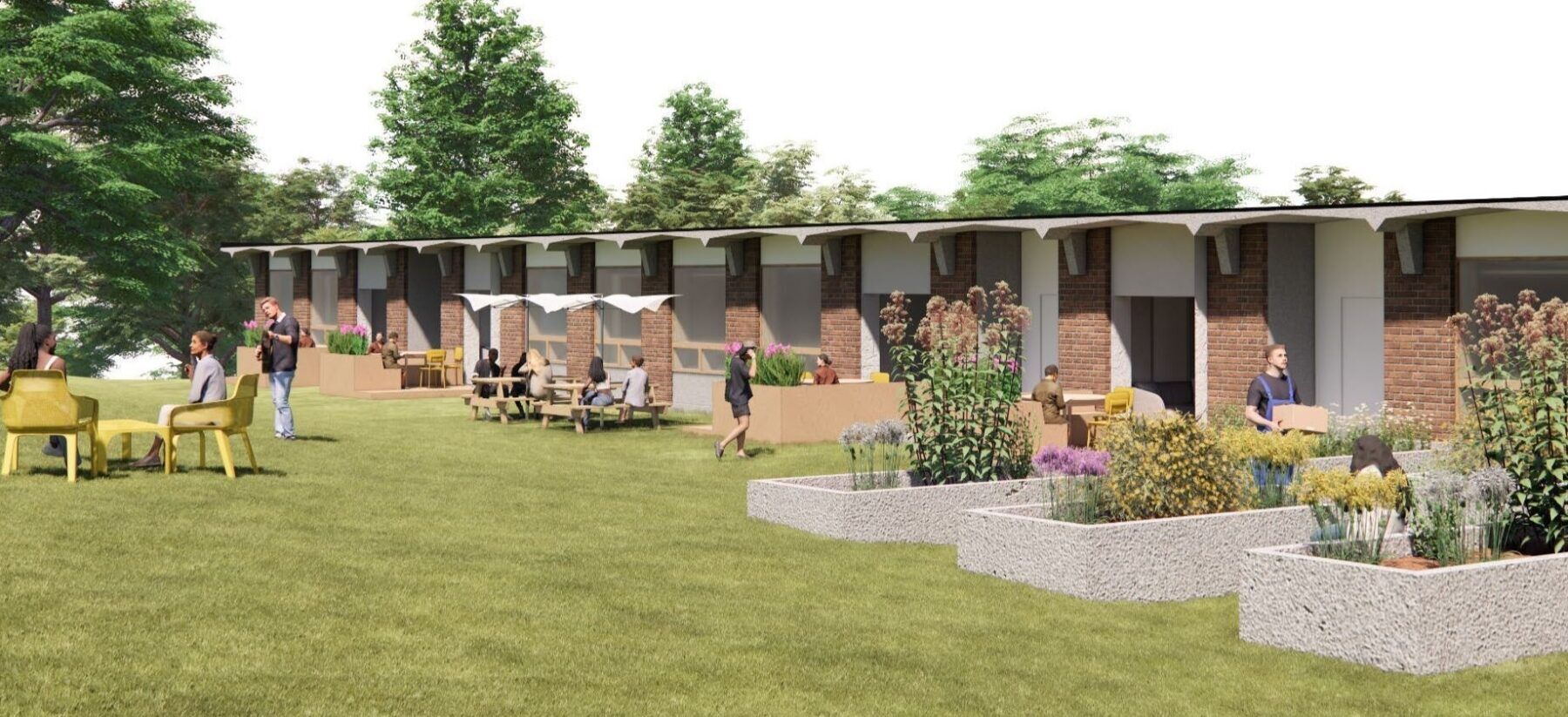
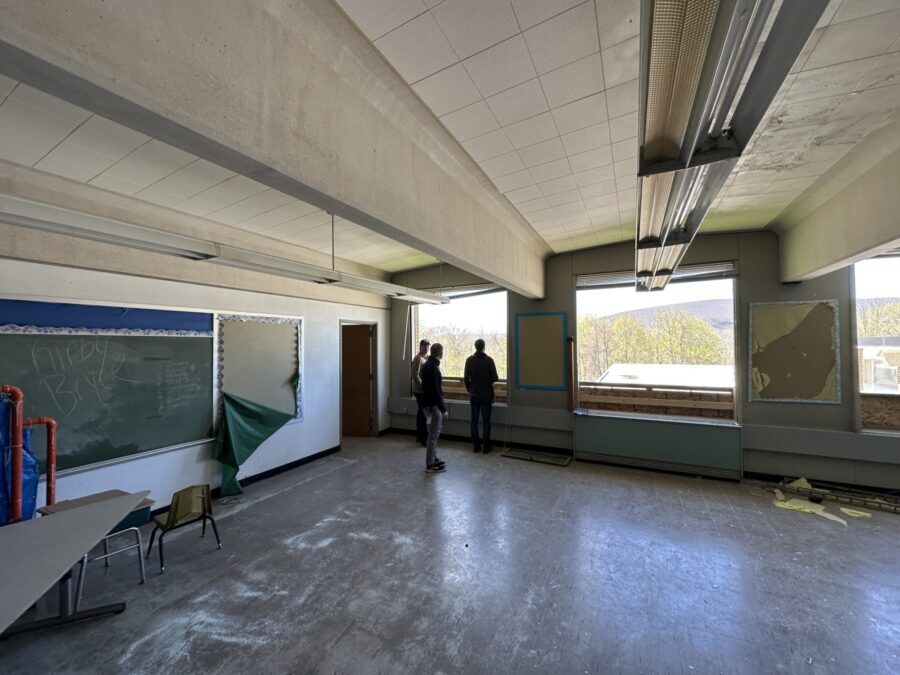
Under director Kristy Edmunds, MASS MoCA is exploring whether it can become part of the development team, supporting housing for artists and creatives, increasing downtown density, and strengthening the economic base of the city. For Murphy, this is a compelling example of how cultural institutions can move beyond their walls. The value generated by cultural activity could return to the museum and the community, rather than being captured only by surrounding real estate markets.
He compares this to the way artists often create value they do not benefit from over time. Architecture faces a similar problem: buildings and cultural projects can transform neighborhoods, but architects and mission-driven clients rarely participate in the long-term value they help create. “We're creating valuable things in the world and we're not recouping that value over time,” he says. “We can change that dynamic with a different financial structure.”
On changing the risk and reward of architecture
Murphy argues that architects already take significant financial risks, often investing large amounts of unpaid labor before projects are secured or funded. Yet that risk rarely translates into meaningful ownership or long-term participation. He sees this as an imbalance in the profession’s basic structure.
42:00
“The risk and reward system in our profession and our contracts is sort of upside down."
By creating architects as equity-holding partners in development projects, Murphy hopes to establish a different model. Ownership would keep architects engaged in the decisions that shape the public, cultural, and environmental impact of a project. It would also acknowledge the value architects help generate. For Murphy, this is not simply a business strategy, but a way to maintain architecture’s responsibility to the public realm while remaining directly involved in the long-term consequences of development.
The next phase of AMA will test these ideas through a series of pilot projects exploring ownership, financing, housing, and cultural infrastructure together. More than a shift in practice structure, Murphy describes it as an attempt to rethink the architect’s role altogether, moving beyond the position of consultant or vendor toward something more embedded and participatory. “Thinking about the architect more as a consolidating entity than just as the service entity that does the project's drawings,” he says, has become central to the work ahead.