Emerging from the post-war ruins, Polish architecture was initially characterized by a series of Brutalist structures that symbolized the power and dominance of the totalitarian regimes in control. After the 1950s and the country’s gradual de-Stalinization, architects began to embrace new elements of modernism, allowing Poland’s architecture to evolve beyond its celebrated legacy of postwar reconstruction and experimental housing.
Today, leading Polish architectural practices are redefining the country’s built environment through thoughtful public buildings, socially responsive housing, adaptive reuse, and environmentally conscious design. These firms are contributing to a diverse range of structures, including museums, educational facilities, workplaces, and civic spaces, while striking a careful balance between innovation, technical rigor, and a deep sensitivity to their context.
This selection highlights practices that are actively shaping contemporary architecture today. The ranking considers the strength and breadth of each firm’s recent work, showcasing the 30 best architecture firms in Poland. Collectively, these firms represent the diversity, ambition, and ongoing evolution of Polish architecture in 2026.
1. KWK Promes
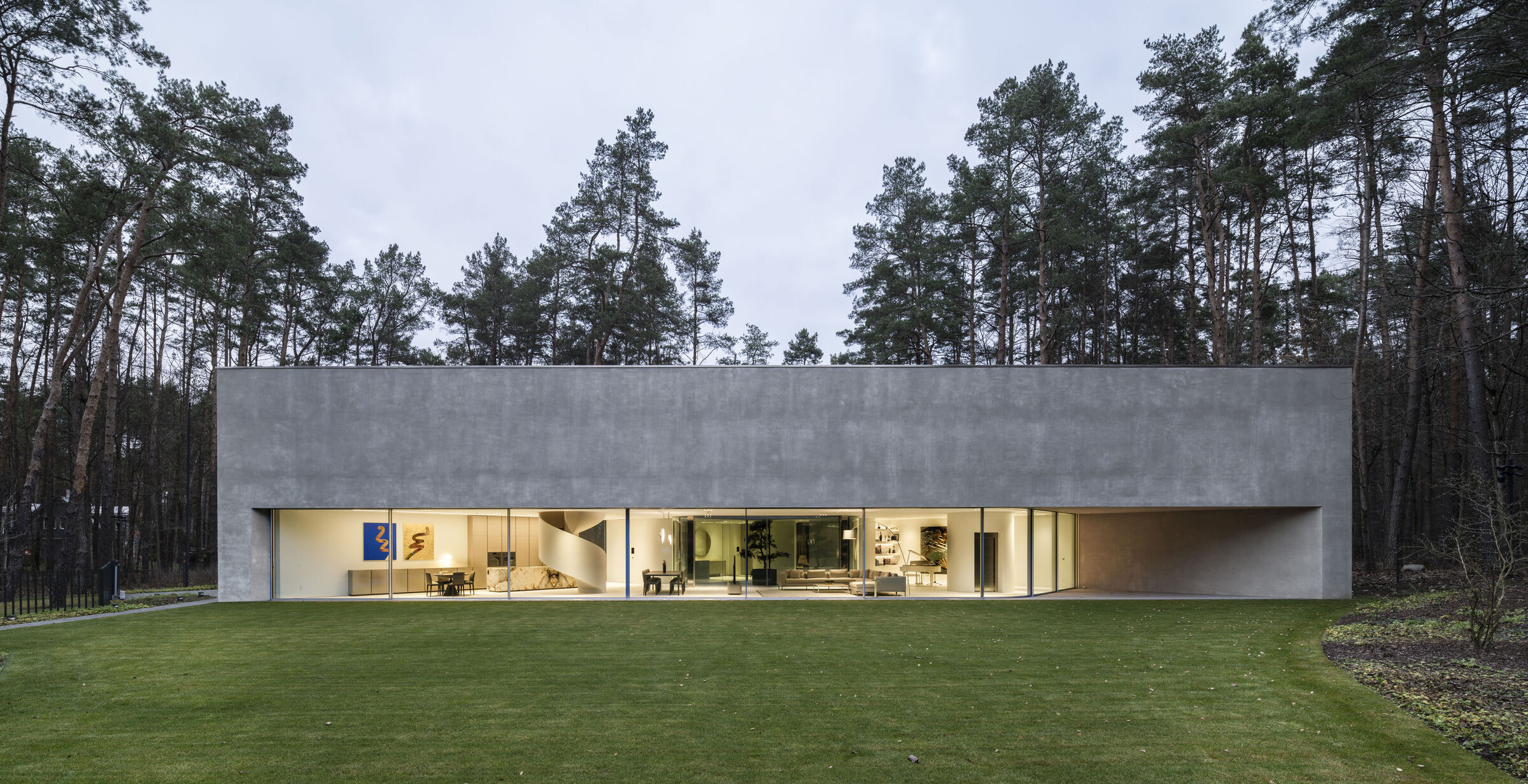
KWK Promes, founded by Robert Konieczny, continues to define contemporary Polish architecture through experimental buildings that respond dynamically to their surroundings. The studio's work often incorporates movement, transformation, and adaptable spatial strategies, producing projects that challenge conventional architectural typologies. From private houses to cultural institutions, its architecture consistently balances technical innovation with conceptual clarity, earning sustained international recognition.
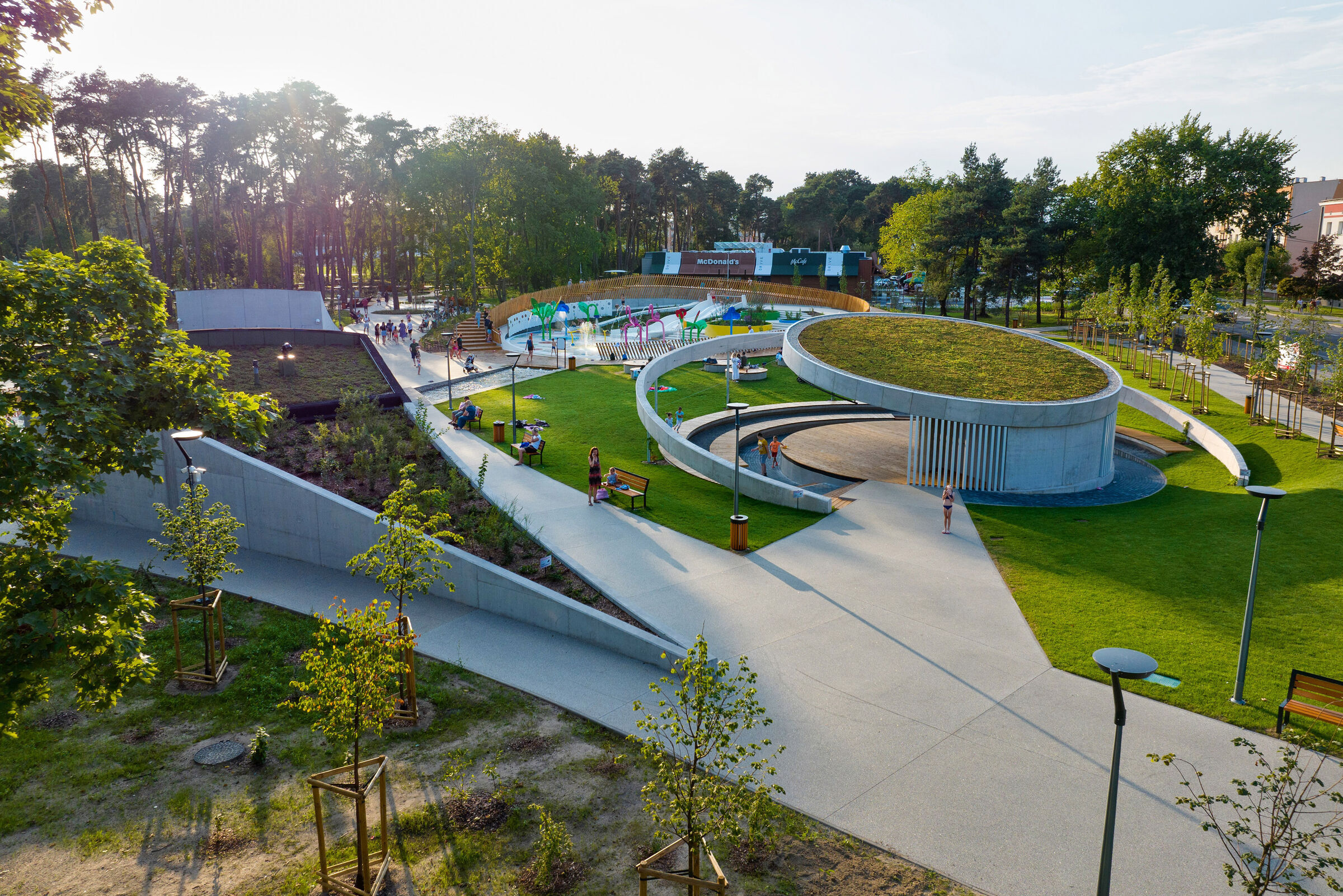
RS+ Robert Skitek approaches architecture as a catalyst for social interaction and urban renewal. Best known for its public spaces, waterfronts, parks, and civic projects, the studio prioritizes accessibility, environmental quality, and community engagement. Its work combines landscape and architecture into cohesive environments that encourage everyday public life while responding sensitively to local contexts.
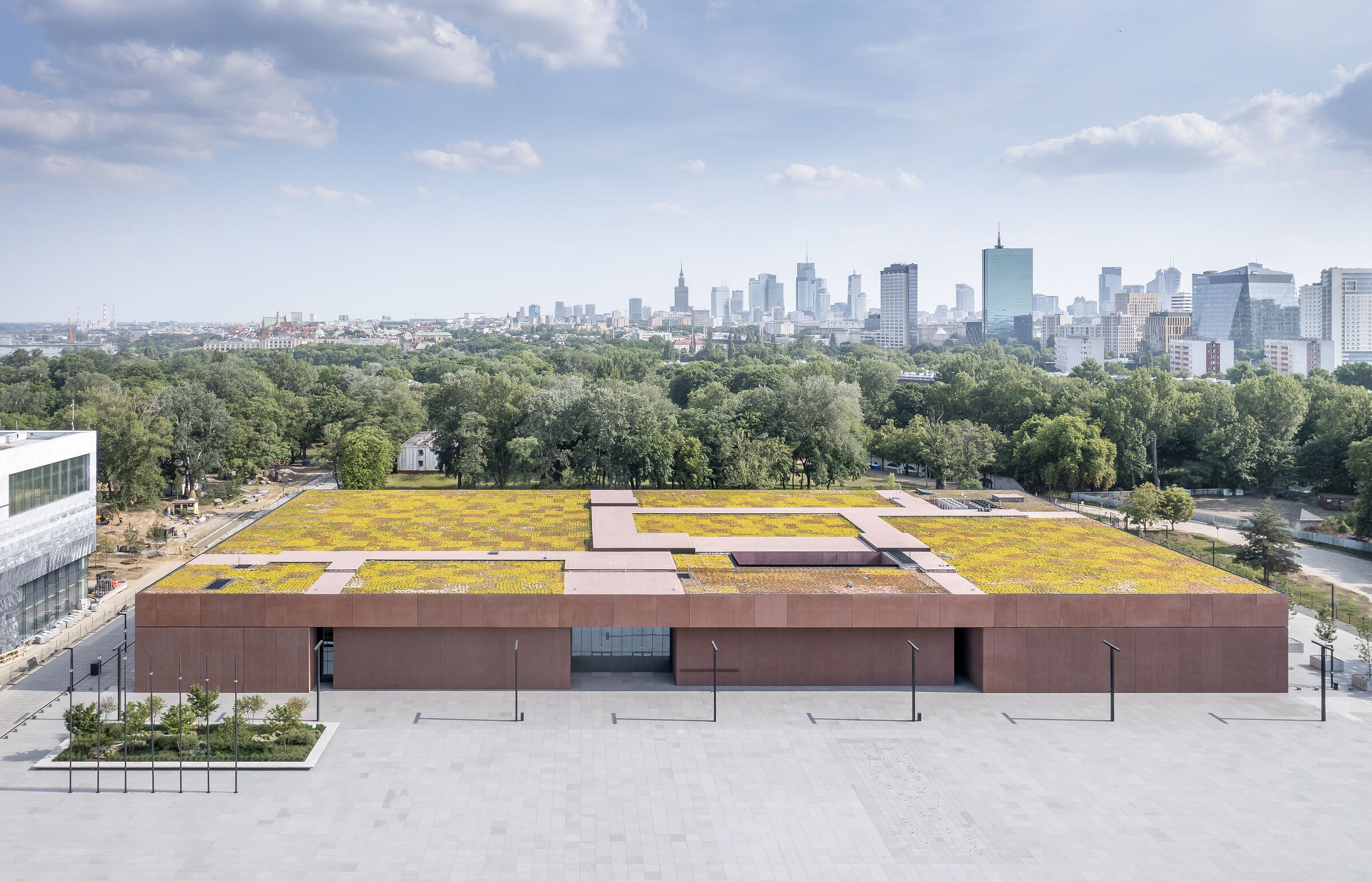
WXCA is one of Poland's leading multidisciplinary practices, recognized for cultural, civic, and research-driven architecture. Working across architecture, urbanism, and landscape, the studio creates projects that strengthen public identity while responding to environmental and historical conditions. Its museums, educational facilities, and public institutions demonstrate a refined balance between expressive form, sustainability, and long-term civic value.
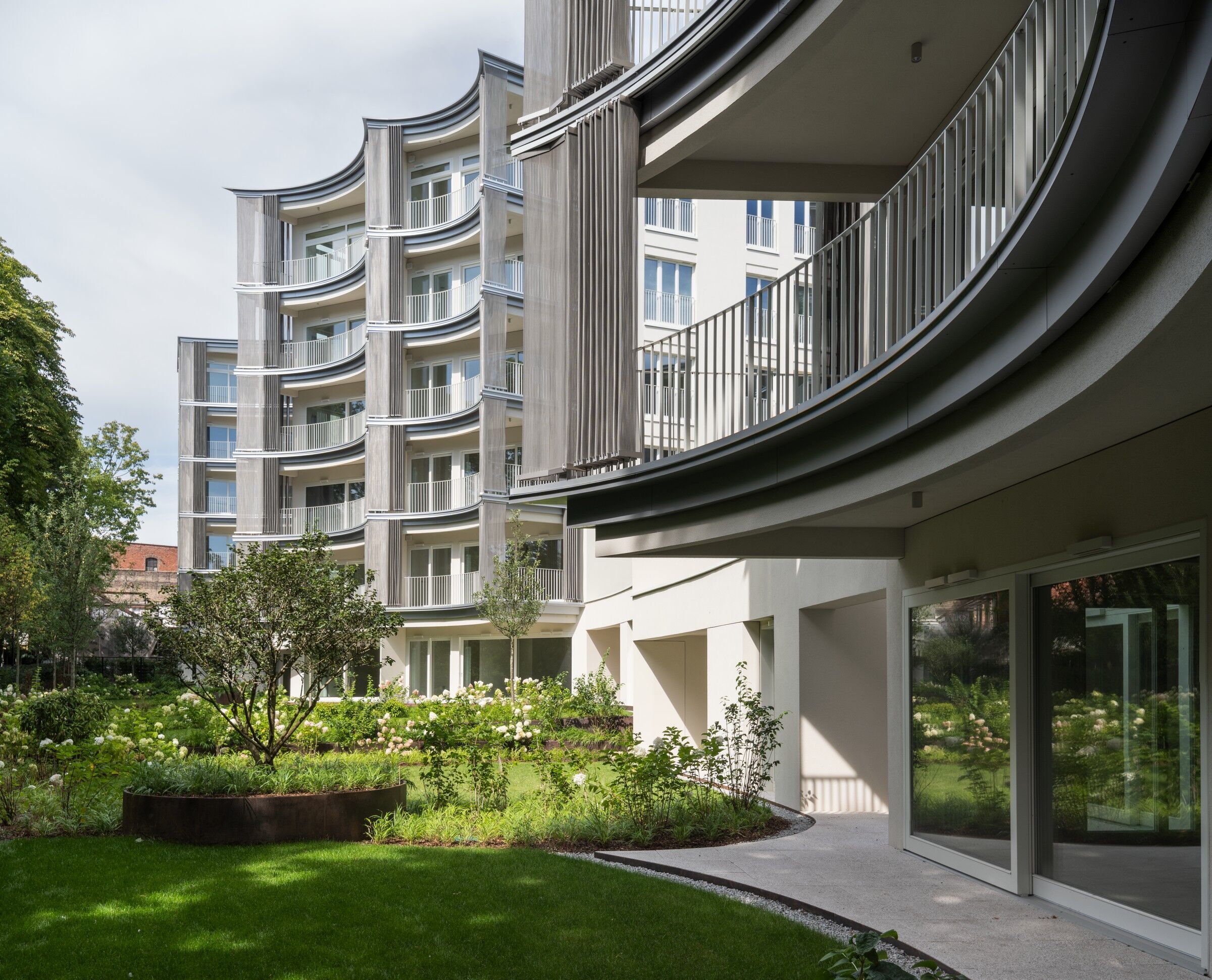
JEMS Architekci has established itself as one of Poland's most influential architectural practices through decades of carefully contextual public, commercial, and residential projects. The studio embraces an iterative design process rooted in dialogue, materiality, and urban continuity, allowing each project to emerge from its cultural and physical setting rather than predetermined formal gestures.
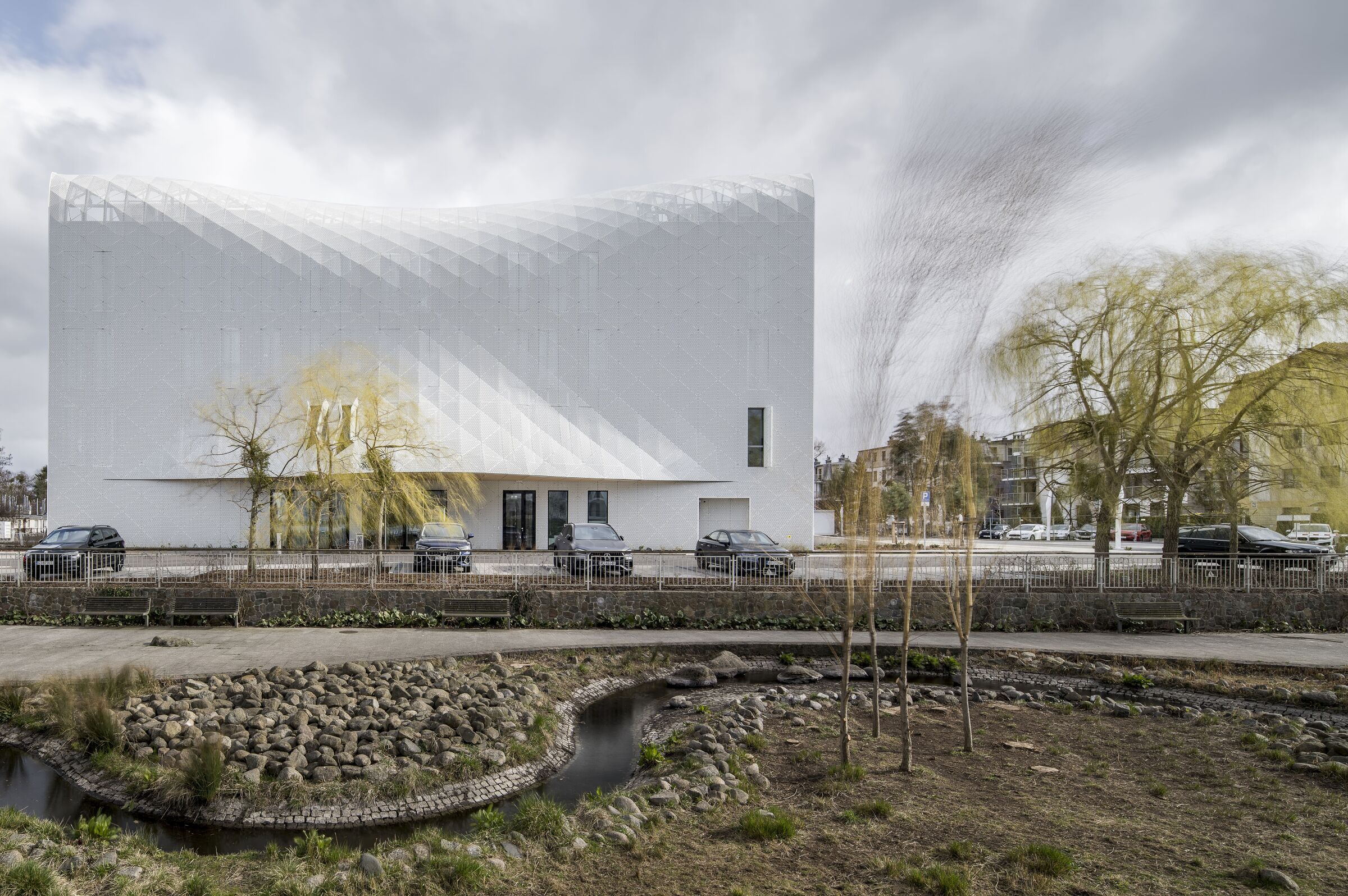
FAAB Architektura combines architecture, landscape, urban planning, and engineering through a research-based design methodology. The practice emphasizes resilience, adaptability, and interdisciplinary collaboration, producing projects that respond to evolving environmental and social challenges. Whether designing offices, public buildings, or masterplans, FAAB consistently explores innovative solutions grounded in technical precision.
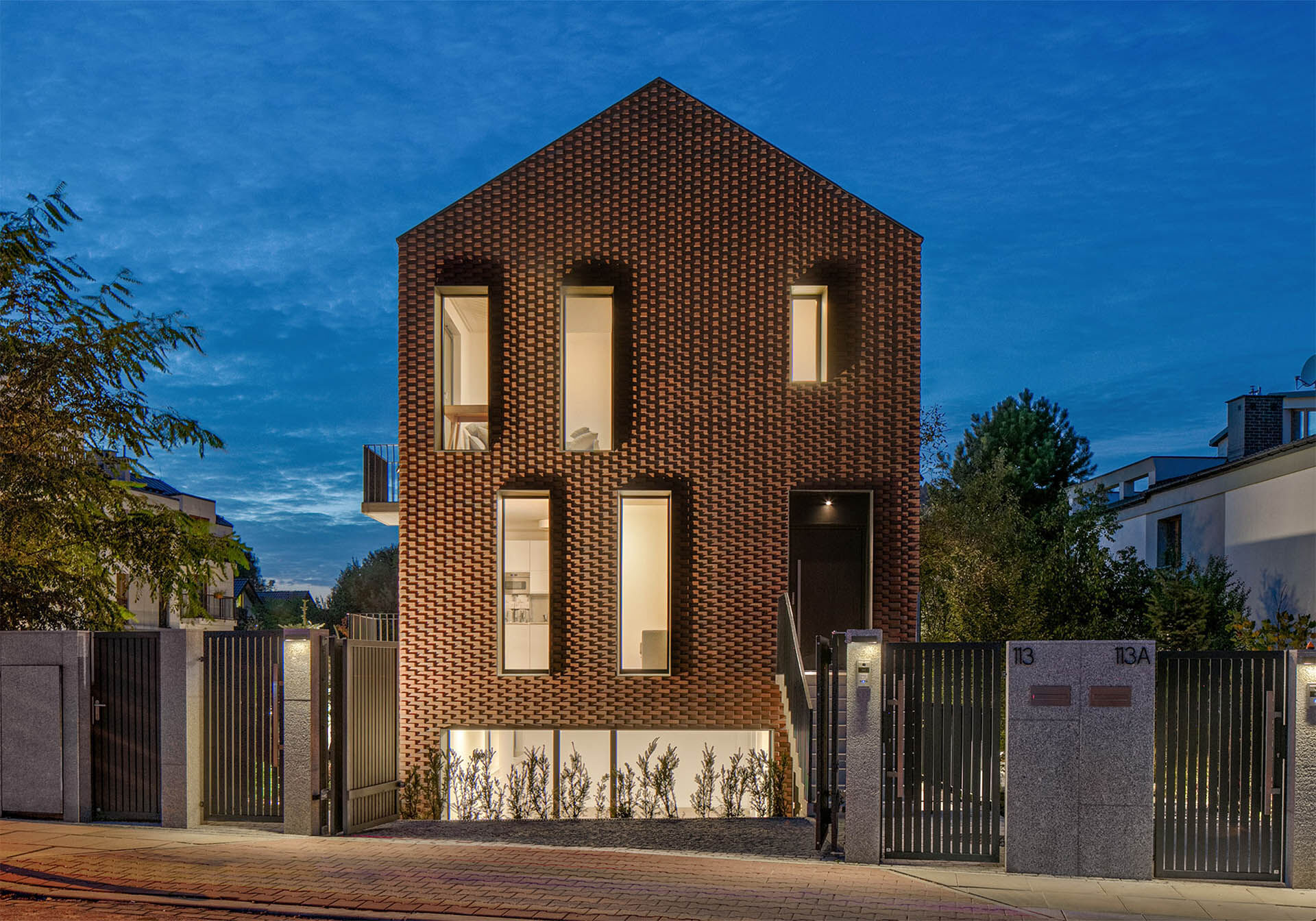
Founded by Bogusław Barnaś, BXB Studio reinterprets Polish vernacular architecture through contemporary forms and sustainable design principles. Drawing inspiration from regional traditions, craftsmanship, and landscape, the practice develops architecture that is both technologically advanced and culturally rooted. Its projects range from experimental houses to large public developments, unified by a strong relationship between nature and architecture.
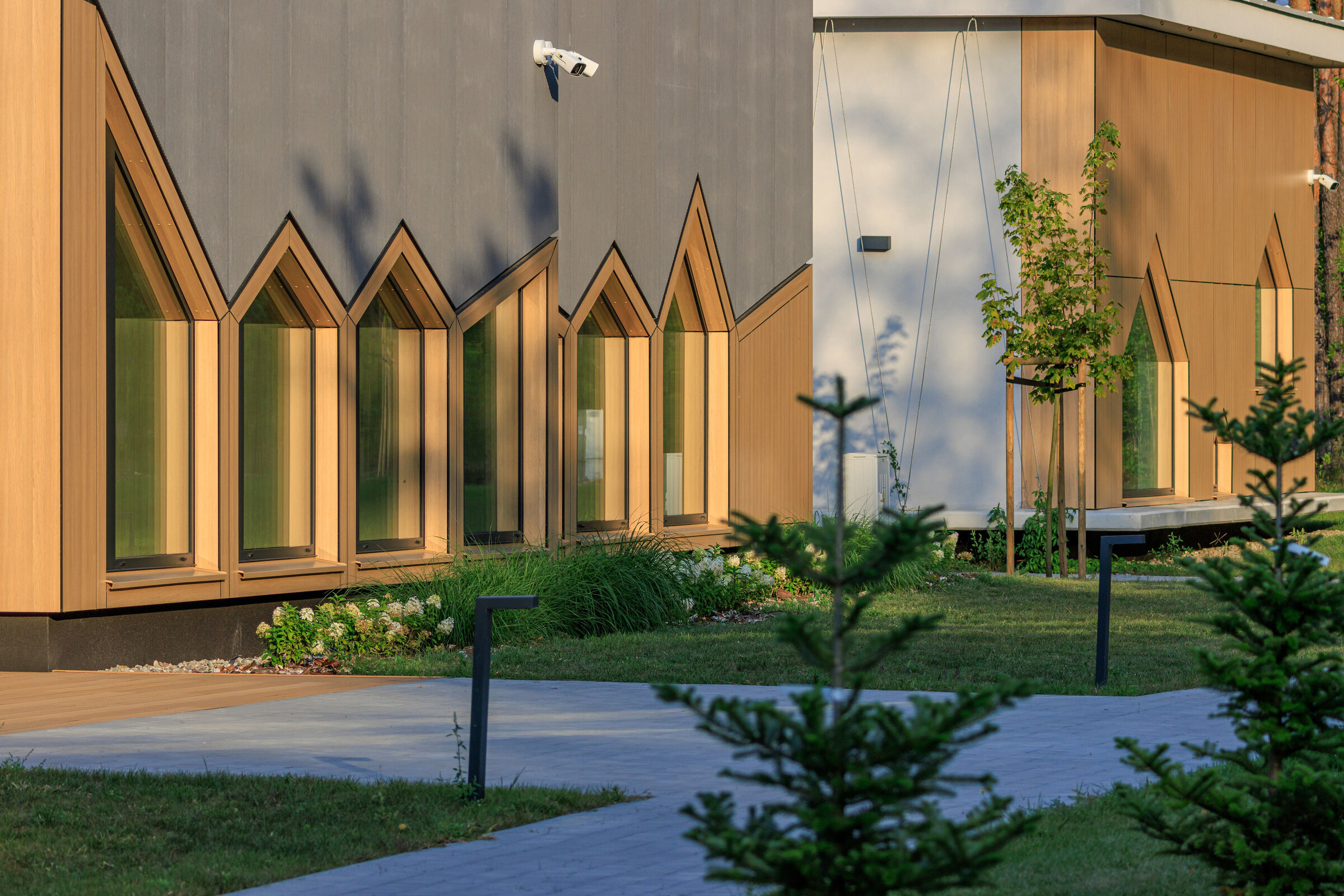
xystudio has become one of Poland's leading specialists in educational architecture, creating schools, nurseries, and care facilities centered on human well-being. Its projects prioritize psychological comfort, flexible learning environments, and carefully considered material palettes. Through thoughtful planning and user-focused design, the studio continues to redefine contemporary educational spaces across Poland.
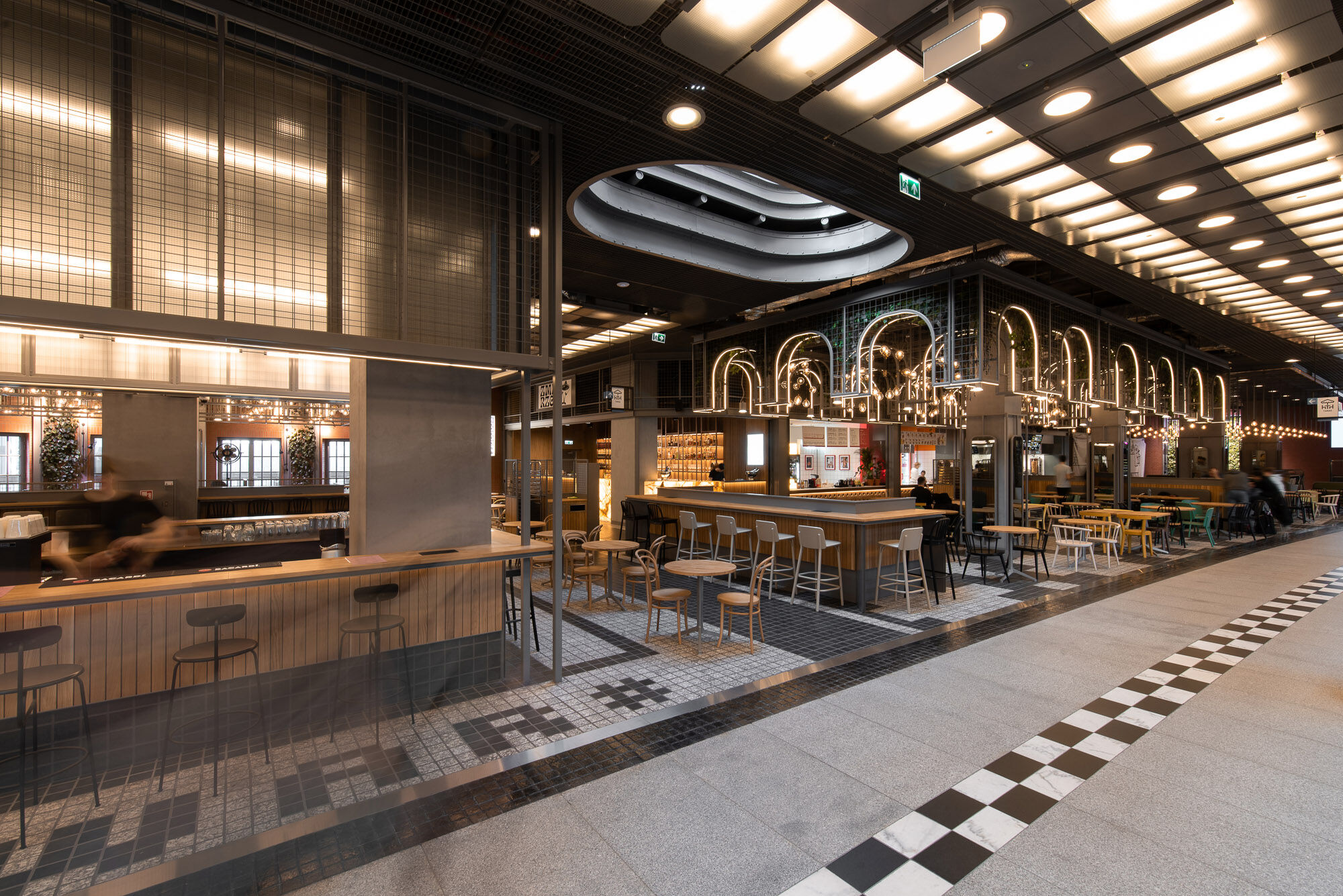
mode:lina™ designs immersive commercial, workplace, hospitality, and retail environments that place user experience at the center of the architectural process. The studio translates brand identity into engaging spatial narratives through flexible layouts, expressive interiors, and carefully crafted details. Its projects demonstrate how architecture can strengthen both business performance and everyday interaction.
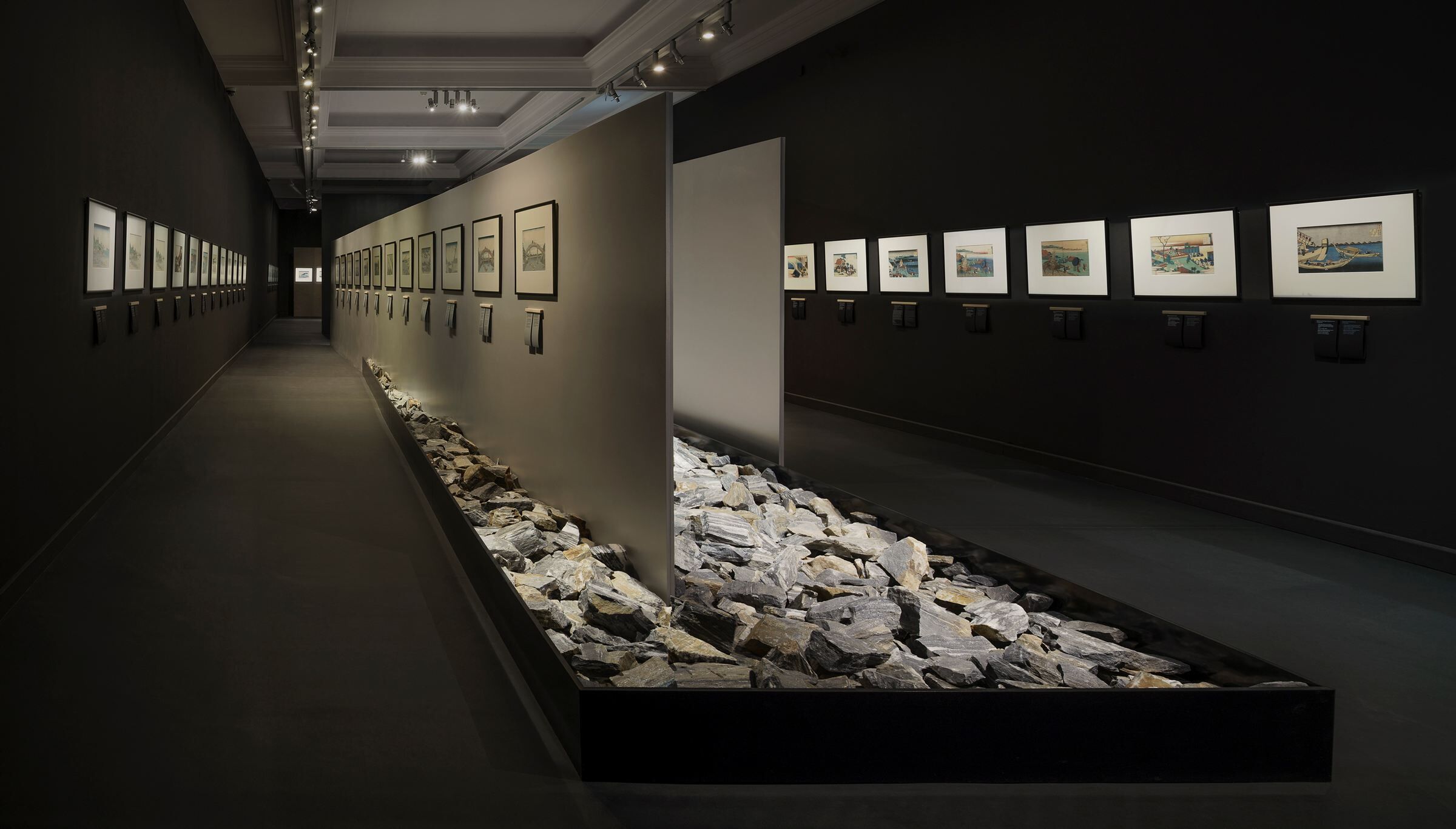
Led by Bartosz Haduch, NArchitekTURA explores the relationship between architecture, nature, and contemporary living through research-driven design. The practice integrates natural processes, local materials, and interdisciplinary collaboration into projects that respond thoughtfully to environmental conditions. Its architecture balances conceptual rigor with spatial simplicity while encouraging long-term sustainability.
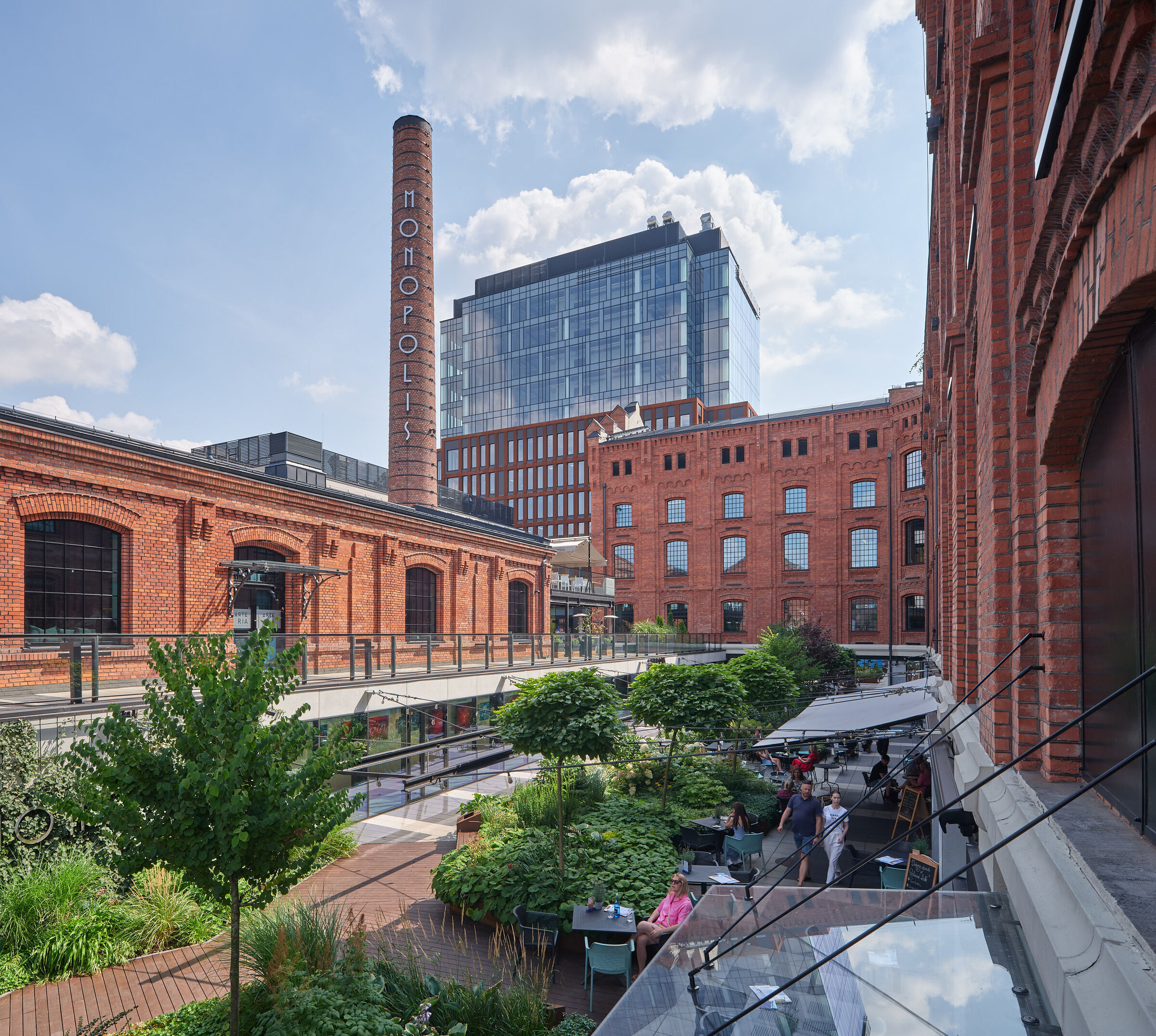
Grupa 5 Architekci is one of Warsaw's largest and most established architectural practices, delivering complex residential, commercial, educational, and transportation projects across Poland. The studio combines technical expertise with contextual sensitivity, often revitalizing existing urban environments while introducing sustainable solutions and refined architectural expression.
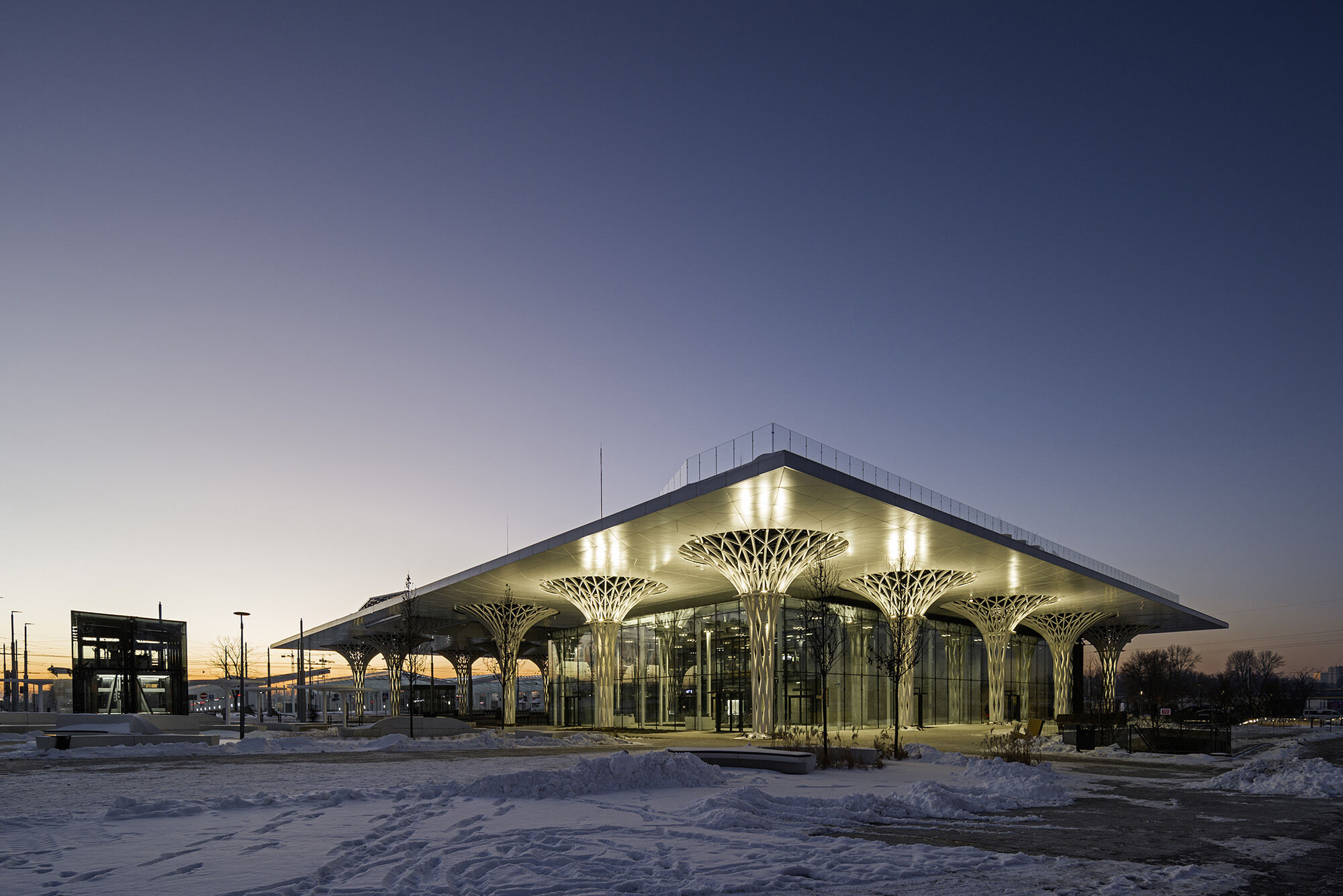
Tremend is recognized for delivering technically sophisticated civic, transportation, hospitality, and commercial architecture. The multidisciplinary practice combines engineering precision with strong architectural identity, producing projects that prioritize functionality, user experience, and long-term flexibility. Its recent transportation hubs exemplify the firm's ability to merge infrastructure with high-quality public space.
12. RYSY Architekci Rafał Sieraczyński
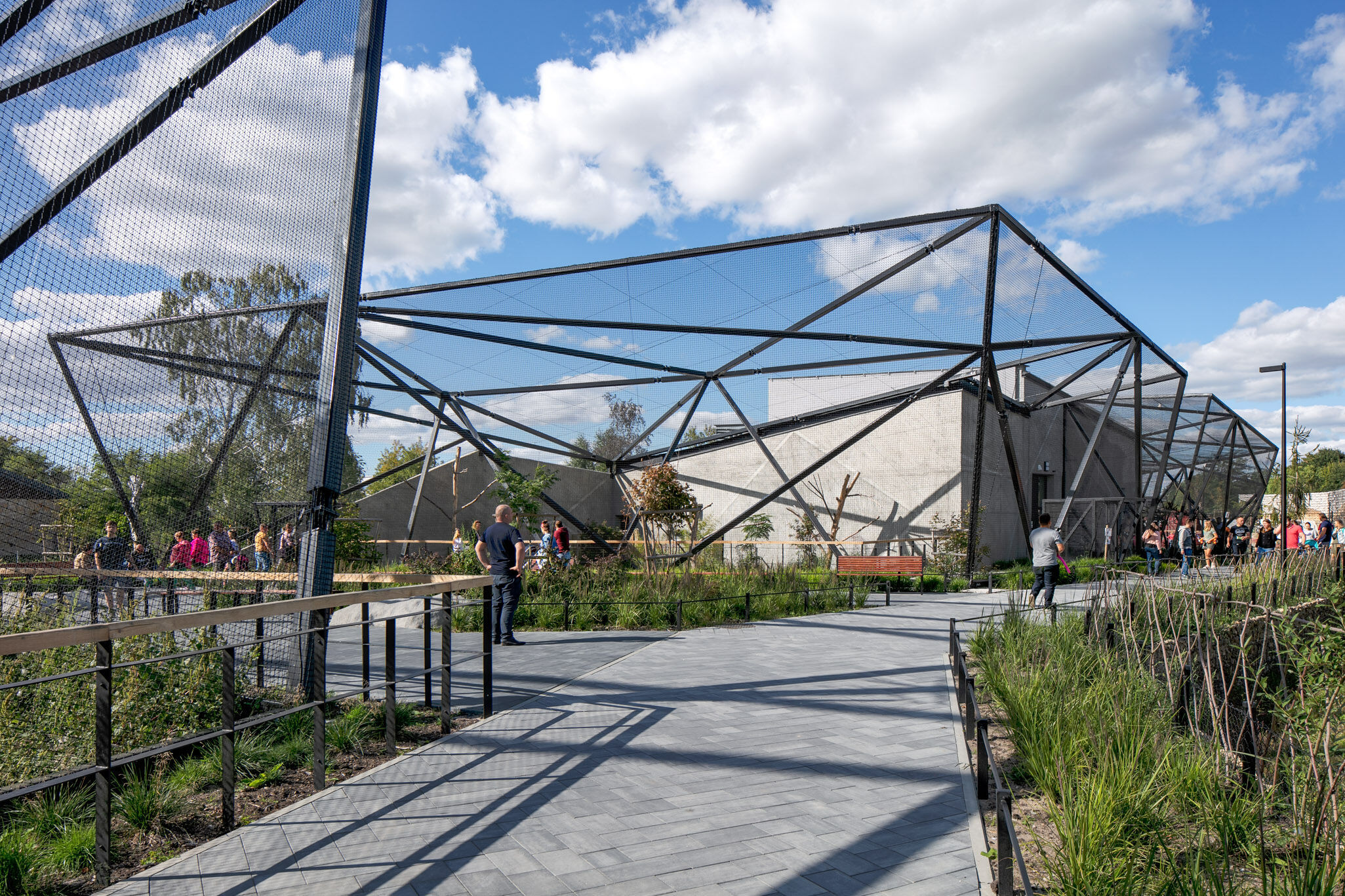
RYSY Architekci Rafał Sieraczyński creates civic architecture through a restrained design language rooted in clarity, repetition, and material honesty. Working across public buildings, urban spaces, and educational projects, the practice develops architecture that strengthens local identity while remaining highly functional. Modular construction systems and contextual design play a central role throughout its portfolio.
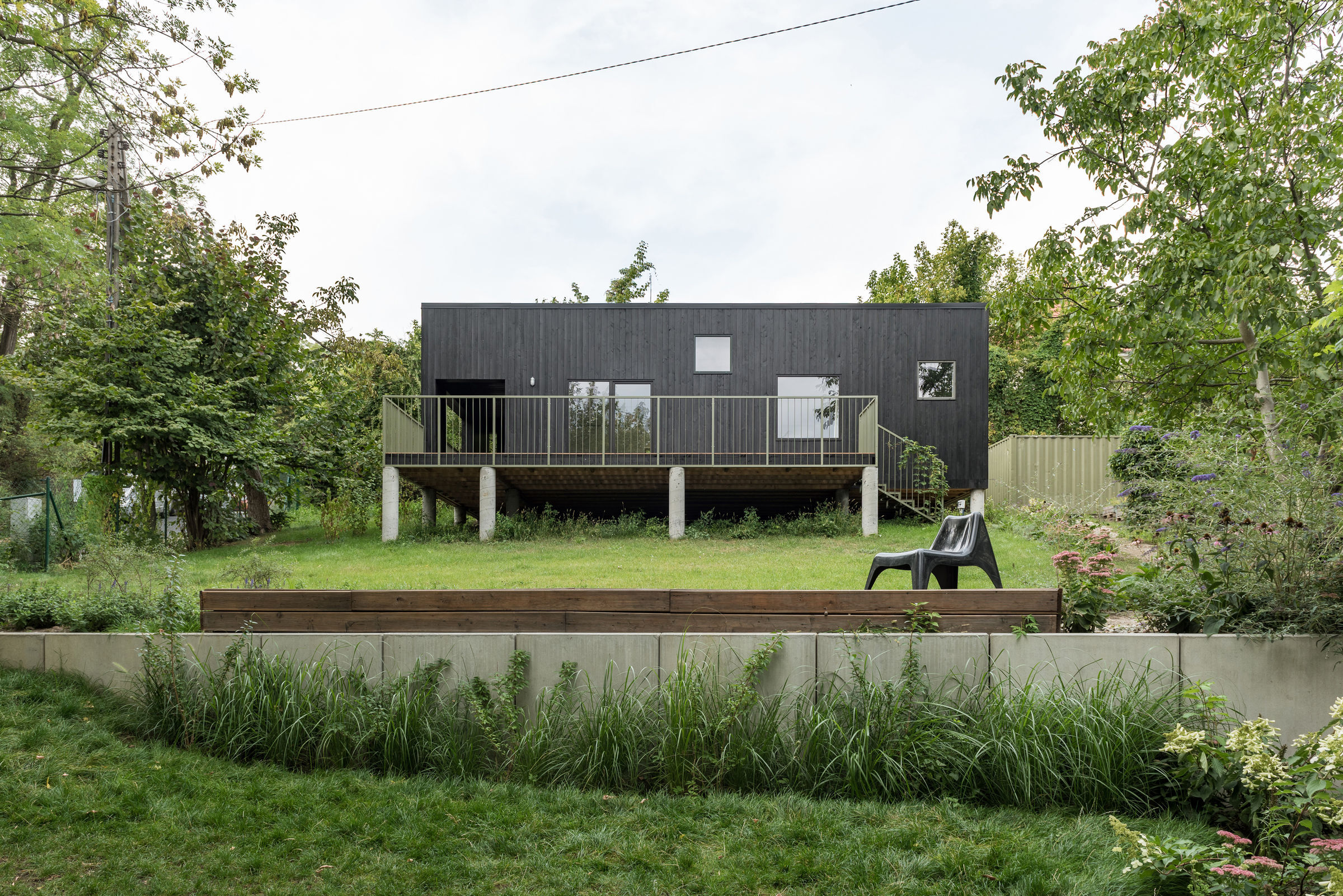
wiercinski-studio is known for its sculptural residential architecture, interiors, and bespoke furniture that together create highly personal spatial experiences. Led by Adam Wierciński, the practice emphasizes craftsmanship, natural materials, and custom detailing, producing architecture that is expressive without becoming excessive. Each project reflects a close dialogue between client, place, and construction.
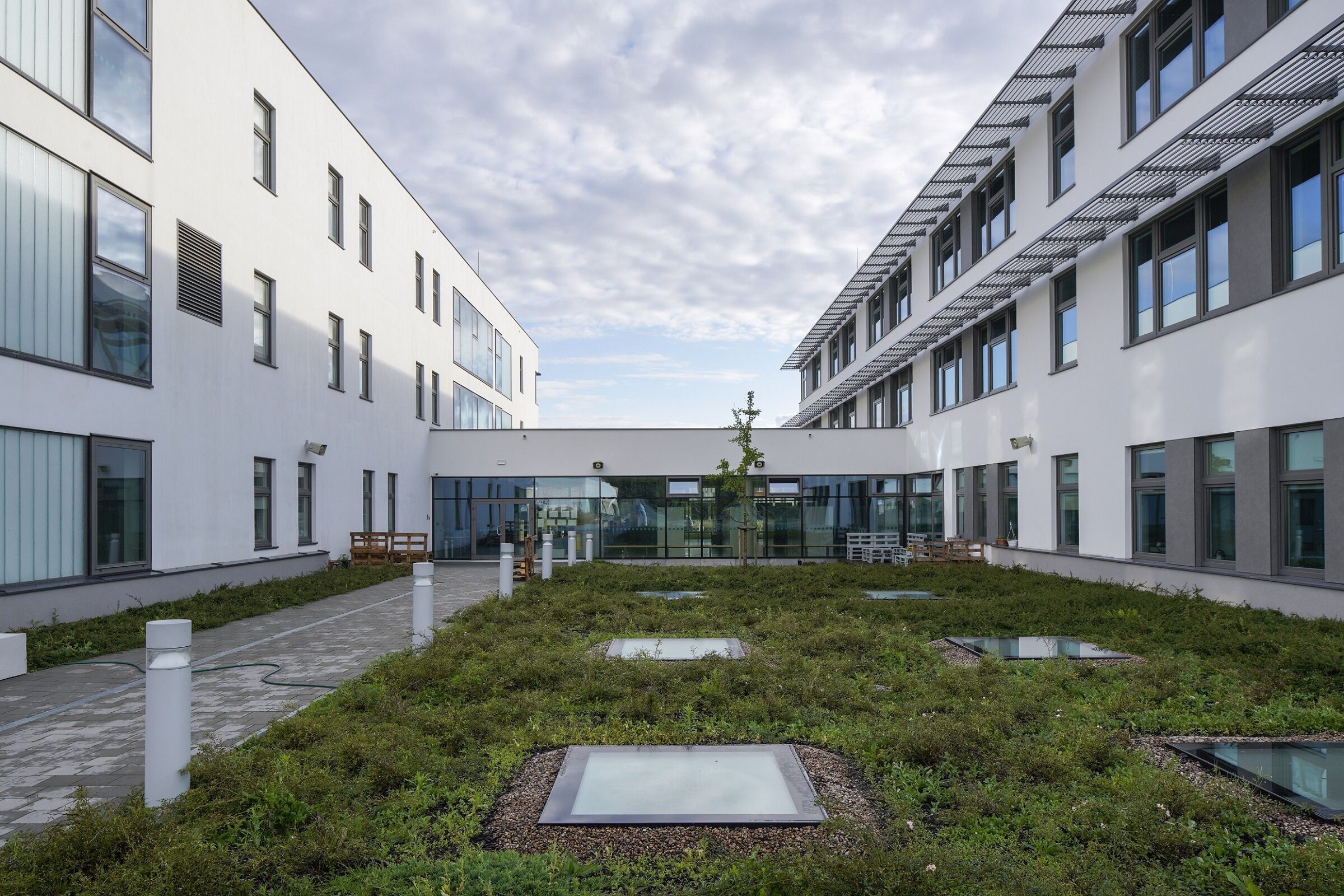
Piotr Hardecki Architekt works across architecture, urban planning, and landscape design with a strong emphasis on public space and social infrastructure. The studio approaches each commission through careful spatial organization, durable material choices, and contextual integration, delivering civic and educational buildings that prioritize usability, accessibility, and long-term public value.
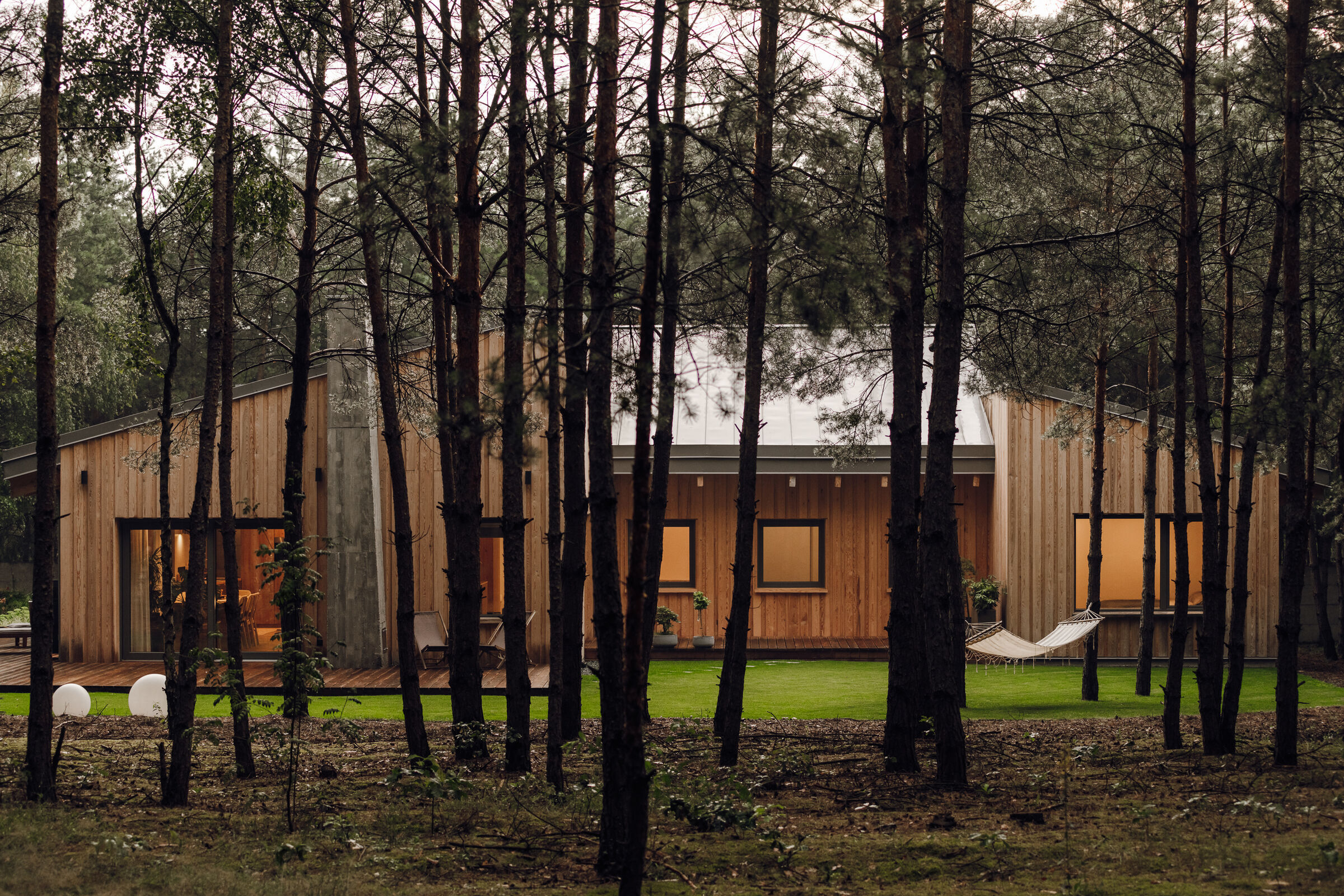
Studio GAB specializes in residential architecture and adaptive reuse projects that combine contemporary construction with a sensitive understanding of place. Founded by Katarzyna Osipowicz-Grabowska and Piotr Grabowski, the practice emphasizes durability, environmental responsibility, and refined detailing. Its work demonstrates how modest architectural interventions can produce warm, highly livable spaces rooted in local character.
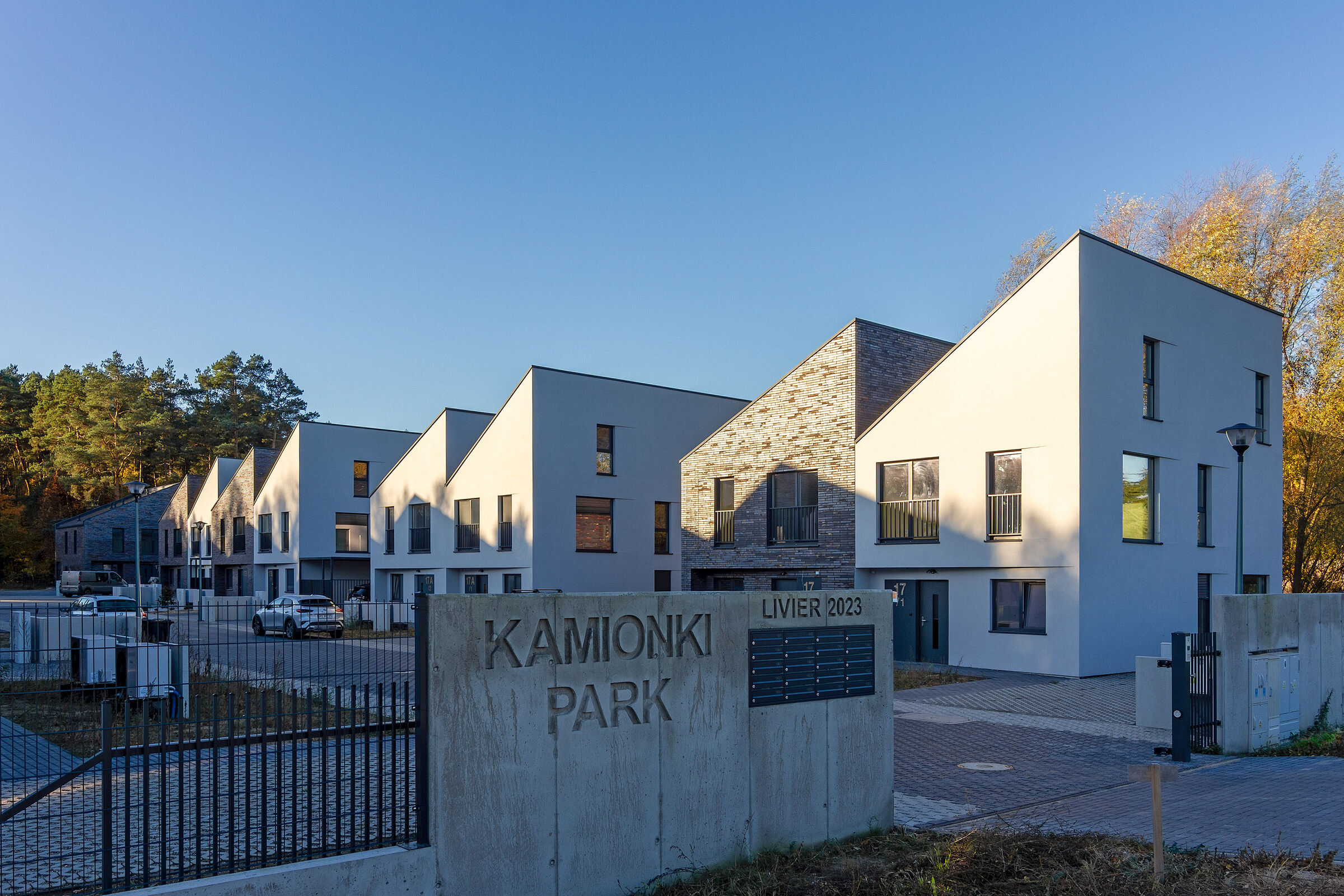
Neostudio Architekci has built a reputation for delivering public, sports, educational, and residential architecture that balances functionality with refined contemporary design. The Poznań-based practice emphasizes clear spatial organization, economic construction methods, and sensitivity to local context. Its projects consistently demonstrate how carefully planned architecture can strengthen both urban environments and everyday public life.
17. Superhelix Pracownia Projektowa
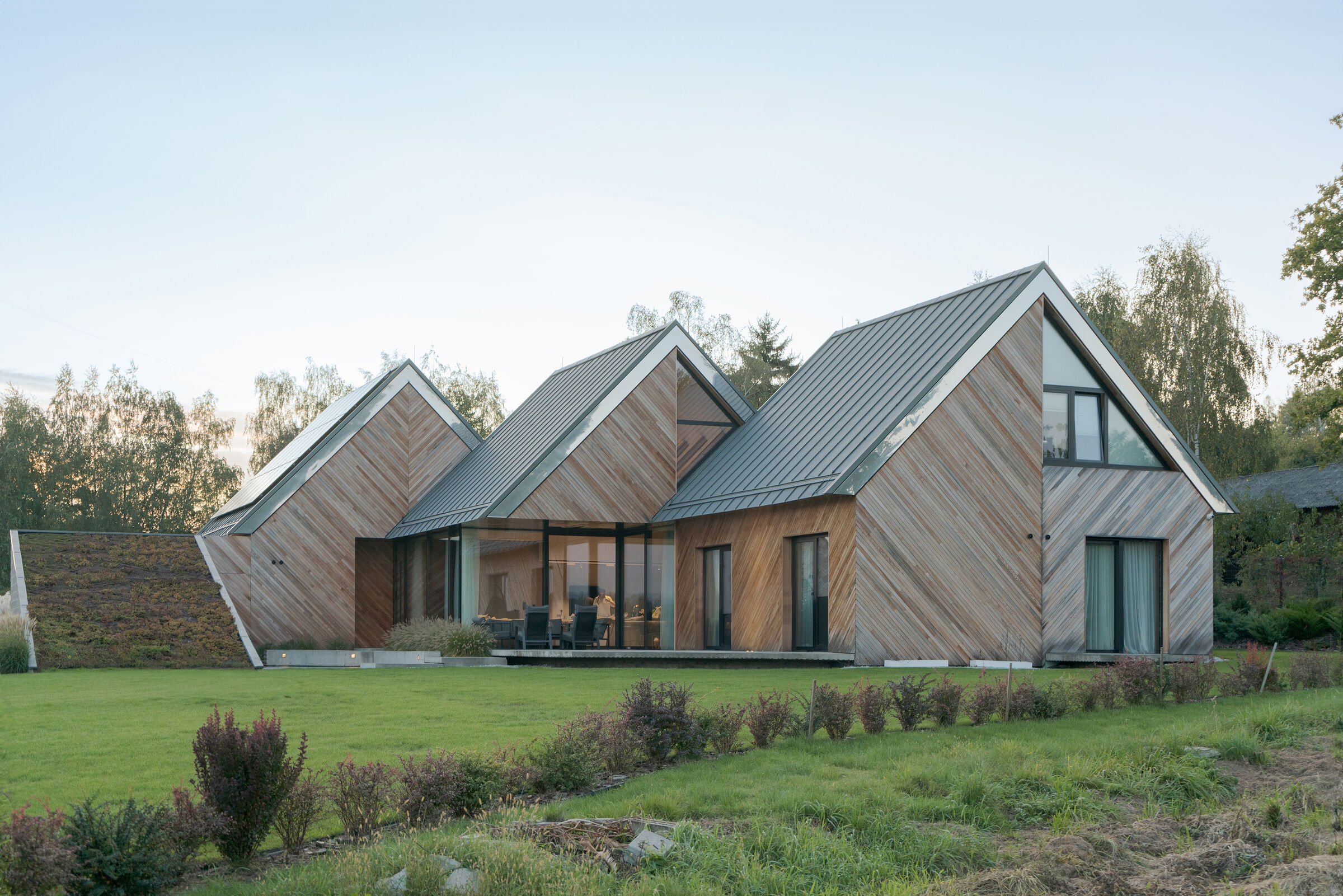
Superhelix Pracownia Projektowa approaches architecture as a layered design process, integrating research, prototyping, and construction into a cohesive methodology. Working primarily across residential and mixed-use projects, the Kraków-based studio explores inventive forms, precise detailing, and contextual responses while maintaining a strong emphasis on craftsmanship and technical execution.
18. Major Architekci
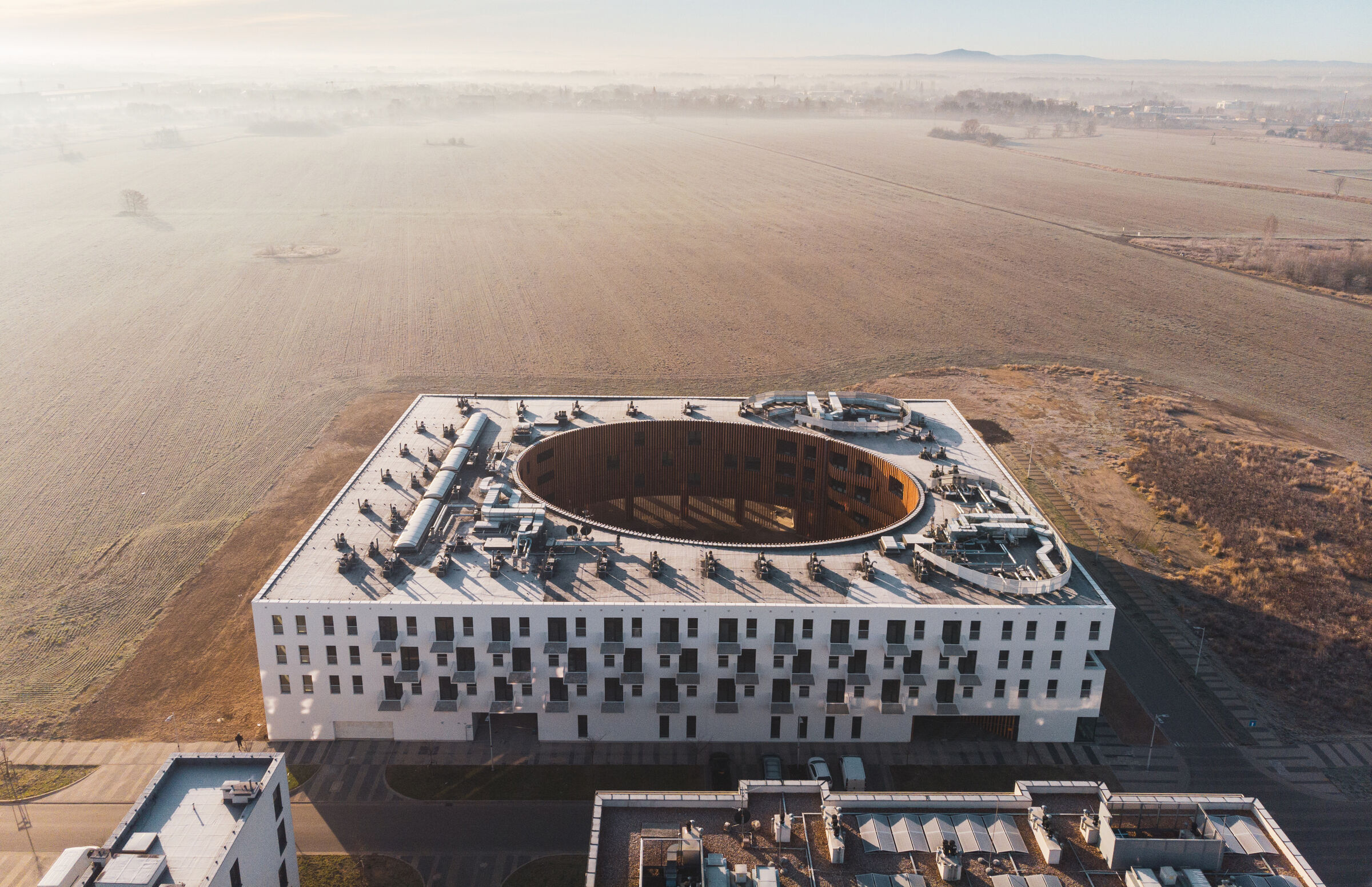
Major Architekci is recognized for socially responsive architecture that addresses housing, education, and public infrastructure through thoughtful spatial planning. The Wrocław-based practice prioritizes inclusivity, adaptability, and environmental performance, producing buildings that foster community while maintaining a restrained and durable architectural language. Its work reflects a consistent commitment to improving everyday urban life.
19. IFA group | Kamil Domachowski
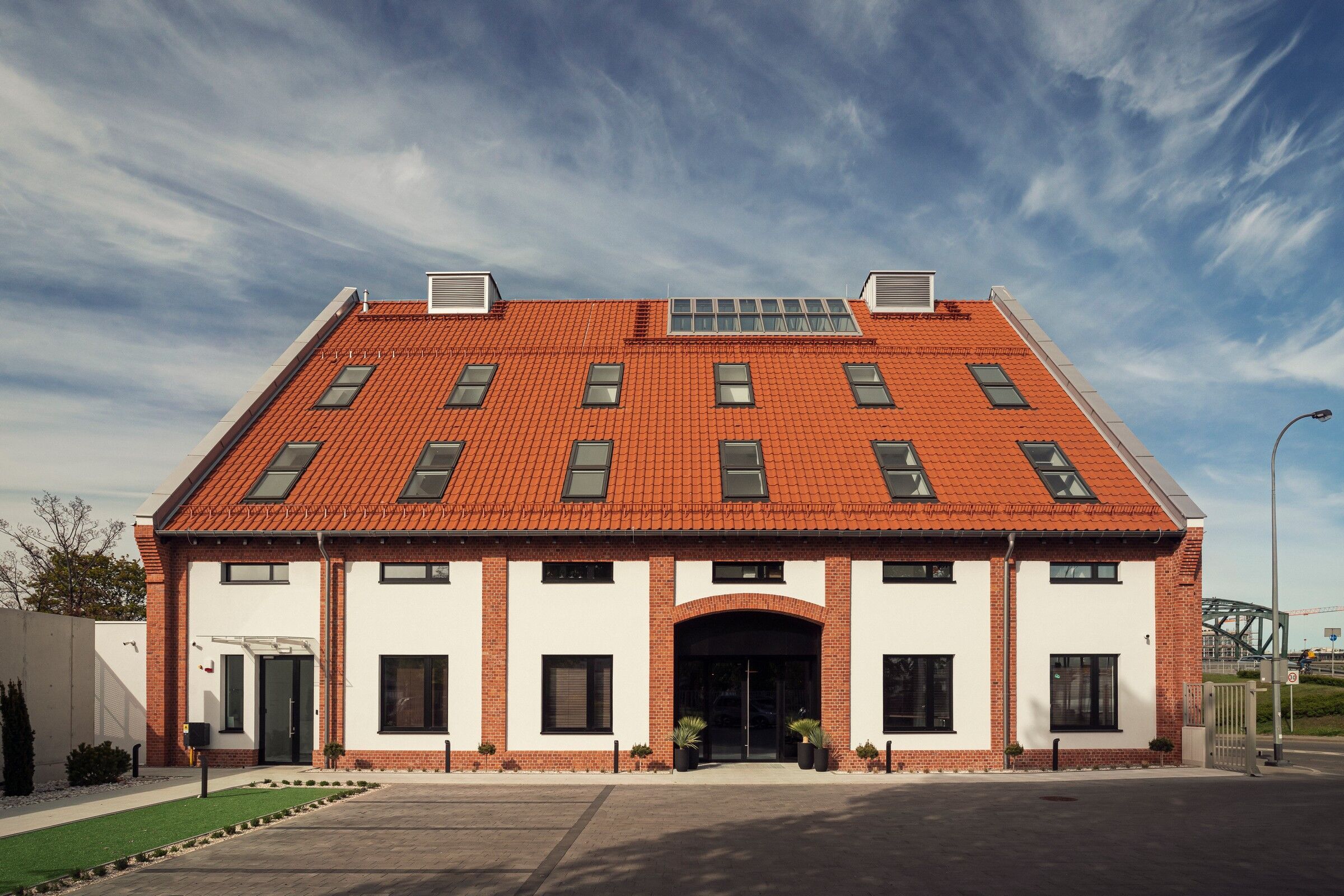
IFA group approaches architecture through reduction and clarity, distilling each project to its essential spatial and material qualities. Founded by Kamil Domachowski, the practice creates refined residential and commercial architecture shaped by close dialogue with clients and careful consideration of context. Its award-winning projects demonstrate how minimalist design can achieve both warmth and functionality.
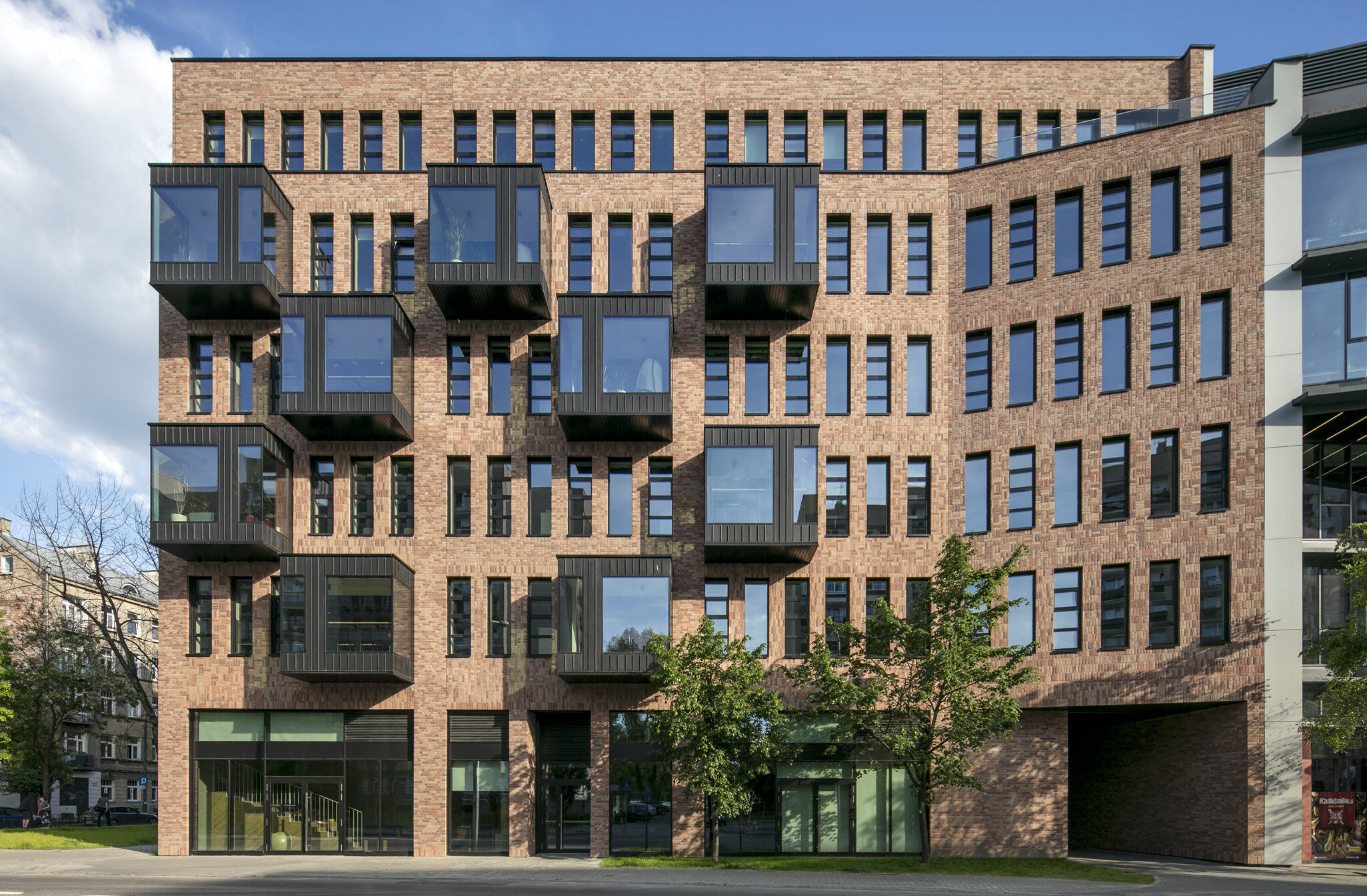
STOPROCENT Architekci is a Warsaw-based practice known for its carefully detailed residential architecture and rigorous design process. Drawing on experience gained through larger international commissions, the studio applies precise proportions, honest material palettes, and clear spatial logic across projects of varying scales. Its architecture emphasizes longevity, simplicity, and contextual sensitivity over formal spectacle.
21. MUS ARCHITECTS
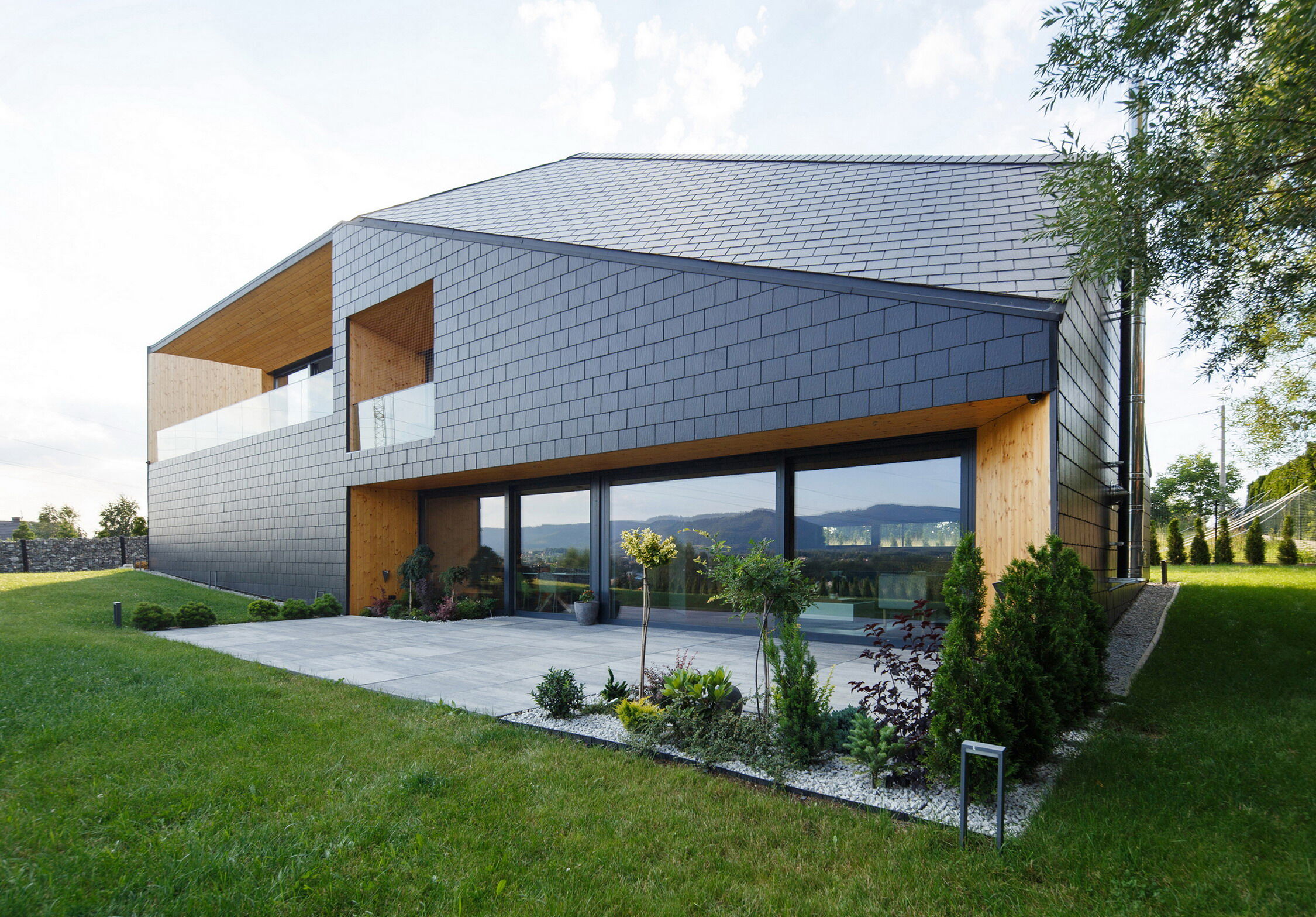
MUS ARCHITECTS—short for Made Up Space—explores architecture through bold conceptual thinking and inventive spatial composition. Founded by Anna Porębska and Adam Zwierzyński, the Katowice-based studio works across architecture, interiors, and competitions, producing projects that balance sculptural expression with practical functionality. Innovation and experimentation remain central to its evolving design language.
22. BUDCUD
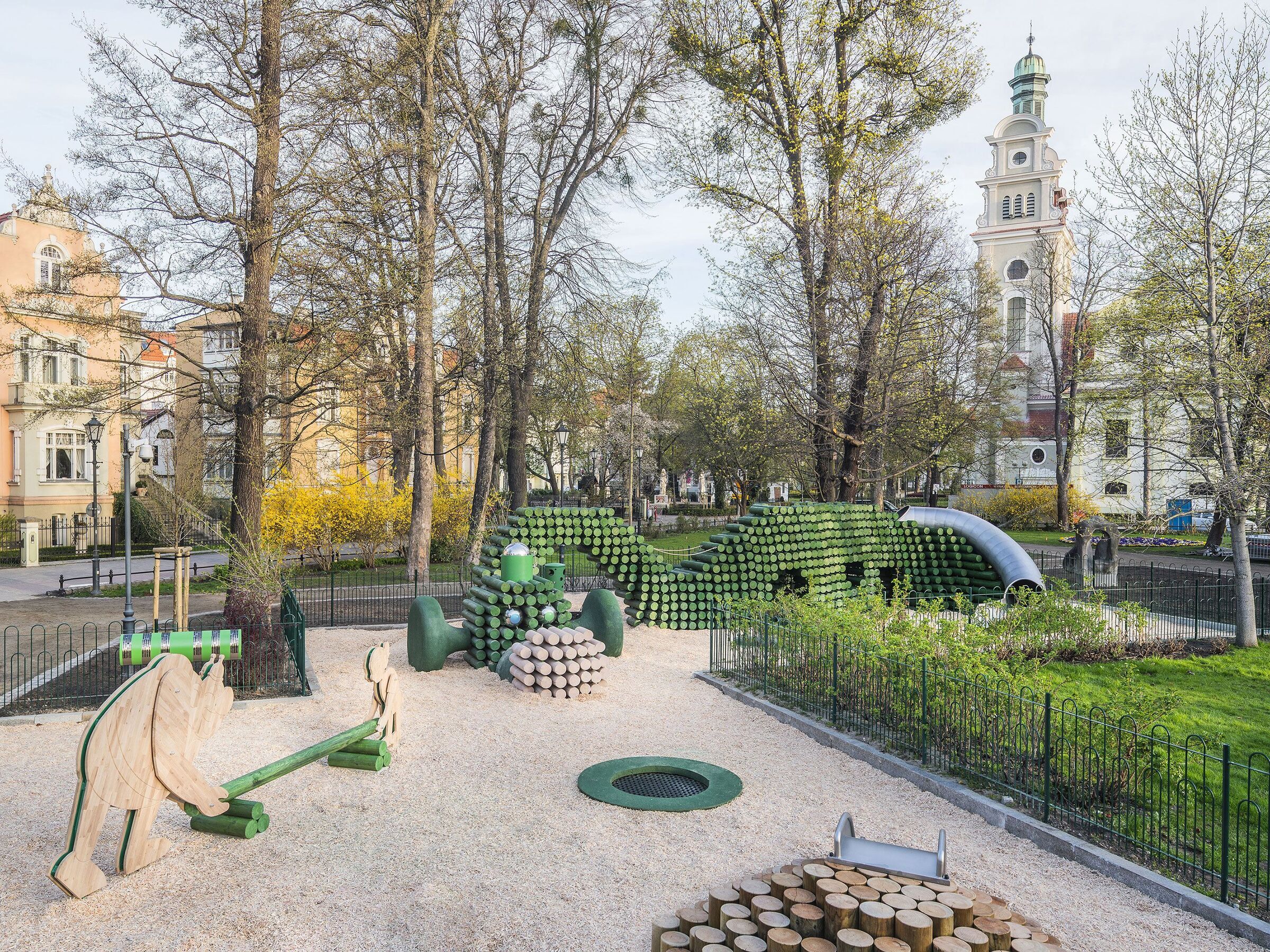
BUDCUD is a Kraków-based practice known for creating architecture that merges cultural storytelling with contemporary spatial design. Working across exhibitions, public installations, architecture, and urban interventions, the studio develops projects that embrace experimentation, layered experiences, and playful interactions. Its work often blurs the boundaries between architecture, art, and public life while remaining grounded in careful contextual analysis.
23. TTAT
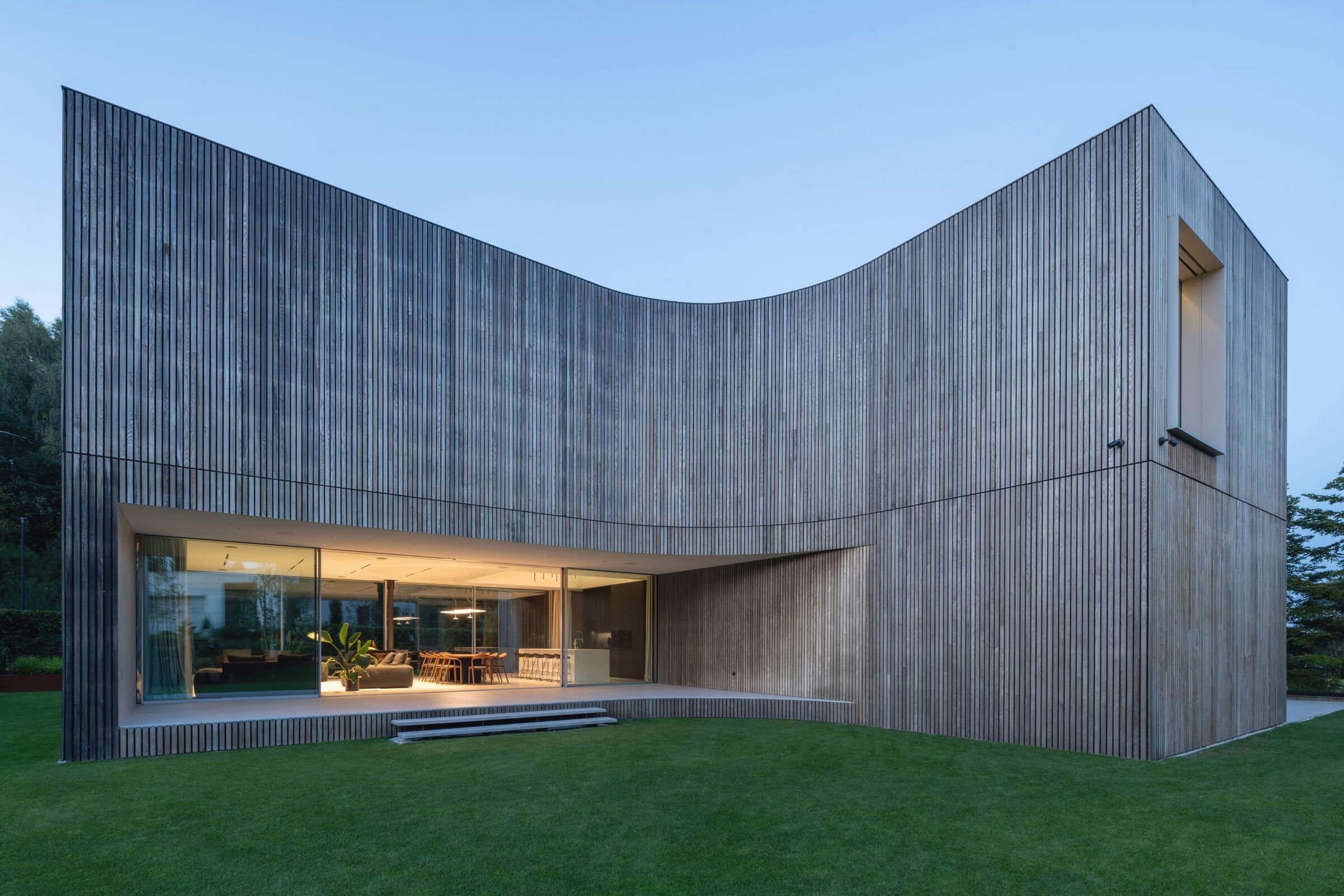
TTAT is a Katowice-based architecture studio whose work spans architecture, urban planning, and interiors. Guided by careful observation of geographical, historical, and cultural conditions, the practice develops projects that respond directly to their surroundings while embracing contemporary materials and construction methods. Its architecture reflects a balance between experimentation and disciplined execution.
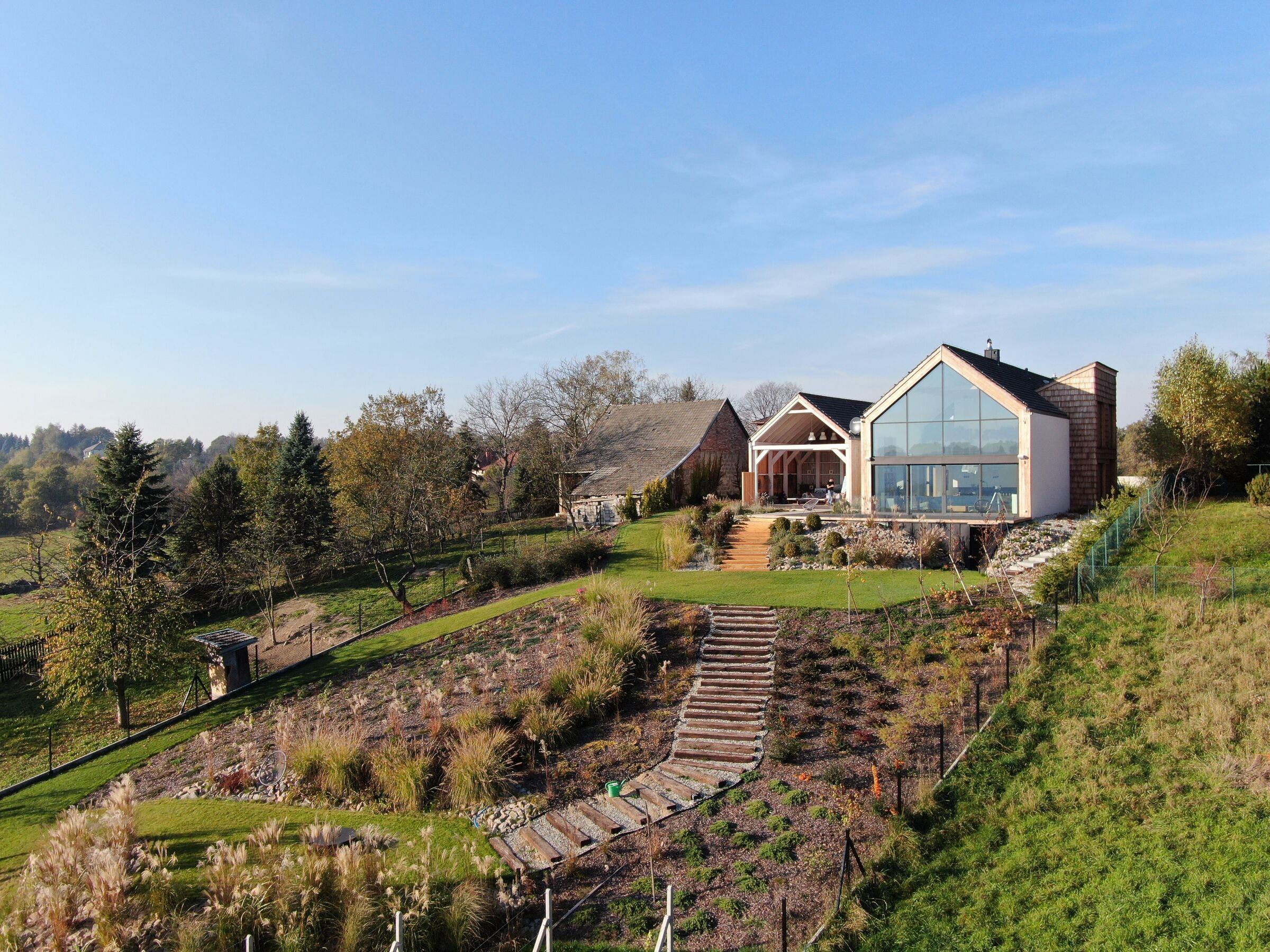
Górnik Architects is a multidisciplinary Polish practice recognized for reinterpreting traditional residential architecture through contemporary forms and sustainable design. The studio combines simple geometries, natural materials, and carefully considered site responses to create homes that balance functionality with a strong architectural identity. Working across residential, hospitality, and commercial projects, Górnik Architects consistently explores the relationship between modern living, craftsmanship, and the surrounding landscape.
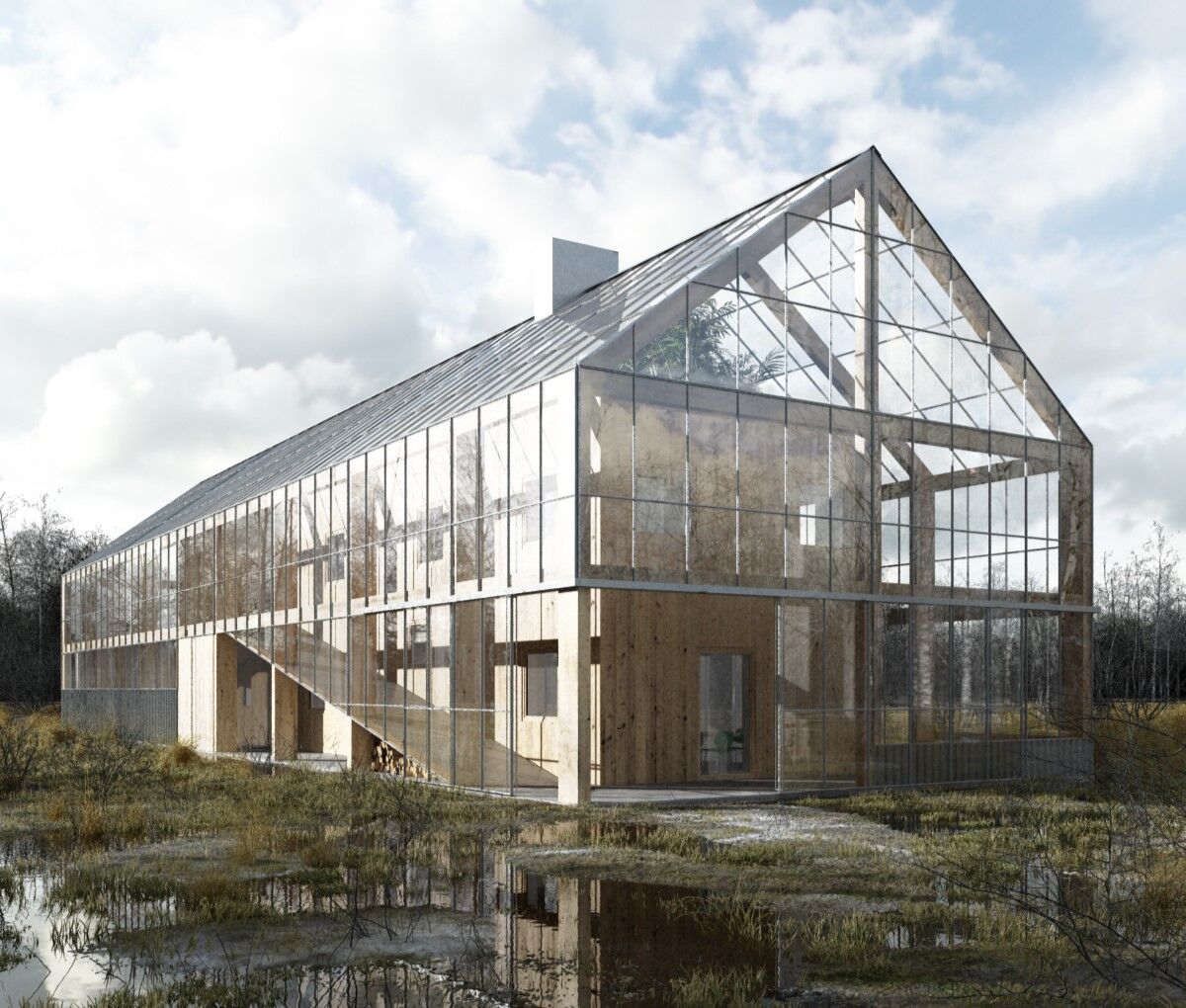
TEŻ Architekci is a Poznań-based practice recognized for its refined contemporary residential architecture and carefully crafted spatial compositions. Led by Małgorzata Siekanko, Paulina Wielgosz-Konewka, and Marta Sękowska-Kulińska, the studio develops projects rooted in simplicity, proportion, and close dialogue with the landscape.
The selection was curated by the Archello editorial team based on the quality and depth of each firm's Archello portfolio, the significance of the firms' recent built work, editorial visibility, and current recognition across the international architecture community.