Sustainability Report
Embodied carbon
The project implemented several strategies to minimize embodied carbon:
-
Building on Existing Substructure: Agrotopia is built directly on the roof of the existing REO vegetable and fruit auction building, avoiding the need for a new concrete foundation on open ground. This significantly reduces the embodied carbon associated with new ground-level foundations.
-
Lightweight Construction: The project utilizes the lightweight modular construction of the Venlo greenhouse, which is highly efficient in terms of steel usage.
-
Optimized Steel Usage: The new lightweight greenhouse structure is designed to maximize the load capacity of the existing concrete base, allowing for efficient use of materials.
-
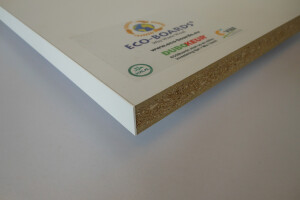
Wooden Interior Structures: The interior boxes in the reception area are built with wooden structures, which typically have a lower embodied carbon footprint than steel or concrete.
-
Lightweight Suspended Concrete Floor Tiles: Used to level the existing roof, these are designed to be lightweight, potentially reducing the material volume compared to a solid slab.
Operational Emissions / Energy
Agrotopia employs comprehensive strategies to achieve low operational emissions:
-
Energy-Saving Agricultural Fabrics: High-tech agricultural fabrics are used for energy saving, shading, and heat reflection with single-glazing facades.
-
Residual Heat Supply: The greenhouse is heated by municipal residual heat from the nearby Mirom waste incinerator, establishing a circular energy symbiosis with the city.
-
Climate Zoning: The building is divided into three climate zones — a research greenhouse zone (plant climate), a reception zone (human climate), and a buffer zone for public routing and logistics. This approach reduces the well-insulated, climate-controlled areas to limited zones, while the buffer zone also reduces overall energy demand.
-
Passive Heating (Buffer Zone): On cold but sunny days in intermediate seasons, the intermediate buffer zone is directly heated by the sun, reducing the heat demand in the cultivation boxes.
-
Low-Energy Cooling Methods:
-
Evaporative cooling and natural ventilation are used as cooling methods to achieve comfortable interior temperatures in summer, both in cultivation compartments and in buffer/circulation spaces.
-
High-pressure misting/adiabatic cooling is used to locally reduce perceived temperatures for visitors and staff in public areas during hot days.
-
Service and maintenance emissions
The project's strategies related to service and maintenance emissions include:
-
Circular Water Use: All rainwater collected from the roof is used for irrigation, and residual water is cleaned and reused. This reduces the demand for fresh water and the energy associated with its treatment and supply, as well as wastewater treatment.
-
Durable Materials: The use of glass and steel in the greenhouse construction suggests durable materials that require less frequent replacement.
-
Easy Maintenance of the Facade: The facade systems are standard greenhouse components, which often implies ease of maintenance and replacement of parts like glass.
Afterlife
The project's design incorporates circularity principles at the smallest unit — the component. This approach facilitates complete disassembly of the structure when it is no longer economically viable. A key feature of this design is the ability to readily take apart and reuse the steel framework of the Greenhouse construction. Furthermore, the aluminum and glass facade elements are also designed for disassembly and subsequent reuse, contributing to the project's circularity goals. This comprehensive strategy clearly illustrates a deep-seated dedication to the principles of material circularity, ensuring that valuable resources are not simply discarded but instead repurposed for future use. The design prioritizes the longevity of materials and components, extending their lifespan through careful planning for disassembly and reuse.
Key products in low carbon design