Sustainability Report
Embodied carbon
Efficient
Embodied carbon strategies
- The refurbishment follows a low-carbon, fabric-first approach that prioritises retention of the existing structure. Wherever possible, the original timber frame was conserved and any new structural elements were also built in timber to minimise embodied carbon.
- Natural, breathable materials were used throughout in line with principles set out by the Institute of Building Biology and Sustainability (IBN), creating a healthy indoor environment.
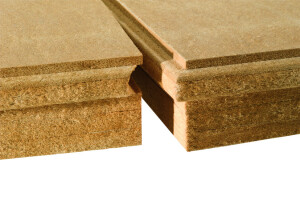
- The envelope was upgraded with Pavatex wood fibre insulation and SECIL cork insulation boards, both renewable and carbon-sequestering materials.
- Locally manufactured British Western Red Cedar cladding and triple-glazed timber windows further reduce embodied carbon while ensuring long-term durability.
Operational Emissions / Energy
Low Carbon
Operational carbon strategies
- Thermal upgrades to the building envelope significantly improve the home’s energy performance, reducing operational carbon by an estimated 70–80 percent in U-value improvements across the main building elements.
- The airtightness strategy, developed as part of a Passivhaus-informed design process, enhances comfort and energy efficiency while maintaining natural breathability.
- Energy- and water-saving fittings were integrated throughout to ensure that the house performs efficiently over time.
Service and maintenance emissions
The project exemplifies circularity through reuse and repair rather than replacement. By retaining the existing timber frame, re-cladding with locally produced materials, and using finishes such as black linseed paint that can be renewed rather than stripped, the design supports long-term adaptability and low maintenance.
Key products in low carbon design
CO2
PAVATHERM-PLUS
PAVATEX Benelux b.v.
Share or Add Dorset Beach House to your Collections