Sustainability Report
Embodied carbon
The use of a recyclable aluminum facade, recycled polyethylene slope surface, green roof with sequestration, and optimized material integration and other embodied carbon design strategies are:
-
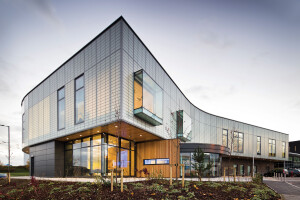
Recyclable Façade Materials: The 3.3m x 1.2m extruded aluminum façade bricks are 100% recyclable and may contain high post-consumer content, significantly reducing embodied emissions over steel or precast concrete.
-
Neveplast NP30 Ski Surface: Made from recyclable polyethylene with a verified EPD, its GWP is significantly lower than typical slope infrastructure (no refrigeration, water use, or snowmaking).
-
Structural Steel: Though inherently carbon-intensive, steel used for framing has a long lifecycle and is fully recyclable, with available generic EPDs.
-
Roof Park / Landscaping: The green roof system with 10,000 m² of vegetation provides biogenic carbon sequestration, reducing net material emissions.
-
Material Optimization: The architecture integrates power plant infrastructure and terrain features (ventilation shafts, slopes, walls) into a single envelope, minimizing unnecessary cladding and structural duplication.
Operational Emissions / Energy
The operational emissions/energy design strategies are:
-
Waste-to-Energy (WTE) Technology: The plant processes 440,000 tons of waste annually, producing electricity and district heating for 150,000 homes, displacing fossil fuels and avoiding methane emissions from landfills.
-
Cleanest WTE Plant in the World: Emissions are significantly below EU limits, with carbon filtration, ammonia scrubbing, and real-time emissions monitoring.
-
No Cooling / Snow Production Systems: The ski slope uses zero artificial snow and no cooling energy, relying solely on the synthetic surface.
-
Natural Daylighting: The aluminum brick façade incorporates strategic glazing to illuminate administrative areas and reduce lighting loads.
Service and maintenance emissions
The service and maintenance emission design strategies are:
-
Low-Maintenance Materials: Aluminum, polyethylene slope tiles, and engineered climbing wall materials require minimal cleaning or replacement over decades.
-
Self-Draining, Modular Slope System: Neveplast tiles are easy to clean, modular, and replaceable without heavy equipment or material waste.
-
Durability Focus: The overall envelope and exposed elements are designed for extreme weather and continuous public use, reducing frequency of maintenance interventions.
-
Aluminum cladding: 40+ year life, corrosion-resistant, minimal upkeep
-
Polyethylene ski tiles: durable, modular, low-friction, minimal cleaning
-
Green roof vegetation: rain-fed, requires seasonal light upkeep but aids in cooling and runoff
-
Climbing wall & park systems: built to withstand harsh outdoor use
All systems are engineered for public exposure and low intervention — meaning fewer lifecycle emissions from repairs, replacements, or servicing.
Afterlife
The following points address the considerations for adaptive reuse in the project's design:
Multi-Use Program Integration
The power plant integrates energy production, administrative offices, and recreational/public spaces (including a ski slope, hiking trail, and educational center) within a unified building footprint. This programmatic hybridization facilitates long-term adaptability to evolving civic or energy requirements.
Interior Visibility and Tours
Public accessibility and visibility into the operational interior promote educational opportunities. The transparent and accessible design transforms an industrial utility into an engaging public space, allowing for potential future repurposing of the building (e.g., complete conversion to a public facility).
The circular economy considerations behind this project are:
Rooftop Park Designed for Disassembly
The synthetic ski slope surface (Neveplast NP30) and modular vegetation beds utilize dry-installed, non-permanent systems, enabling disassembly and relocation in response to changing climate conditions, recreational needs, or building programs.
Recyclable and Reused Materials
Primary construction materials, including steel, aluminum, and polyethylene, are fully recyclable and were selected for their durability and reusability, thereby supporting circular economy principles through extended lifecycles and facilitating post-use material recovery.
Key products in low carbon design