



What began as a small, weathered cabin, gradually transformed into a self-sufficient, design focused sanctuary for a client seeking an escape from the intensity of urban life and a demanding career.
Nestled on a rocky knoll overlooking the vast expanse of Jervis Inlet, the Off-Grid Coastal Retreat is a serene residential haven that embodies the perfect blend of natural beauty and modern comfort. Perched in a secluded location, this off-grid retreat was meticulously designed to provide a tranquil escape from the intensity of urban life and provide a deep connection to its coastal landscape.


The original weathered cabin, reached only by a secluded logging road, has been carefully renovated and paired with a new addition, creating a self-sufficient hideaway. While still preserving the modest character of the original structure, the design elevates comfort, functionality, and craft, providing dedicated kitchen, dining, living, and bedroom spaces.
A series of outdoor spaces extend the experience outward: a firepit, pizza oven, dining terrace, and a generous deck with an outdoor kitchen oriented toward the inlet. Nearby, a geodesic dome shelters a greenhouse thriving with tropical plants, creating a lush counterbalance to the rugged coastal surroundings. Additional elements, including small sleeping cabins, a utility building, dock, and boat ramp, support a resort-like yet low-impact lifestyle.


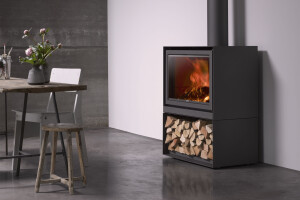
Designed to operate fully off-grid, the retreat is powered by a solar energy system, heated by a wood-burning fireplace, and supported by well water and a septic system. The result is a place where the comforts of home blend seamlessly with the rhythms of nature.
A hand-carved totem pole stands opposite the entry, grounding the site in the client’s cultural heritage and anchoring the arrival experience. Inside, a dark, natural palette and finely detailed interiors create a calm, de-stimulating atmosphere suited to rest, reflection, and connection.
This project embodies Woven’s commitment to thoughtful, place-responsive design, crafting spaces that invite presence, slow living, and a meaningful relationship with the land.


