

Krume Bäcker was established in Panama City by Austrian baker Natalie Salzmann, whose family bakery in the Ötztal valley in Tyrol, Austria, informs the craft and authenticity of its sourdough breads. Drawing on this heritage, Panama City–based architectural studio Mallol has created a space that translates values of quality and simplicity into a design which embraces contemporary expectations, while grounding itself in the Panamanian context.


Materiality and craft
At the heart of the interior is a compacted earth bar and walls, realised in collaboration with Panama City–based practice Aparato A using a mixture of earth, clay, lime, and straw. Aparato A’s expertise in this traditional technique ensured both high craftsmanship and cultural resonance. The earthy tones and textures evoke a sense of harmony with the environment, echoing the bakery’s philosophy of simplicity and naturalness.
Complementing these elements, bespoke furniture was crafted by The Alma Studio, a local workshop, using reclaimed wood salvaged from the Bayano River in eastern Panama. Carefully extracted and repurposed, this timber reflects ecological responsibility while enriching the bakery’s interior atmosphere with warmth and character. Each piece, from tables to chairs, carries a story of renewal, blending traditional practices with contemporary design sensibilities.
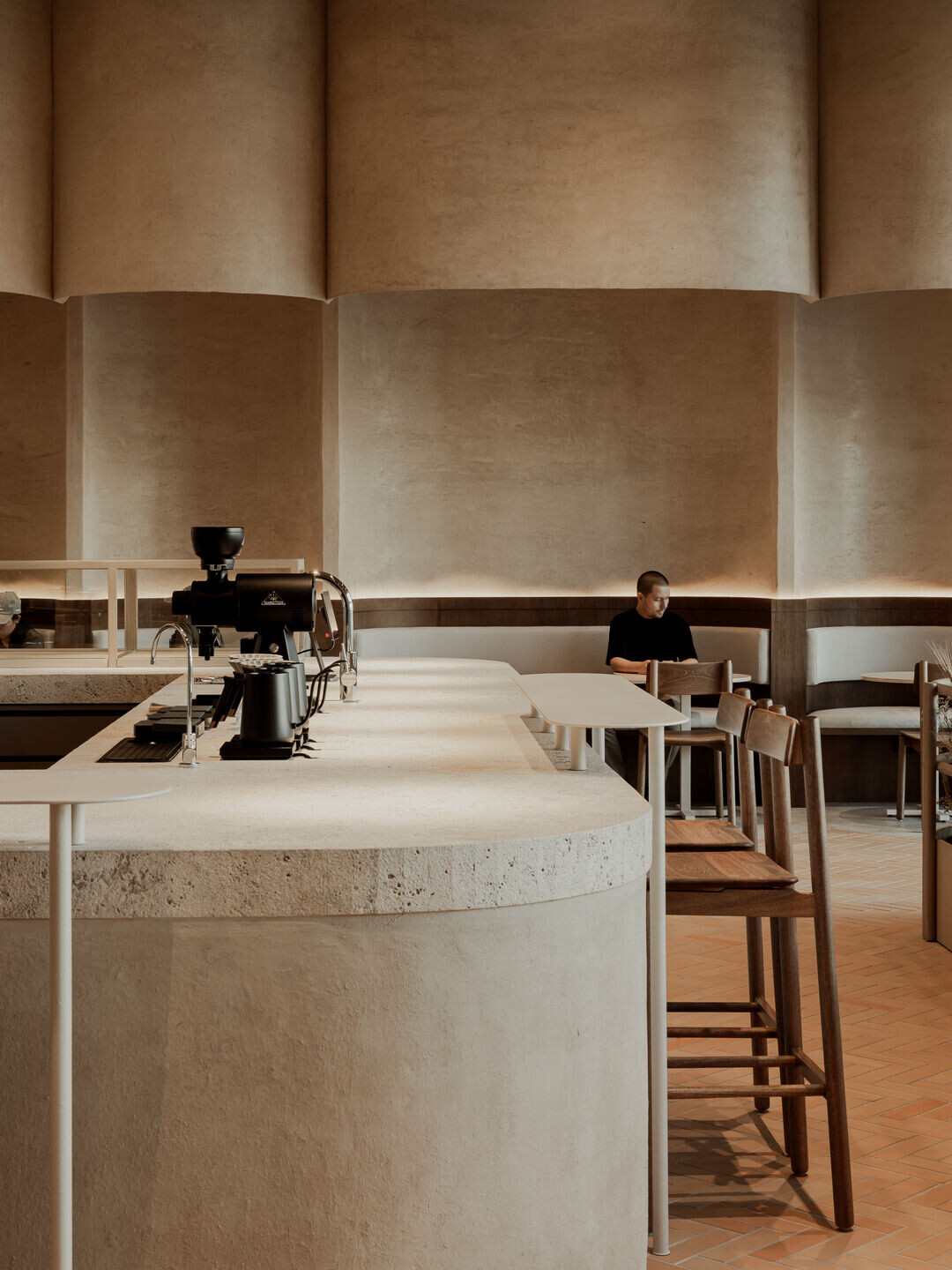

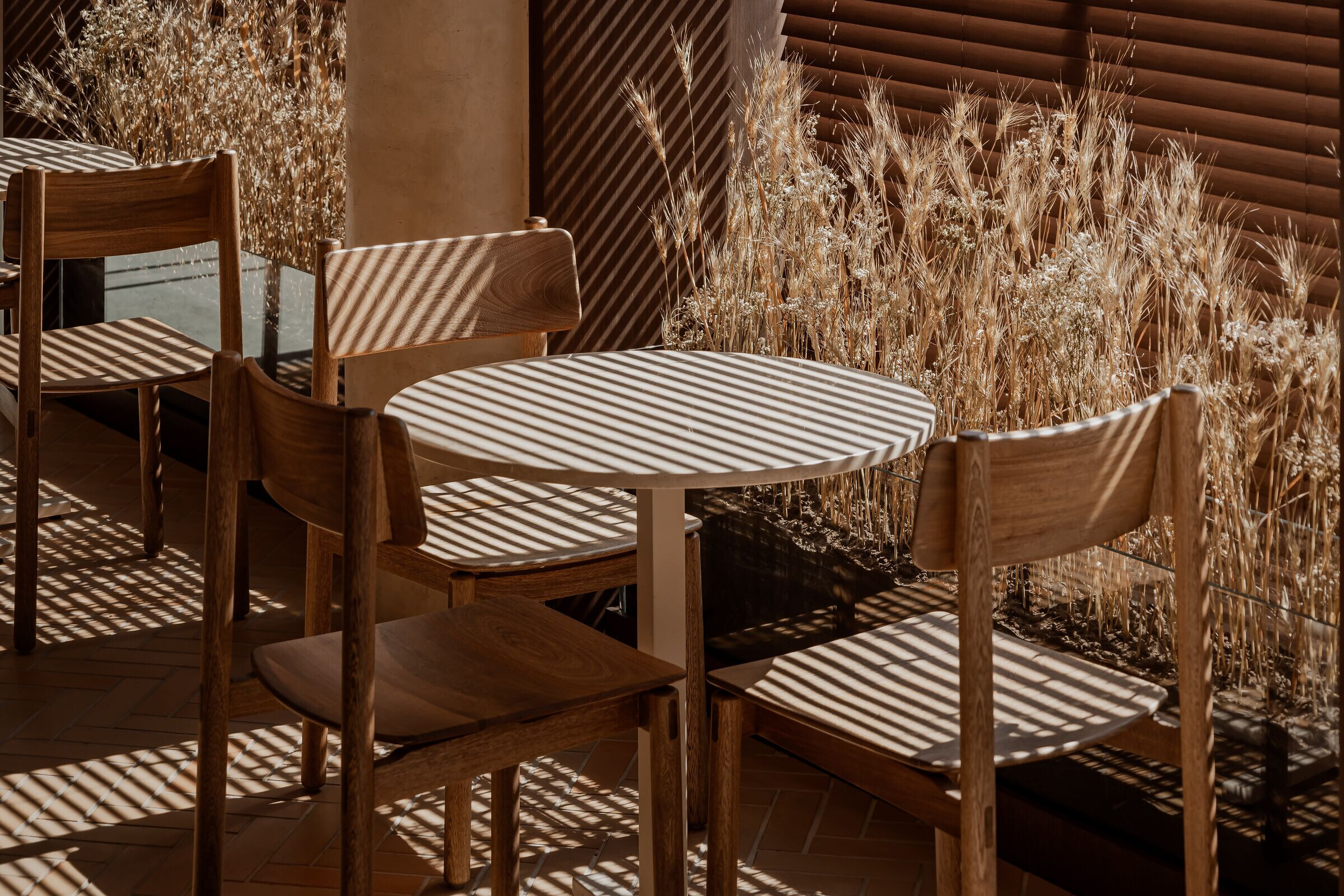
Mallol emphasises that sustainability was considered from the very beginning rather than pursued as a certification exercise, noting: “Rather than treating certification as an endpoint, we approached sustainability as an integral part of the design narrative, embedding strategies that reduce energy intensity, enhance indoor environmental quality, and prioritise responsible material sourcing.”
Community and atmosphere
The spatial layout is flexible, accommodating quick visits as well as longer stays. Clear pathways support easy circulation, while seating is arranged to serve both individuals and groups. This community-oriented approach counters the isolation often associated with urban life. Lighting has been designed to highlight the bakery’s defining element — its bread — reinforcing identity while shaping an inviting atmosphere.
The project extends beyond function to address broader social and environmental goals. By fostering interaction and belonging, Krume Bäcker becomes a community hub in an increasingly urbanised setting. Locally sourced materials and handcrafted processes have helped reduce the carbon footprint, while ensuring durability and low maintenance.

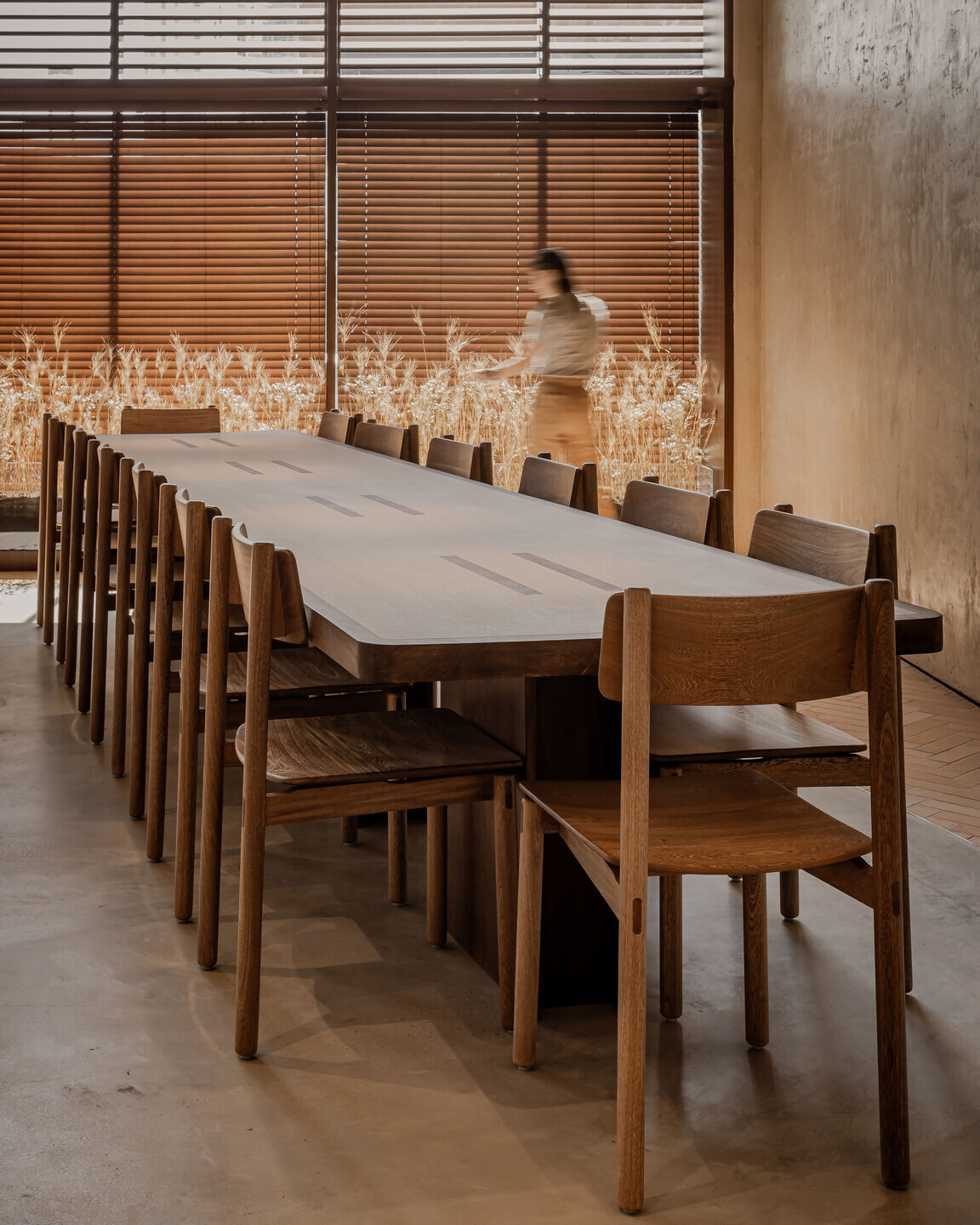
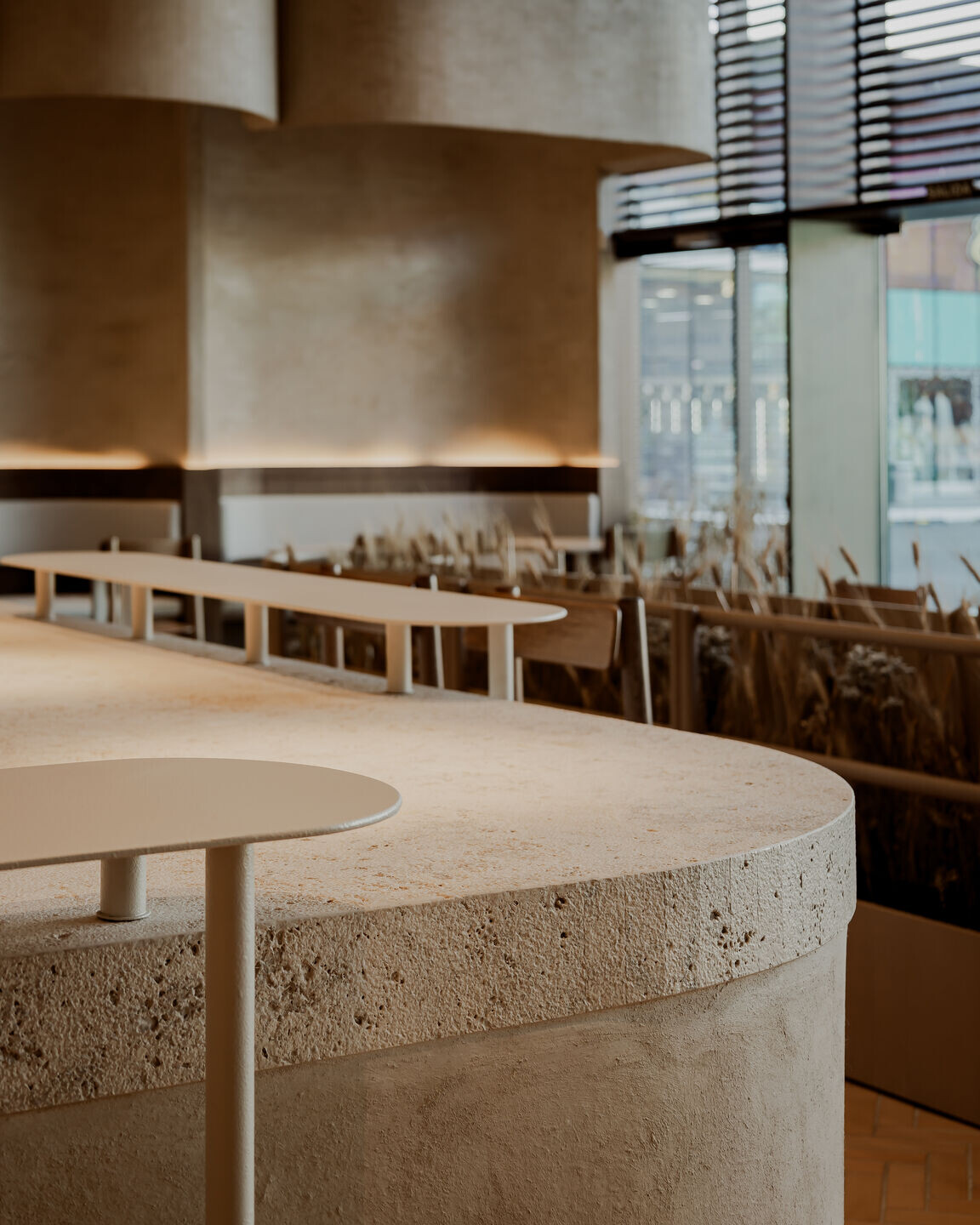
“Taken together, these strategies position Krume Bäcker not as a conventional retail interior, but as an architectural experiment in low-carbon living where environmental responsibility, material authenticity, and cultural resonance converge,” says Mallol.
A cohesive whole
From the earthy textures of the walls to the refined lines of the furniture, every detail contributes to a cohesive whole. Neutral shades subtly reference the baking process, creating a calm and welcoming environment. Krume Bäcker shows how design can honour heritage while engaging meaningfully with contemporary urban life.
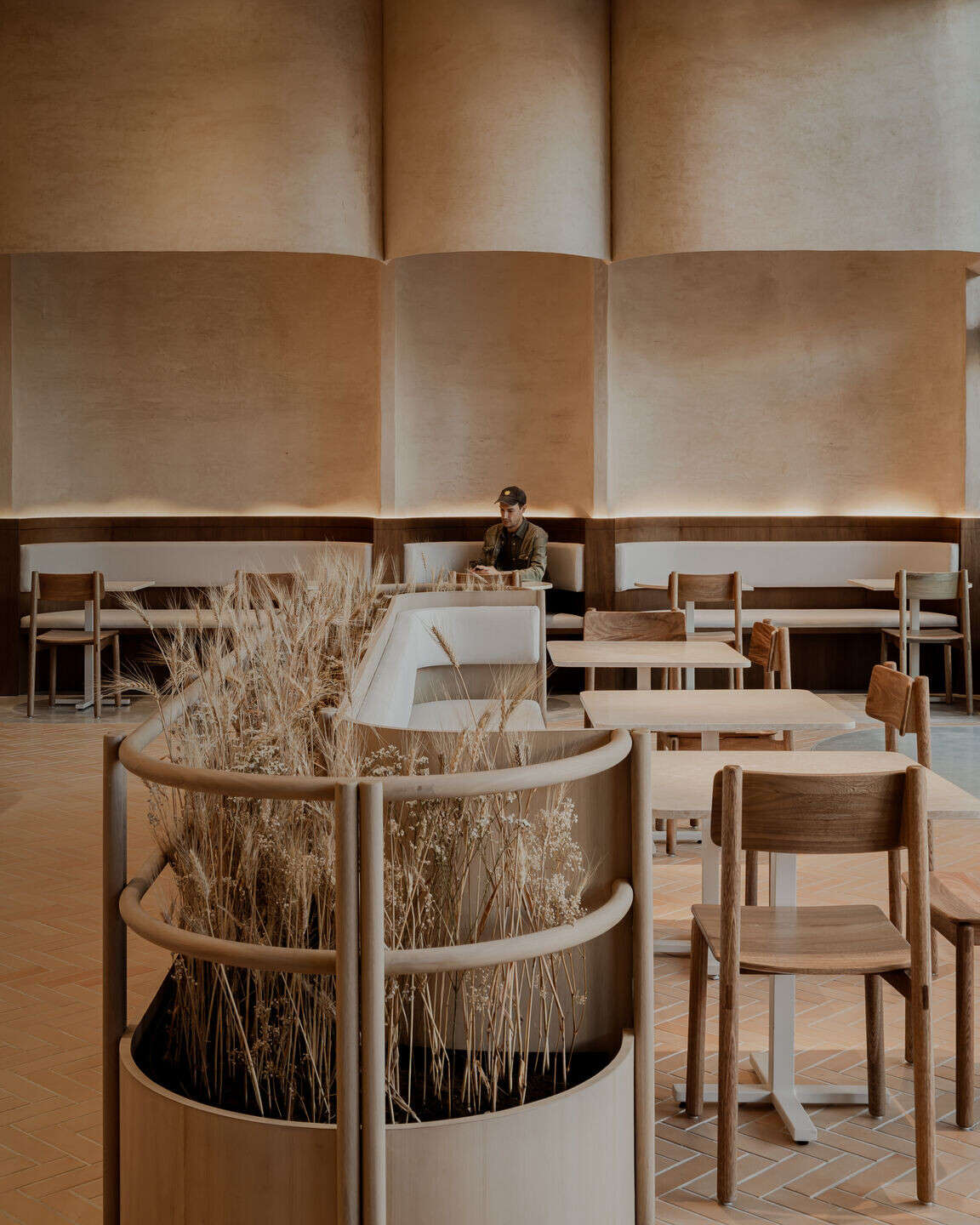

Reclaimed wood furniture by The Alma Studio
Compacted earth construction by Aparato A


![Erweiterung B[R]G Perchtoldsdorf](https://archello.com/thumbs/images/2025/09/26/plov-architekten-zt-gmbh-erweiterung-b-r-g-perchtoldsdorf-secondary-schools-archello.1758893827.6042.jpg?fit=crop&w=400&h=267 "Erweiterung B[R]G Perchtoldsdorf")