


In Mount Vernon, a small city of 36,000 located along Interstate 5 between Seattle and Vancouver, HKP Architects has redefined the concept of a public library. The Mount Vernon Library Commons (MVLC) functions as a civic heart, combining a traditional library with community spaces and the nation’s largest electric vehicle (EV) charging station. Achieving Passive House certification—one of the first publicly bid projects in the U.S. to do so—the MVLC proves that bold, sustainable design shouldn’t be reserved for major metropolitan areas alone.
“Mount Vernon has a rich agricultural heritage, and farmers know the importance of preserving the land so you can grow in the future,” explains Isaac Huffman, Library Director. “In much the same way, energy and carbon reduction represent an investment in the present day that allows us to grow easier in the future with lower costs, a better internal environment and more uses for the structure of a lifetime.”

Flexible, community-oriented infrastructure
The project began in 2014 when the City of Mount Vernon recognized the need for a larger, more modern library and so launched a comprehensive Needs Assessment and Feasibility Study. Following extensive community input, HKP Architects was selected to bring the vision to life in 2019. The library is the first new construction in Mount Vernon in over 20 years and is the largest in the city's history.
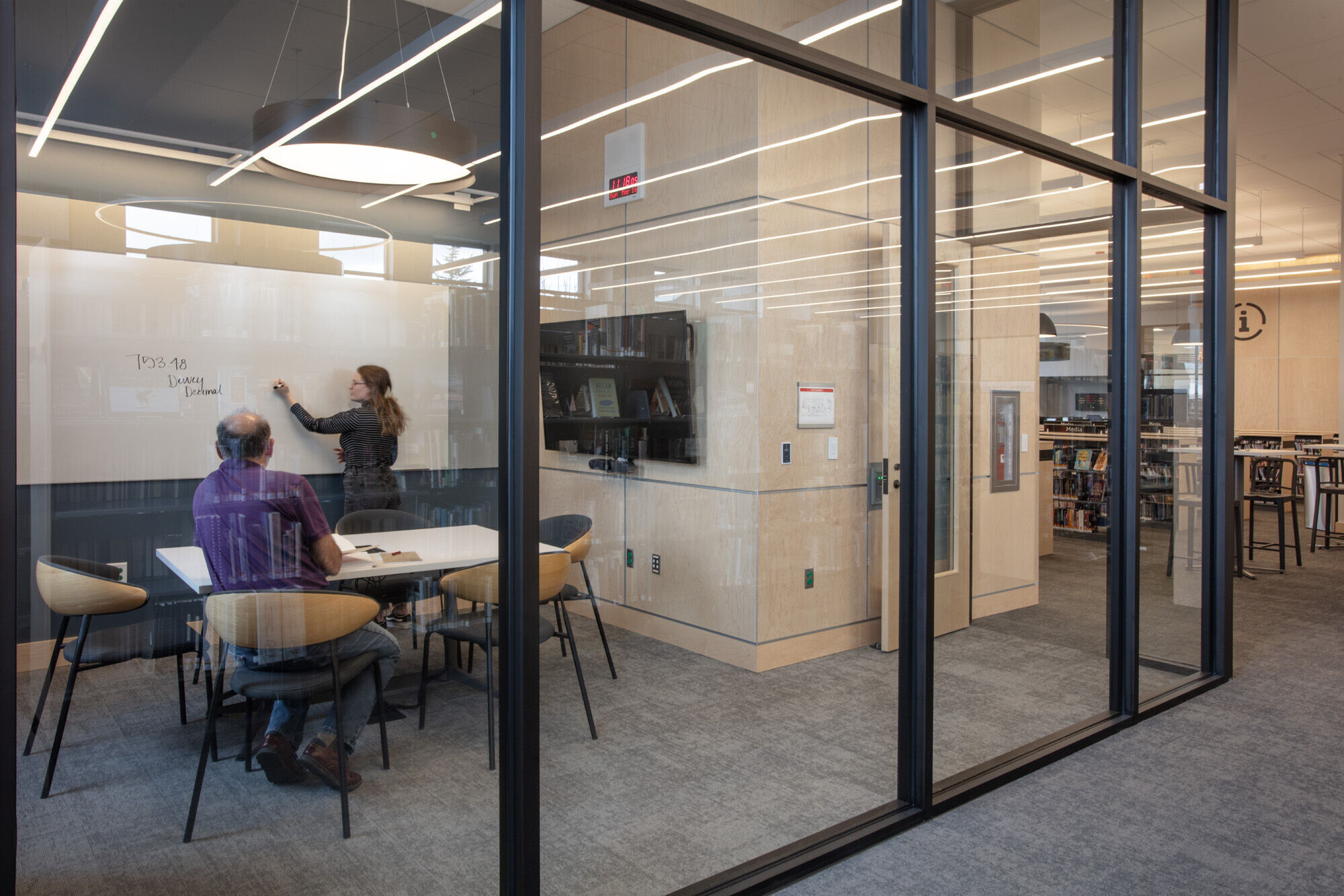
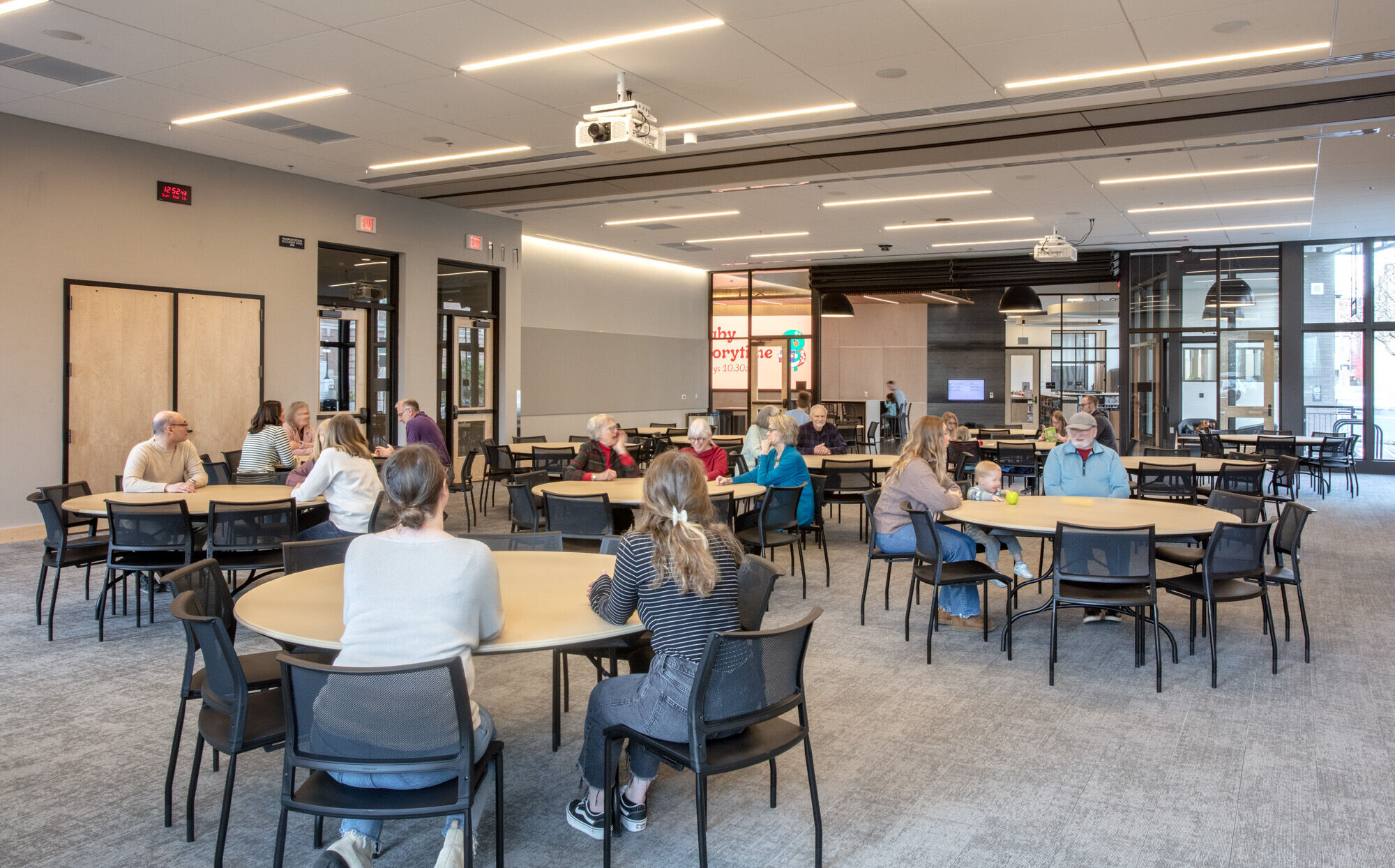
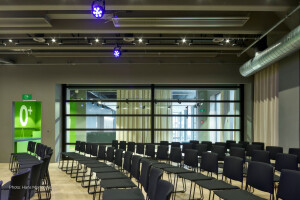
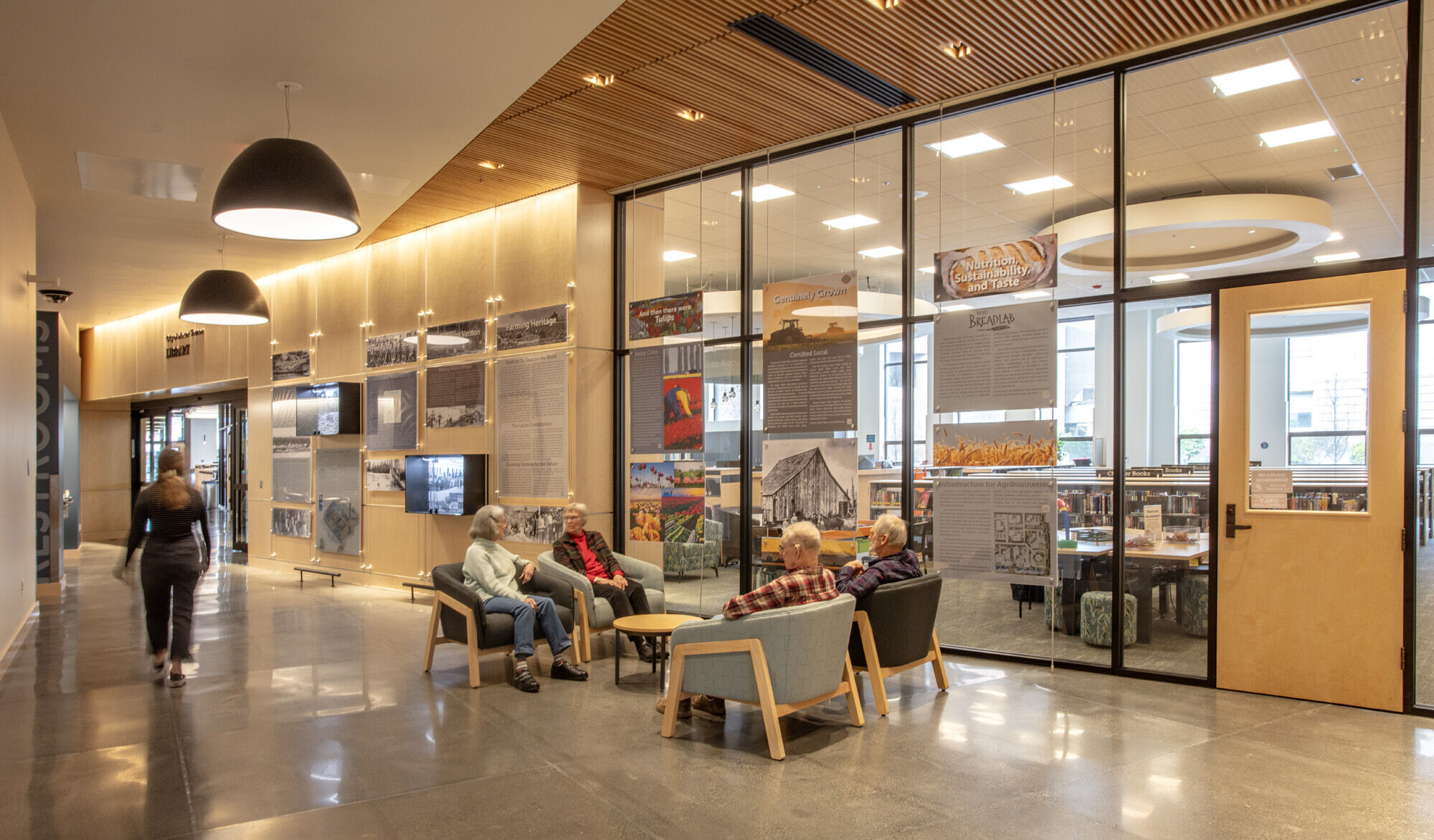
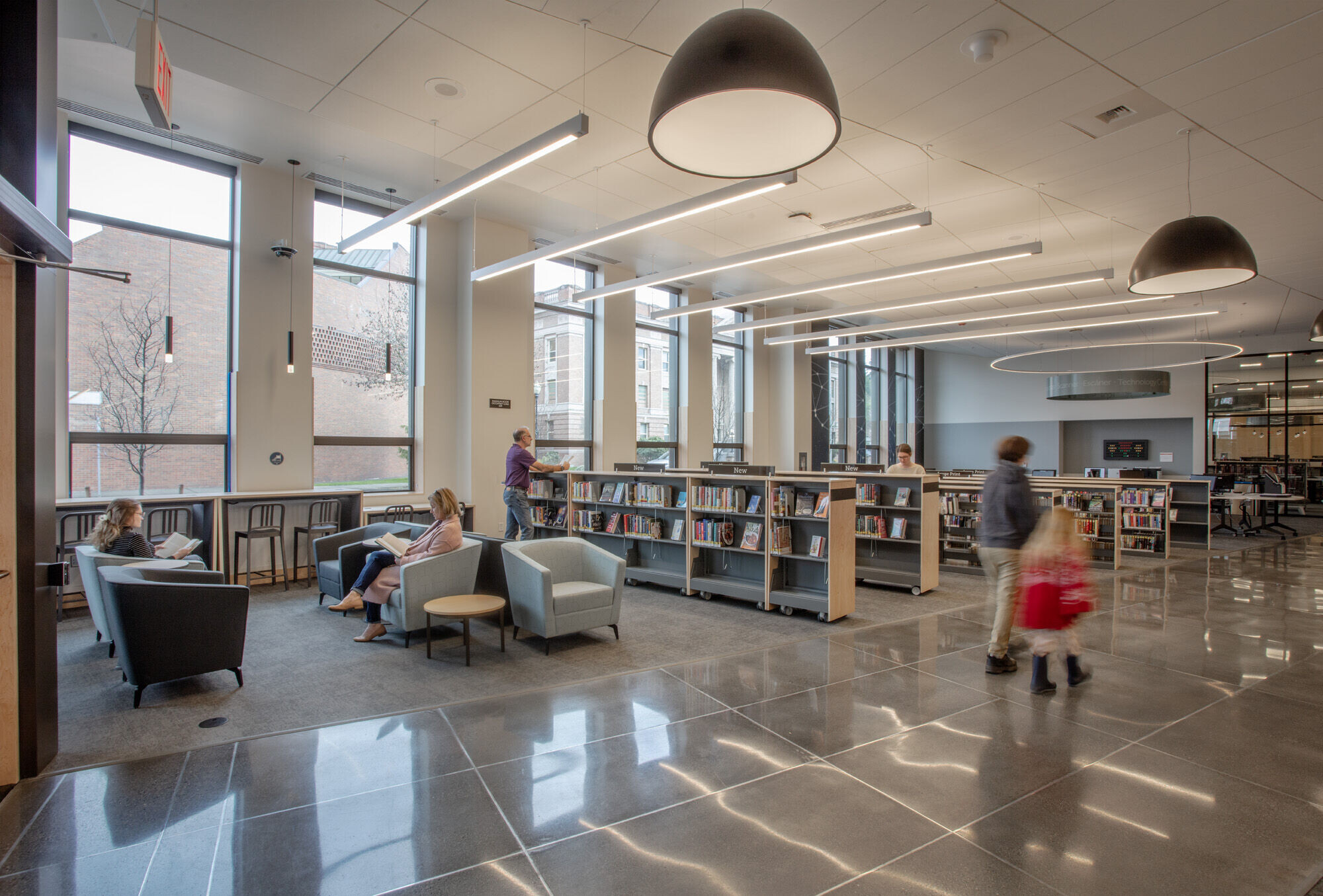
The 130,000-square-foot facility offers a 20,000-square-foot library alongside a 10,000-square-foot community center equipped with a commercial kitchen. The library includes thoughtfully designed spaces for all ages, with dedicated areas for children, teens, and young adults, as well as a teen STEM center. These flexible meeting and event spaces make it an invaluable resource for this rural community.
“We seek projects that focus on community, connecting people and lifting them up," says Julie Blazek, Partner at HKP Architects. “This project couldn’t align more with our values—providing opportunities for learning, connection, and sustainability.”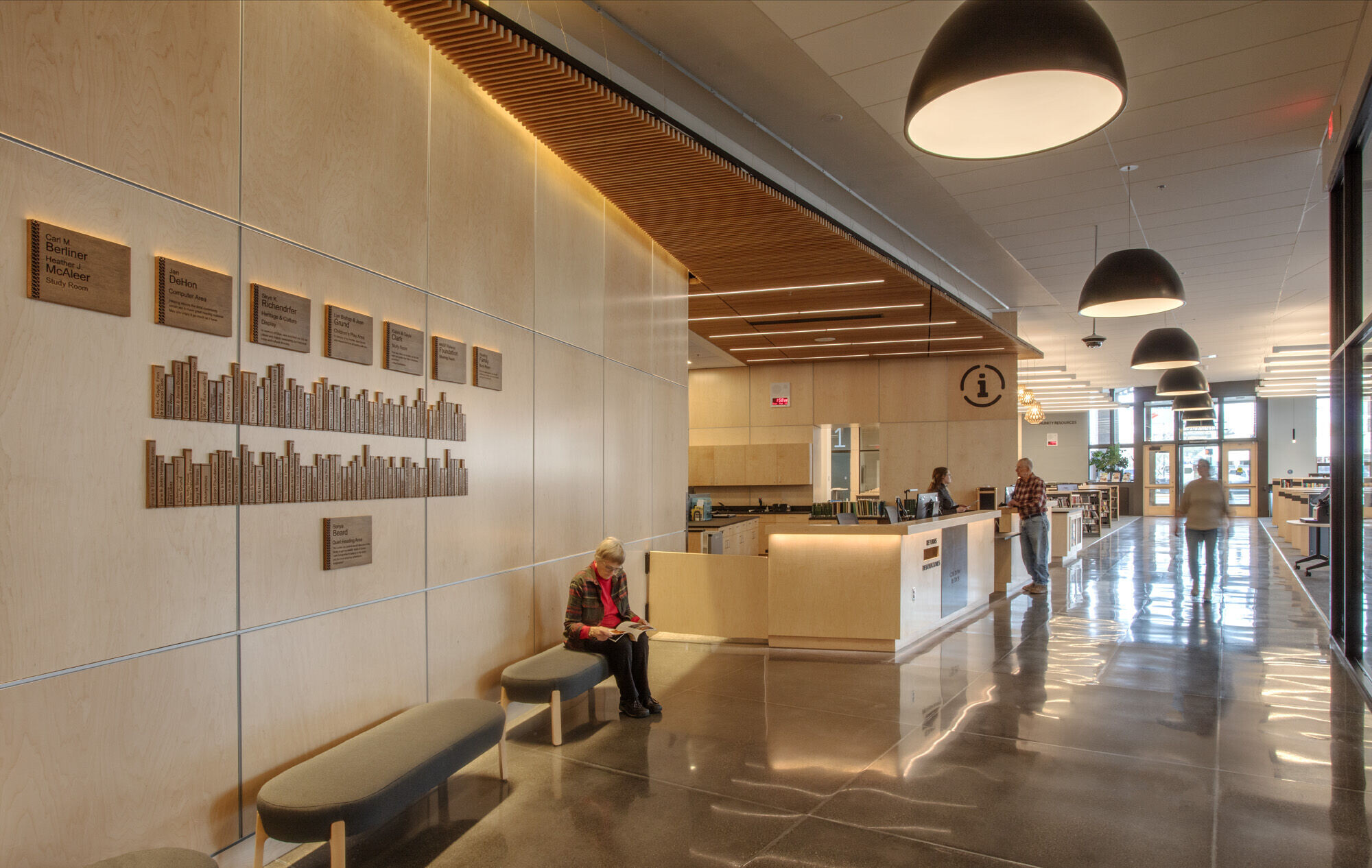


Completed by the nation's largest EV charging hub
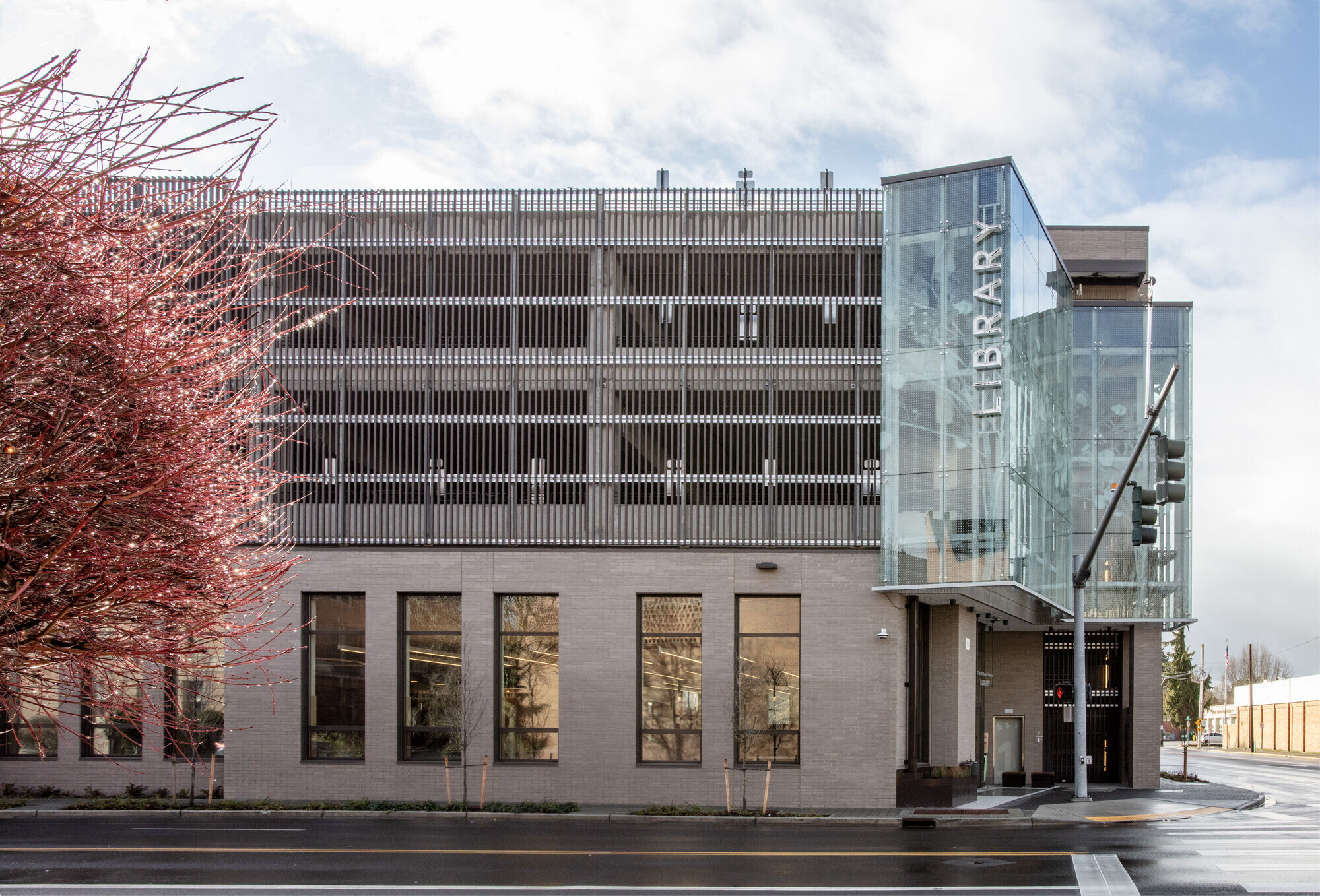
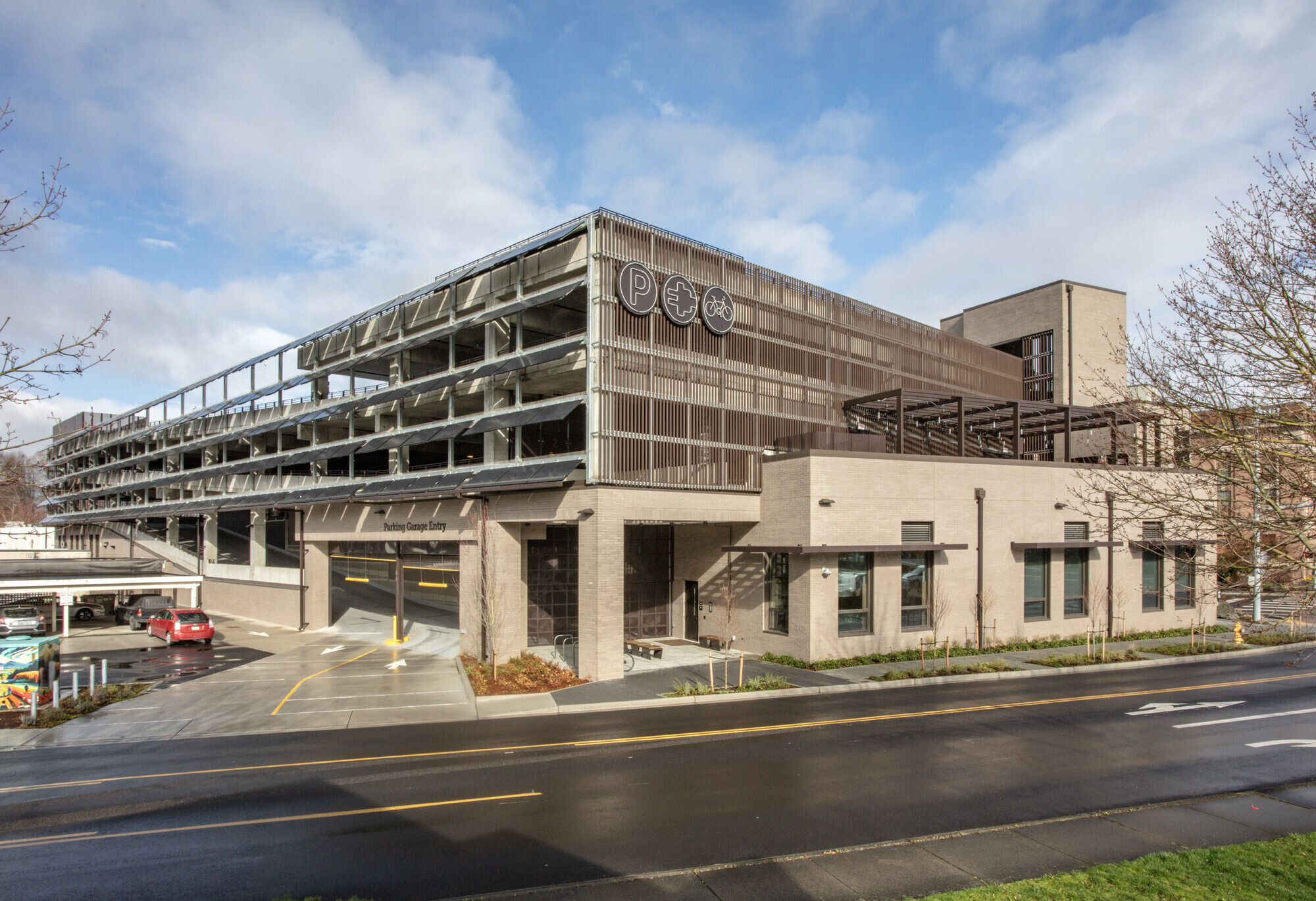
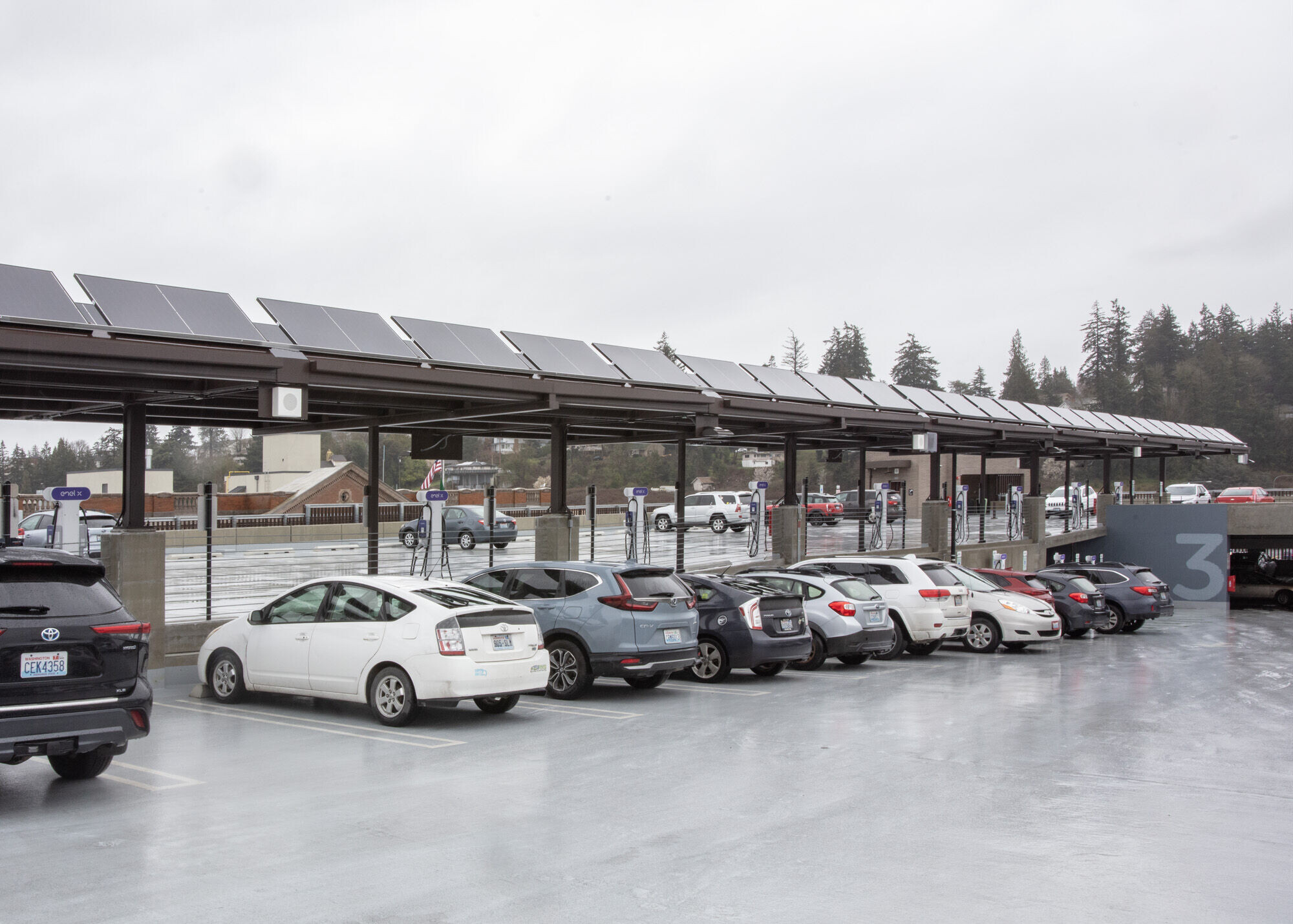
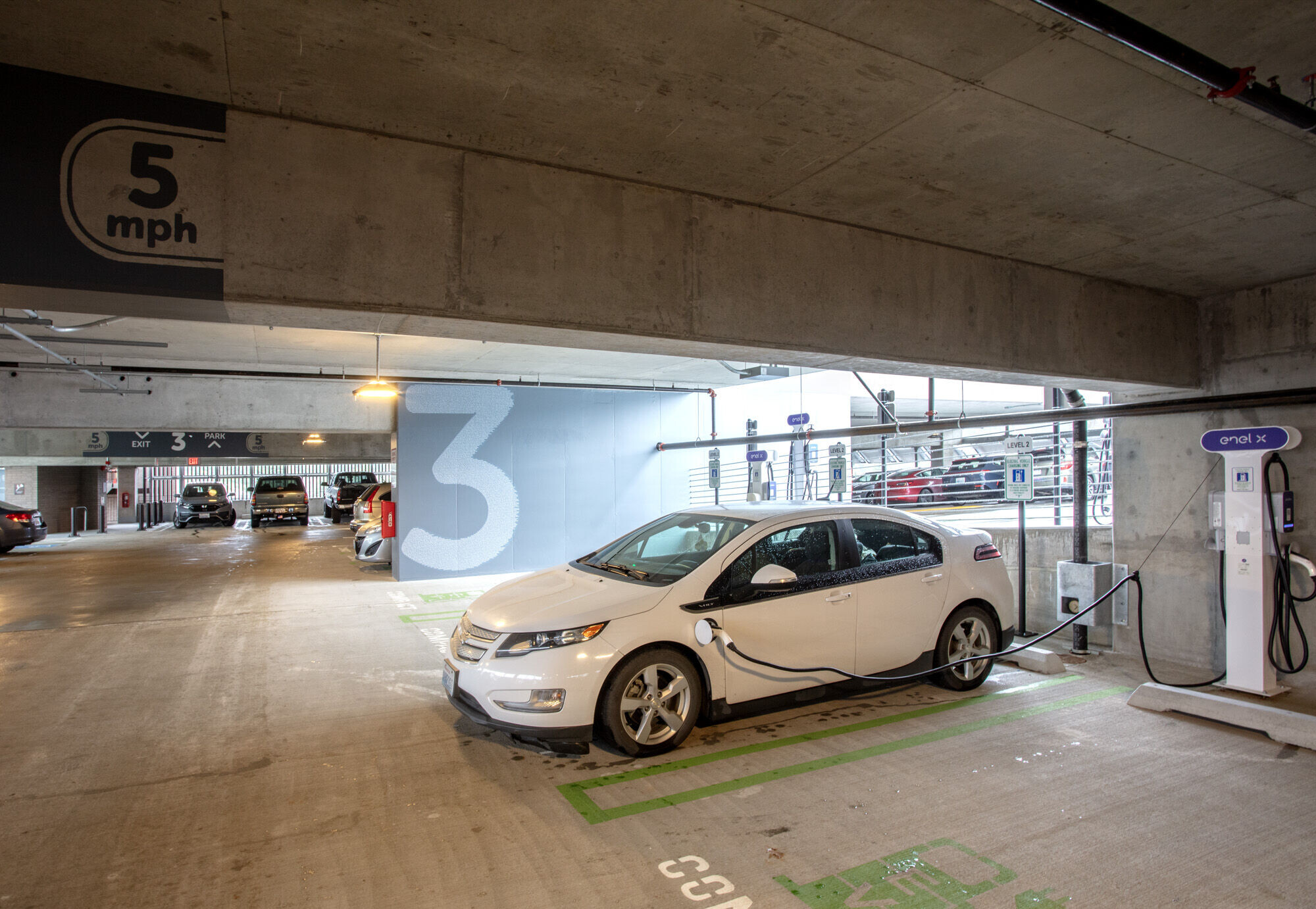
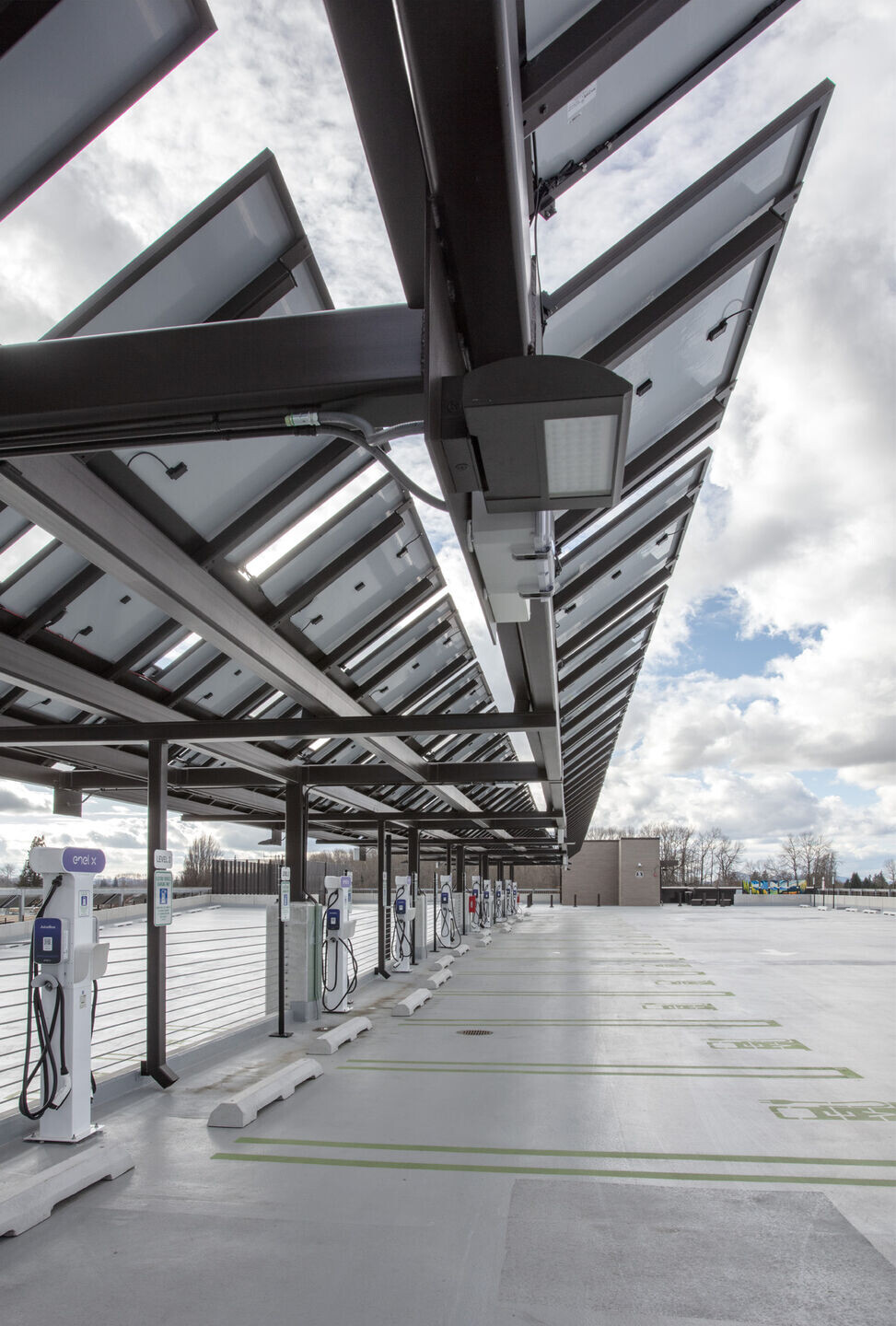
Three levels of structured parking are situated above the library, its placement was designed to avoid distrupting the historic character of the surrounding pedestrian area. The parking garage includes nine electric bicycle lockers and 76 EV chargers, with infrastructure in place for 200 more, making it the largest public EV charging facility in the country.
“Since the parking garage is open 24/7, we kept it naturally ventilated,” says Blazek. “The two stairwells and elevator towers are outside the Passive House envelope, which means no energy is wasted to condition the space. It also keeps users functionally separate from the library when it’s closed.”
Situated just off I-5 and within walking distance of the Skagit Transit Station, the MVLC will serve as a regional hub for clean transportation, promoting EV use and reducing greenhouse gas emissions.

Ambitious environmental goals, from construction to completion
Environmental considerations were at the heart of this project. By rethinking the building’s most carbon intensive material—concrete, which makes up over half of the structure—they were able to reduce its Global Warming Potential (GWP) by roughly 40%. Across all materials and systems, the project achieves an estimated 45% reduction in overall GWP compared to traditional construction.
Operational performance of the community space is equally ambitious. The building is all-electric and is designed to operate at an Energy Use Intensity (EUI) of just 12, approximately a quarter of the Washing State Energy Code requirement. A full life-cycle assessment, including a “hot spot” analysis, guided design and construction decisions to minimize carbon impact at every stage. The building’s Passive House certification ensures it consumes far less energy than traditional structures, with features like triple-pane windows, airtight construction, and high-efficiency air-to-water heat pumps.
Sustainability extends beyond the building itself. A 129.5 kW solar array provides renewable energy—supplying 21% of the building’s power, stormwater is filtered through engineered wetland systems that clean and slow runoff before it leaves the site, and landscaping incorporates native, resilient plantings.

A new model for carbon-conscious public architecture
Situated at the heart of Mount Vernon, the MVLC connects the community to resources and one another while making sustainable travel easy with EV charging. At 75% more energy-efficient than typical structures of its size and kind, the design also serves as a model for sustainable public buildings and reflects Mount Vernon’s long-term commitment to energy conservation and reduction of carbon emissions. “This project shows that with knowledge and will, it is possible to push the envelope on sustainability and build innovatively, regardless of location,” says Jill Boudreau, Mayor Emerita of Mount Vernon.